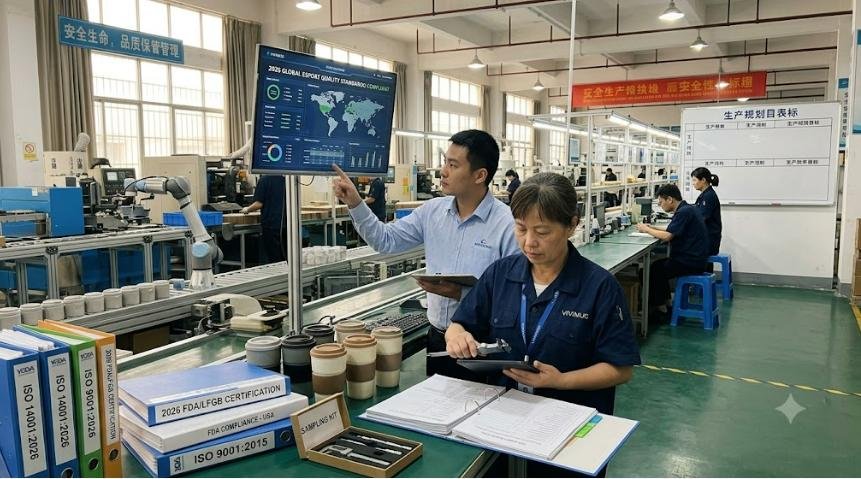
I've been running Vivimug for 8 years, and I still remember my first overseas client. He picked us because we had the lowest quote. Three months later, he called angry about missing FDA documentation for his U.S. retailers. We hadn't discussed compliance at all during initial conversations.
Choose manufacturers by matching your business needs (order size, compliance requirements, customization) to their systematic capabilities, not by comparing quotes alone. The right factory handles clients like you regularly, maintains transparent quality processes, and clearly states what they cannot do.
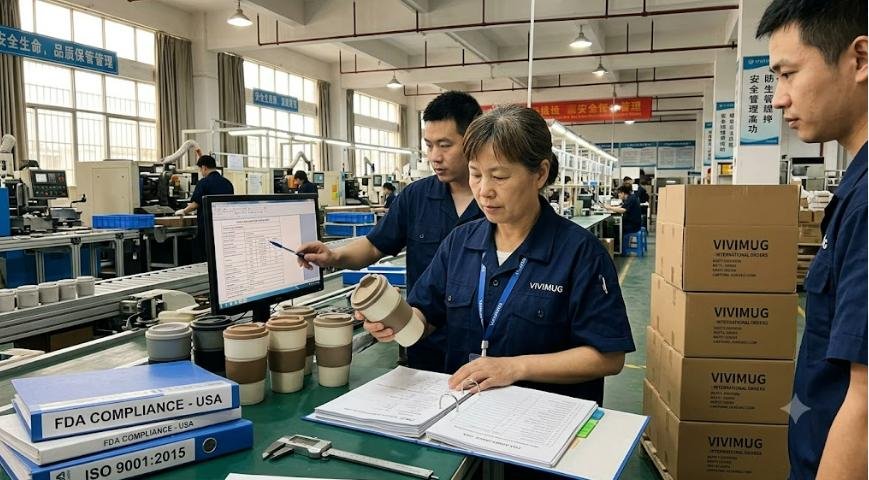
That painful lesson taught me something important. Most buyers optimize for the wrong things when selecting suppliers.
How to Find Reliable Manufacturers in China?
You're probably searching on Alibaba or attending trade shows. You see hundreds of suppliers claiming they can make exactly what you need. How do you separate real manufacturers from middlemen?
Ask yourself first: "Does this factory regularly serve buyers like me?" An Amazon FBA seller needs 500-unit flexibility. A wholesaler needs audit-ready LFGB certificates. A corporate gift buyer needs 7-day sampling. One factory rarely excels at all three.
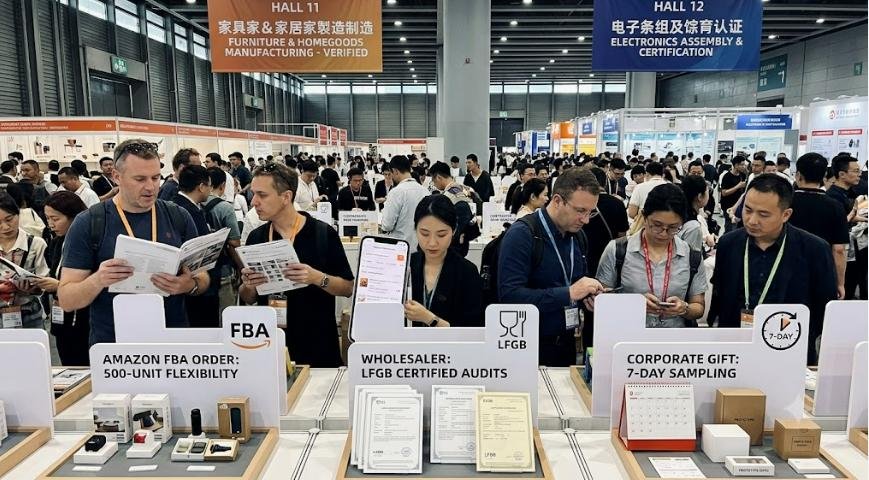
I decline about 30% of inquiries we receive. Not because we're picky, but because I know we'd fail them. When a buyer needs 50,000 units monthly with zero defect tolerance, I'm honest: "We're better at flexible 1,000-5,000 unit runs with custom printing. You need a larger facility."
Here's what actually reveals capability:
| Verification Method | What It Reveals | What Dishonest Suppliers Do |
|---|---|---|
| Factory video tour request | Physical production equipment exists | Send generic factory footage or refuse video calls |
| "Walk me through your last failed audit" | Problem-solving process and transparency | Only mention certifications, dodge failure questions |
| "Show production schedule for next month" | Real capacity and planning systems | Provide vague answers or claim unlimited capacity |
| "Who are three current clients like me?" | Relevant experience with your buyer type | Name big brands without proof or avoid specifics |
At Vivimug, we keep a problem log. Every quality issue, every delayed shipment, every communication gap gets documented with what we changed. When buyers ask about our quality control, I show them this log. Factories hiding problems won't improve.
Where to Find Direct Suppliers in China?
You want to skip middlemen and work directly with manufacturers. That makes sense for margins and communication. But here's the tricky part: many companies listed as "manufacturers" on platforms are actually trading companies.
Three supplier types create predictable problems: trading companies posing as manufacturers lose quality control between you and the real factory. Subcontractors can't manage consistency across multiple production sites. Inexperienced factories accept orders beyond their capability and collapse under pressure.
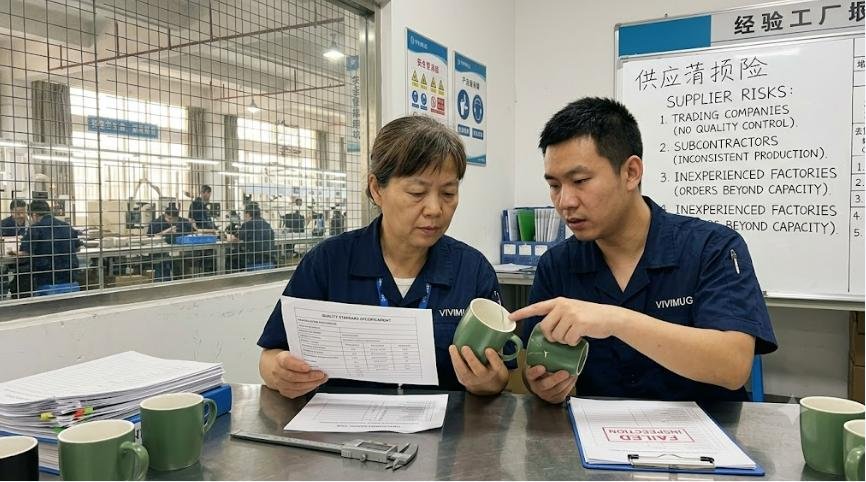
I once visited a "factory" that turned out to be an office with sample rooms. No production floor. They were coordinating three different workshops for bottles, lids, and packaging. When defects appeared, nobody owned the problem.
Here's how to find actual manufacturers:
Request unannounced factory video calls. Real manufacturers can show you production lines running right now. Trading companies will hesitate or schedule "tours" days later to arrange borrowed facilities.
Check business licenses. In China, manufacturing licenses differ from trading licenses. Ask for their business license number and verify the scope includes manufacturing, not just sales.
Test their technical knowledge. Ask specific questions about production: "What's your injection molding cycle time for 500ml bottles?" or "How do you control Pantone color matching across batches?" Manufacturers answer with process details. Traders give vague responses.
At Vivimug, we own our injection molding machines and printing equipment. When buyers visit, they see workers operating equipment, not just finished samples in showrooms. That's the difference.
How to Get in Touch with a Manufacturer in China?
You've identified potential suppliers. Now you need to start conversations that reveal truth, not rehearsed sales pitches. Most buyers send the same basic RFQ to dozens of factories and compare prices. That approach attracts the wrong suppliers.
Frame initial contact around your specific situation, not generic product specs. Share your order volume, compliance market, and timing. Ask manufacturers if they're a good fit before requesting quotes. This filters out desperate factories who'll promise anything and capability-mismatched suppliers.
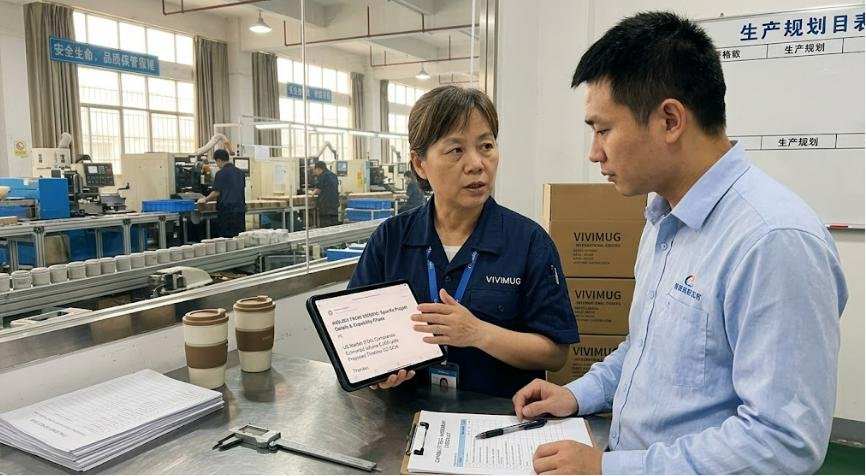
I receive about 50 inquiries monthly. The ones that lead to successful partnerships start with context: "We're a U.S. retailer doing 2,000 units quarterly, need FDA-compliant bottles, considering two suppliers including you." That tells me their scale, requirements, and decision stage.
Here's what to communicate in first contact:
Your buyer type and market. "Amazon FBA seller shipping to U.S." tells me you need smaller MOQs and freight coordination. "European wholesaler" signals you need compliance documentation and consistent quality.
Actual order volume expectations. Don't inflate numbers. If you need 500 units to test, say that. Factories structured for 10,000-unit runs will either decline or give you poor pricing. That's fine—you need the right match, not any manufacturer.
Your deal-breakers upfront. Need LFGB certification? Lead-free guarantee? Specific packaging? State these immediately. At Vivimug, we appreciate when buyers list non-negotiables early. It saves everyone time if we can't meet them.
Timeline and decision process. "Sampling in May, decision by June, first order August" helps manufacturers plan capacity and shows you're serious.
The manufacturers who respond with questions instead of instant quotes are usually more reliable. They're trying to understand fit, not just chase any order.
Conclusion
Choosing a reliable drinkware manufacturer requires matching your business needs to their demonstrated capabilities, verifying physical production capacity, and starting conversations focused on fit rather than price. The right supplier clearly states what they can and cannot handle for clients like you.