You worry about what's in your water bottle. Plastic chemicals are a known risk, but other materials seem impractical. You just want a safe, durable bottle for everyday hydration.
18/8 stainless steel is the healthiest choice because it is naturally non-toxic, inert, and incredibly durable. It doesn't need a liner, won't leach chemicals like plastic, and resists bacteria, ensuring your water stays pure and safe with every sip.
In my years managing production lines, I’ve seen a massive shift. People no longer see a water bottle as just a container. It’s a personal health statement. I've had countless conversations with clients like Emily, a product developer who is laser-focused on safety and quality. She knows her customers are educated and demand the best. This global shift toward health and sustainability is why I've built my business around a material that I trust completely. Let's explore why that material is 18/8 stainless steel.
BPA-Free and Beyond: Comparing Plastic, Glass, and Metal Safety?
"BPA-free" sounds reassuring, but what does it really mean? Glass seems pure but impractical. You feel stuck trying to balance safety with real-world use for your custom bottle line.
Glass offers the highest purity but breaks easily. "BPA-free" plastics can still release other harmful chemicals, especially when heated. 18/8 stainless steel provides the non-reactive safety of glass with unmatched durability, making it the most reliable and healthy choice.
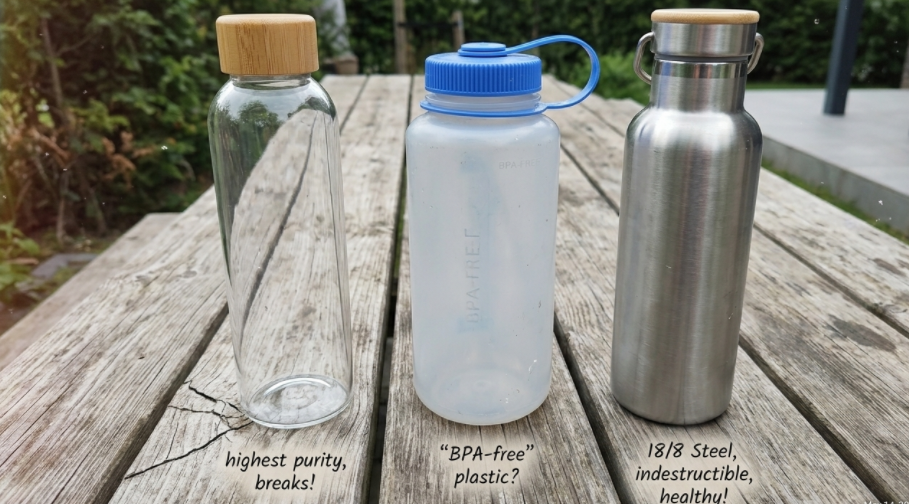
I always tell my clients to look beyond the marketing labels. The "plastic trap" is real. We all know about BPA, but now there are concerns about its replacements, like BPS. Why take that risk with your brand? Glass, while wonderfully inert, fails the "real life" test. It's heavy to ship, shatters with a single drop, and leads to customer complaints. It’s just not practical for an active lifestyle. This is where 18/8 stainless steel comes in as the clear winner. It solves the problems that plastic and glass create.
A Clear Comparison of Your Options
Let's break down the choices in a simple table. This is the same logic I use when advising partners on their product development strategy.
| Material | Health & Safety | Durability & Practicality | My Professional Take |
|---|---|---|---|
| Plastic | Risk of leaching chemicals (BPA, BPS, phthalates). | Scratches easily, can harbor bacteria, absorbs odors. | A risky choice for a health-conscious brand. The liabilities are high. |
| Glass | Excellent. Totally inert and pure. | Very fragile, heavy, not suitable for all lifestyles. | Great for home use, but a logistical nightmare for a portable product. |
| 18/8 Steel | Excellent. Non-reactive, non-toxic, no liner needed. | Extremely durable, lightweight, resists corrosion. | The perfect balance of safety and real-world performance. It builds trust. |
Choosing 18/8 stainless steel is about offering a permanent, healthy solution that protects both your customers and your brand's reputation.
Why Do Cheap Bottles Leak Chemicals and What Must Bulk Buyers Know?
You found a supplier offering bottles at a very low price. The cost savings are tempting for a large order, but you're worried about hidden quality issues that could ruin your brand.
Cheap bottles often use low-grade or recycled steel with impurities and may be sealed with lead-based solder. These cost-cutting measures create a risk of leaching heavy metals and other chemicals, failing safety tests and endangering your customers.
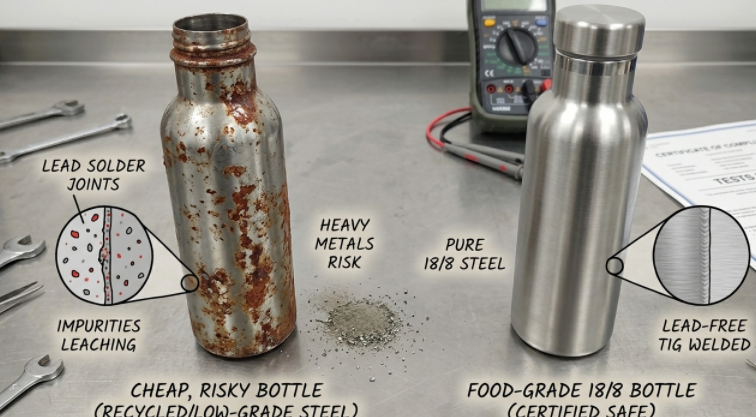
As a bulk buyer, you must understand where those "savings" come from. I have seen factories substitute materials to win a contract on price. They might use a cheaper 201 grade of stainless steel instead of the 304 (18/8) grade specified. Grade 201 steel has less nickel and more manganese, making it prone to rust over time, which can contaminate the water. This is a common corner-cutting tactic that an inexperienced buyer would never notice until customer complaints roll in.
The Hidden Dangers in Low-Cost Production
The most dangerous shortcut is in the sealing process for vacuum-insulated bottles. The small dot you see at the bottom of a bottle seals the vacuum gap. To save money, some factories use a solder pellet that contains lead. This creates a significant health hazard. If that seal is ever damaged or exposed, lead can come into contact with surfaces, and potentially the user. This is an immediate recipe for a product recall and a brand-destroying lawsuit. When you source bottles, you are not just buying a product; you are buying the process and the materials behind it. A low price often means high risk.
How Does Vivimug Ensure Food-Grade Quality in Every Shipment?
You're placing a large order from overseas and can't be there to inspect it. You're worried a bad batch could slip through, costing you money and damaging your reputation. You need total trust.
Vivimug guarantees quality with a strict, multi-stage process. We verify all raw material certificates, use X-ray testing (XRF) to confirm the 18/8 steel grade, and conduct third-party lab tests on every shipment to certify it is lead-free and meets FDA standards.
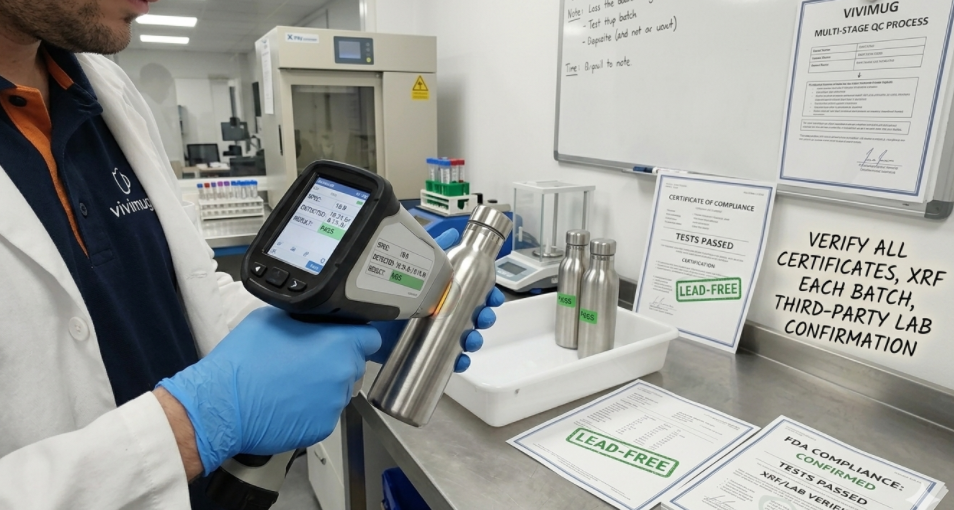
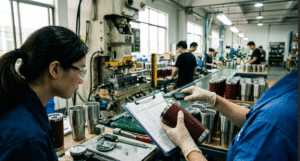
Trust is not given; it's earned with every single shipment. My name is on this business, and my reputation is built on the quality of the products I deliver. That’s why I have implemented a quality control system that leaves no room for error. We don't just take our raw material suppliers at their word. We actively verify that the steel coming into our facility is the 18/8 food-grade material we paid for. This first step prevents major problems down the line.
Our Commitment to Your Brand's Safety
Our quality assurance process is built on three pillars:
- Material Verification: We start by confirming the grade of every steel coil. An XRF analyzer gun gives us an instant chemical breakdown, ensuring it's 18% chromium and 8% nickel.
- In-Process Inspection: During production, our teams inspect for quality at every stage. We focus on clean welds and ensuring that absolutely no lead-based materials are used anywhere in the vacuum insulation process.
- Final Shipment Testing: Before any order leaves our facility, we pull random units and send them to an independent, certified lab. They test for heavy metals and other contaminants to ensure full compliance with strict standards like California Proposition 65.
This rigorous process means that when you receive a shipment from Vivimug, you can be 100% confident it is safe, high-quality, and ready for your customers.
Conclusion
18/8 stainless steel offers the best combination of health, safety, and durability. It eliminates the risks of plastic and the fragility of glass, building long-term trust for your brand.
If you want to ensure the safety of your brand, choose our custom water bottles http://vivimug.com/product/for your next project.