You worry about the mountains of plastic waste polluting our planet. You see single-use bottles everywhere and want to make a better choice, but the options feel overwhelming.
Stainless steel bottles are better because they are incredibly durable, can be reused for a decade or more, and are 100% recyclable. Choosing one steel bottle can prevent thousands of plastic bottles from entering landfills and oceans, making it a powerful environmental choice.
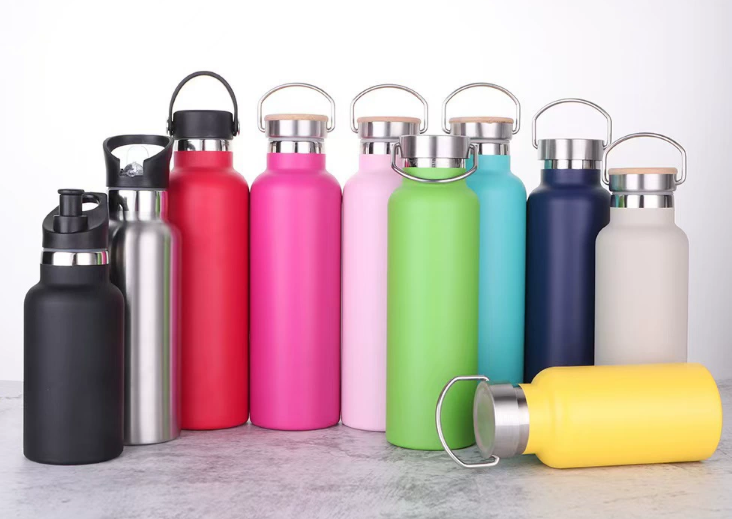
In my custom printing business, the shift has been dramatic. A few years ago, my clients, especially those ordering for big corporate events, wanted the cheapest bulk option, which was usually plastic. Now, everyone wants stainless steel. Designers like Emma are not just creating pretty graphics; they are creating them for products that customers can feel good about using. This isn't just a trend. It's a fundamental change in how we think about the products we use every day, an investment in both personal health and the planet.
Are Stainless Steel Water Bottles Good for the Environment?
You bought a reusable steel bottle to be eco-friendly. But then you hear about the energy needed to make it. You start to doubt if you’ve actually made a positive impact.
Yes, they are exceptionally good for the environment over their full life cycle. While their initial production uses more energy than plastic, their extreme reusability and recyclability make them a far superior long-term choice.
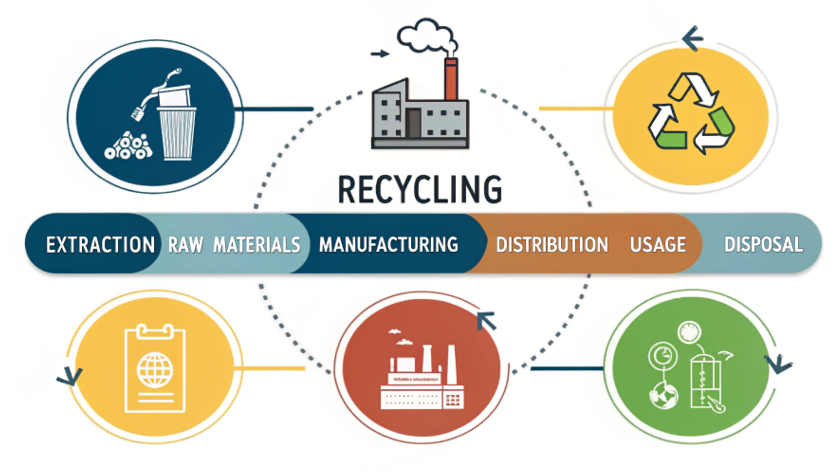
This is a common concern I hear, and it's important to look at the big picture. We need to think about a product's entire life story, not just its beginning. The initial creation of a stainless steel bottle does have a larger carbon footprint than making one single-use plastic bottle. However, the story doesn't end there. You will use that steel bottle thousands of times. Research shows you only need to use your stainless steel bottle between 10 to 20 times to "break even" and offset its initial carbon footprint compared to buying single-use plastic. After that, every single use is a net positive for the planet. A bottle that lasts for ten years can replace over 3,000 plastic bottles. When you consider that, the choice becomes very clear.
Lifecycle Impact: Steel vs. Plastic
| Stage | Stainless Steel Bottle | Single-Use Plastic Bottle |
|---|---|---|
| Production | High energy cost | Low energy cost |
| Lifespan | 10+ years (thousands of uses) | 10 minutes (one use) |
| End of Life | 100% Recyclable | Mostly downcycled or landfilled |
| Overall Impact | Low (after break-even point) | Extremely high (cumulative) |
Why Is Stainless Steel Environmentally Friendly?
You know stainless steel is strong, but what exactly makes it a "green" material? You want to understand the real benefits beyond just using it over and over again.
Stainless steel is eco-friendly because it is incredibly durable, often made with a high percentage of recycled material, and is 100% recyclable at the end of its long life. It doesn't break down or release microplastics.
When I source materials for my products, sustainability is a key factor. Stainless steel excels in three critical areas.
First, its durability is its greatest environmental strength. A material that doesn't break is a material that doesn't need to be replaced. This simple fact means we consume fewer resources over time. One well-made bottle lasts for years, directly preventing the manufacturing, shipping, and disposal of thousands of plastic alternatives.
Second, it is a key player in the circular economy. The steel industry is one of the world's most advanced recyclers. Most new stainless steel products, including the bottles I customize, contain at least 60% recycled scrap steel. Making steel from scrap uses about 75% less energy than making it from raw iron ore.
Finally, it is endlessly recyclable. Unlike plastic, which gets "downcycled" into lower-quality products, steel can be melted down and reformed into high-quality steel again and again, forever. It never loses its fundamental properties. This closed-loop system is the gold standard for sustainability.
What are the Disadvantages of a Stainless Steel Water Bottle?
You love your new steel bottle, but it cost more and feels heavy in your bag. Then you drop it and get a big dent. You start to wonder if it's really worth it.
The main disadvantages are a higher initial cost, a heavier weight compared to plastic, and the potential to be dented or scratched if dropped. Their production also has a higher initial carbon footprint than plastic.

It’s important to be honest about the downsides. Nothing is perfect, and I always advise my clients to consider the full user experience.
The Upfront Investment
The first thing people notice is the price. A good insulated stainless steel bottle can cost twenty times more than a single bottle of water. You have to view it as an investment that pays for itself over time by eliminating the need to buy disposable bottles.
Weight and Portability
There's no getting around it: steel is heavier than plastic. For a backpacker counting every ounce, this can be a real consideration. For daily use in a car or at a desk, it's usually not a problem, but it's something to be aware of.
Dents and Scratches
While steel is strong, it is not indestructible. A hard drop on concrete will likely leave a dent. While this usually just adds character and doesn't affect performance, a severe dent near the base of an insulated bottle can sometimes break the vacuum seal, reducing its ability to keep drinks hot or cold. A protective silicone boot can help prevent this.
Is It Healthy to Drink Water from a Stainless Steel Bottle?
You stopped using plastic bottles because of stories about BPA. You switched to steel as a safer choice, but now you worry if metals can leach into your water too.
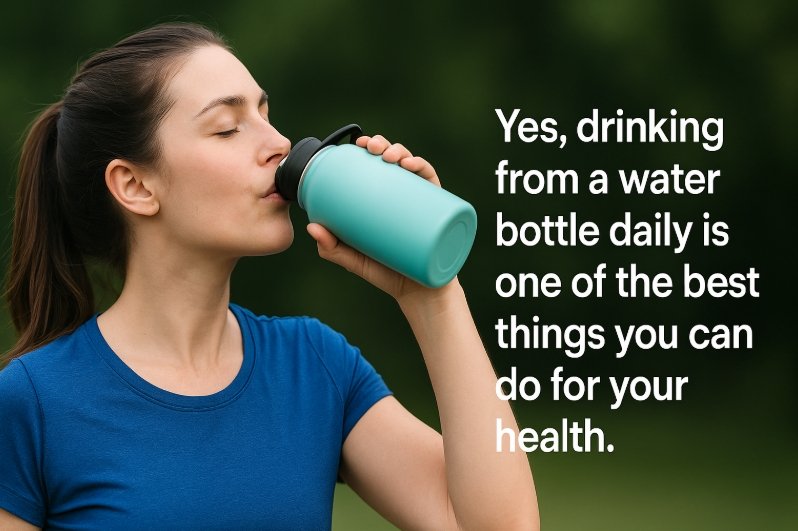
Yes, it is extremely healthy. Food-grade 18/8 stainless steel is a stable and non-reactive material. It's naturally free of BPA and other plasticizers, and will not leach harmful chemicals or metallic tastes into your drink, ensuring your water stays pure.
This is probably the most important question I get, and the answer is reassuring. When we talk about these bottles, we are specifically talking about those made from food-grade 18/8 stainless steel. The numbers "18/8" refer to its composition: 18% chromium and 8% nickel. This specific alloy is what makes the steel highly resistant to rust, corrosion, and oxidation. It creates a stable, passive layer on the surface that prevents the metal from reacting with your water, coffee, or juice. It is the same material used for high-quality cookware and surgical instruments for this very reason—it is safe and inert.
Unlike plastic containers, which can leach chemicals like BPA or phthalates, especially when heated or old, stainless steel offers complete peace of mind. There are no synthetic chemicals involved. Furthermore, the non-porous surface of stainless steel is very hygienic. It resists a buildup of bacteria, mold, and odors, unlike plastic bottles that can develop a permanent funky smell over time. As long as you give it a simple wash with soap and water regularly, it remains one of the cleanest and healthiest ways to stay hydrated.
Conclusion
Choosing a stainless steel bottle is a smart, powerful decision. It protects your health from plastic-related chemicals and significantly reduces waste, making it a simple yet impactful investment in a healthier planet.