You’re surrounded by options for water bottles online. The choices are overwhelming, you worry about plastic safety, and you're not sure which material is truly right for your health and lifestyle.
The healthiest materials are glass and food-grade stainless steel, as they are inert and don't leach chemicals. Tritan is a safe, durable, and lightweight plastic alternative. The "best" choice depends on your priorities: purity, durability, insulation, or weight.
In my line of work, the conversation has changed so much. Years ago, customers only cared about the custom design I could print on a tumbler. Now, thanks to the internet, people are smarter and more curious. They ask me about BPA, where the steel is from, and which materials are the most sustainable. I love it. People understand that the bottle they drink from every day has a real impact on their health. This shift means we have to think beyond just a pretty design. We need to guide people to make choices that are safe, functional, and support a healthier life in the long run.
Is Tritan Better Than Stainless Steel for Water Bottles?
You need a durable bottle, but the choice between steel and Tritan is confusing. You don't want to pick a material that doesn't fit your daily needs or feels wrong for your brand.
Neither is better; they serve different purposes. Stainless steel excels at temperature control and has a premium feel. Tritan is superior for its light weight and glass-like clarity, making it perfect for situations where steel would be too heavy or bulky.

When a client asks me this, I always respond with another question: "What problem are you trying to solve?" The answer tells me everything. For a product designer like Emma, this is a crucial distinction. Recommending a heavy, double-wall steel bottle to a marathon runner is a mistake. Suggesting a clear Tritan bottle for a new line of premium hot teas is also wrong. The "better" choice is the one that fits the end-user's life perfectly. Stainless steel is the workhorse for all-day temperature control. It's what you want for your morning coffee or your ice-cold water at the beach. Tritan is the convenient, lightweight companion for the gym, a hike, or for a child's school bag, where carrying extra weight is a pain and the liquid is usually at room temperature. Matching the material to the use case is the first step to creating a successful and loved product.
| Feature | Tritan | Stainless Steel |
|---|---|---|
| Primary Benefit | Lightweight & Shatterproof | Insulation & Durability |
| Weight | Very light | Heavier, especially double-wall |
| Clarity | Crystal clear, like glass | Opaque |
| Insulation | None | Excellent (if double-wall) |
| Use Case | Gym, kids, hiking, general hydration | Coffee, tea, all-day cold drinks, office |
| Durability | Impact-resistant, won't shatter | Very durable, but can dent upon impact |
| Flavor Transfer | Low, but not zero | Virtually none |
What Is the Healthiest Material for a Water Bottle?
You read worrying articles about chemicals leaching from plastics. This makes you question the safety of your own bottle and you want to be certain you're using the healthiest possible option.
Glass is the healthiest and purest material for a water bottle because it is completely inert, meaning nothing can leach into your water. Food-grade 18/8 stainless steel is an extremely close second, offering excellent safety and durability without the risk of breaking.
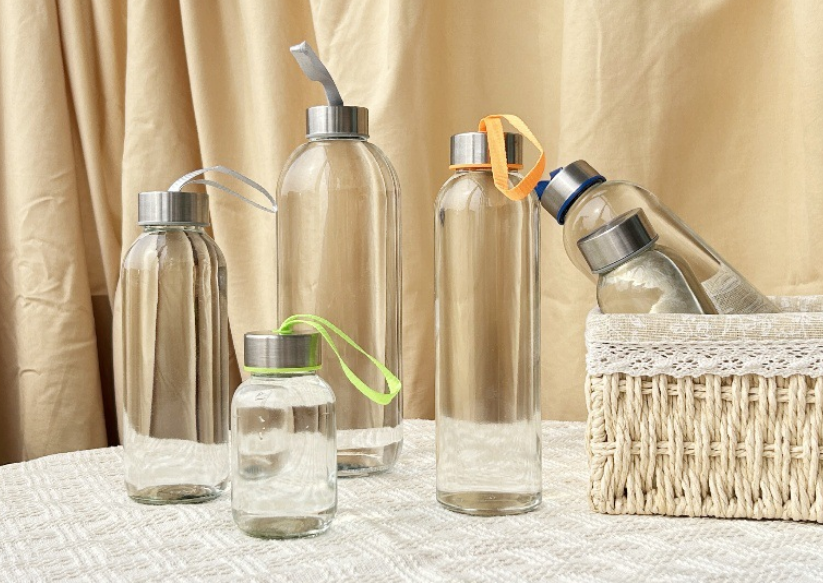
This is a topic I take very seriously, both as a manufacturer and a consumer. My journey started on the factory floor, so I've seen firsthand how materials are handled. It's why I'm so strict about the suppliers I work with now. From a purely chemical perspective, nothing beats glass. It's a simple, stable material that doesn't react with anything. What you put in is what you get out, with no added flavors or chemicals. It's the gold standard. However, glass is heavy and breaks. So, for everyday practical health, I almost always point people to 18/8 stainless steel. The "18/8" means it contains 18% chromium and 8% nickel, a combination that makes it incredibly resistant to rust and corrosion. It won't react to acidic drinks and doesn't have a liner that can scratch or wear away. It’s the perfect balance of safety and real-world toughness. While Tritan is a certified safe plastic, for those who want absolute peace of mind, glass and stainless steel are the top two choices.
Should You Choose a Tritan or a Glass Water Bottle?
You love the clean taste and high-end look of a glass bottle. But you're worried you will drop and break it. Tritan seems like a good, durable alternative, but is it really a fair trade?
Choose glass for purity and taste when you're at home or in the office. Choose Tritan for its glass-like clarity combined with superior durability when you're on the go, active, or sharing with kids. Tritan gives you peace of mind against breakage.

This decision comes down to one word: lifestyle. I have both types of bottles at home. In my office, I have a beautiful glass bottle on my desk. It feels great to use, and water tastes incredibly crisp from it. But would I ever take it hiking or to the gym? Absolutely not. That's where Tritan shines. I've seen a Tritan bottle fall off a counter onto a tile floor and just bounce. A glass bottle would have shattered into a dangerous mess. For designers like Emma creating product lines, this is a critical consideration. A gift set for a new homeowner might feature elegant glass carafes. But a promotional product for a fitness brand or a family-focused company should absolutely use Tritan. It delivers the clear, clean aesthetic of glass without the liability and worry. It's about matching the material's properties to the anticipated environment of the user.
| Aspect | Glass | Tritan |
|---|---|---|
| Purity | 10/10 - Completely inert | 9/10 - Certified safe, but still plastic |
| Durability | 2/10 - Very fragile | 10/10 - Extremely shatter-resistant |
| Weight | Heavy | Lightweight |
| Aesthetics | Premium, high-end feel | Clear and clean, looks like glass |
| Best For | Home, office, stationary use | Active lifestyle, travel, kids, gym |
| Worry Factor | High (risk of breaking) | Low (peace of mind) |
What Are the Disadvantages of Using a Tritan Water Bottle?
Tritan is marketed as the perfect plastic: tough, safe, and clear. You can't help but wonder if there's a catch. Are there any hidden downsides you should know about before committing to it?
The primary disadvantages of Tritan are its complete lack of insulation, so it cannot keep drinks hot or cold. It can also be susceptible to scratching over time with rough use, and some consumers are still wary of using any type of plastic, despite its BPA-free certification.

No material is perfect, and it's important to be honest about the trade-offs. Tritan is fantastic, but it has three clear limitations. First, it offers zero insulation. If you put cold water in it on a hot day, the bottle will sweat and the water will quickly reach room temperature. It's not for your coffee. Second, while it is incredibly shatter-resistant, it's not scratch-proof. If you throw it in a bag with your keys day after day, its beautiful glass-like clarity will eventually get hazy with small scuffs and scratches. This is a key point for a designer, as the product's aesthetic can degrade over time. Finally, there's the perception issue. Even though Tritan is certified safe by major health agencies worldwide, the public conversation about microplastics has made some people avoid all plastics as a rule. As a business owner, you have to be aware of this segment of your market. These disadvantages don't make Tritan a bad material; they just define what it's good for: a simple, safe, and durable container for room-temperature liquids.
Conclusion
The best bottle material fits your lifestyle. Choose glass for purity, stainless steel for insulation and durability, and Tritan for a lightweight, shatterproof option. Know your needs to make a healthy choice.