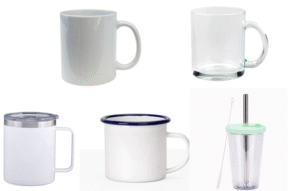
You see that beautiful, opaque white glass in vintage shops and design magazines. It looks like porcelain but feels like glass, and you wonder what it is and why it's so captivating.
Milk glass is a type of opaque glass, primarily white, made by adding agents that scatter light, such as tin dioxide or bone ash, to a molten glass formula. This additive gives it the distinctive milky-white appearance that mimics fine porcelain while retaining the properties of glass.
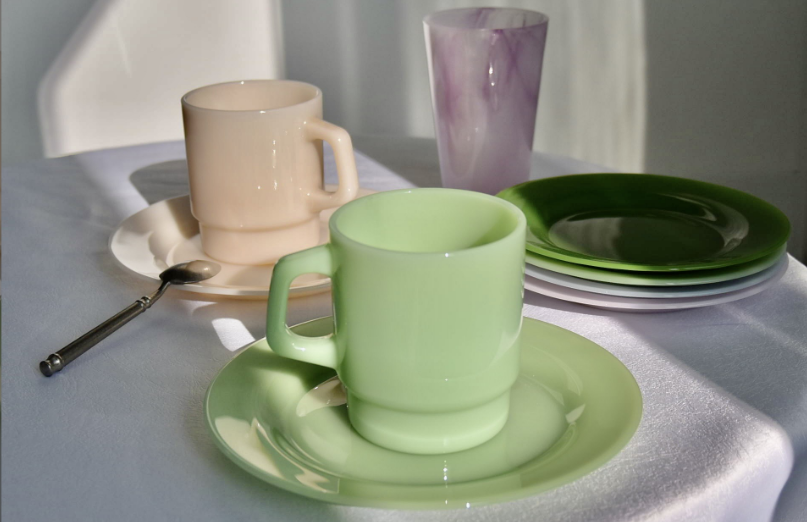
A few years ago, I was at a flea market, searching for inspiration for new textures and finishes for my tumbler business. My eyes landed on this stunning vase. It was pure white, with intricate patterns, but it wasn't ceramic. It had a unique glow. The seller told me it was "milk glass." As someone whose career is built on understanding materials like coated ceramics and stainless steel, I was fascinated. It started a deep dive for me. I wanted to understand how this material, which seemed so delicate, was made and why it had such a lasting appeal. It reminded me that the principles of creating beautiful, durable products are universal, whether it's a modern sublimated mug or a cherished antique.
How Can You Tell If Milk Glass Is Genuinely Vintage?
You've found a lovely piece of milk glass, but you're not sure if it's a treasure from the 1950s or a modern reproduction from a home goods store. Making the wrong call feels disappointing.
To identify vintage milk glass, look for maker's marks from brands like Fenton, Westmoreland, or Anchor Hocking on the bottom. Another key sign is the "ring of fire"—a faint reddish-orange glow that appears when you hold the piece up to a bright light.
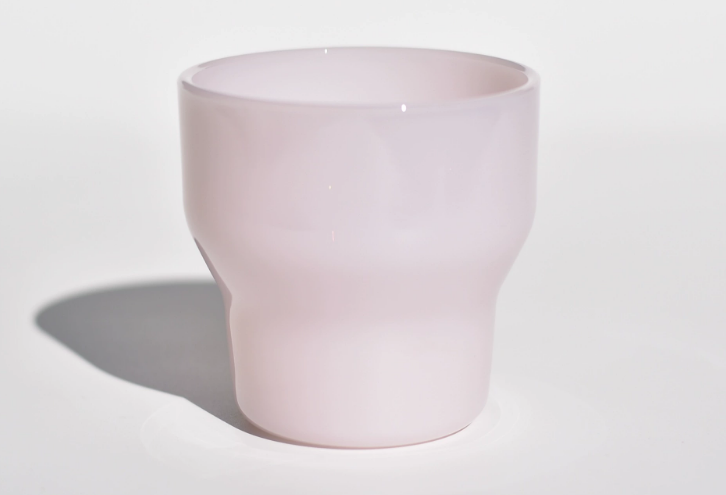
From my factory days, I learned that the small details tell you everything about a product's origin and quality. The same is true for hunting vintage milk glass. The "ring of fire" is one of the coolest tells. It's an iridescent halo you see around the rim, caused by the minerals used in older glass formulas reacting to light. Modern milk glass doesn't typically have this. Another big clue is the design details. As a designer like Emma would appreciate, the patterns tell a story.
| Identification Method | What to Look For | Popular Examples |
|---|---|---|
| Maker's Marks | Look for logos or names stamped on the bottom. Marks can be faint. | 'W' for Westmoreland, 'F' in an oval for Fenton, anchor symbol for Anchor Hocking. |
| Patterns & Seams | Vintage pieces often have famous, intricate patterns. Mold seams can be less smooth. | Look for Westmoreland's "Grape and Vine" or Fenton's "Hobnail" patterns. |
| Texture & Finish | Older pieces can have a smoother, greasier, or more substantial feel than modern ones. | Some older, hand-pressed glass has a distinct, weighty feel and slight imperfections. |
| The "Ring of Fire" | Hold the rim up to a strong light source and check for a reddish-orange iridescent glow. | A classic sign of pre-1960s American-made milk glass. |
Is Milk Glass Worth Anything Anymore?
You have some milk glass pieces from your grandmother, or you enjoy collecting them. But you wonder if they have any real monetary value or if they are just pretty decorative objects.
Yes, milk glass can be valuable, but the price depends entirely on rarity, maker, and condition. A signed, rare piece from Fenton might be worth hundreds of dollars, while a common, unmarked bud vase might sell for only a few.
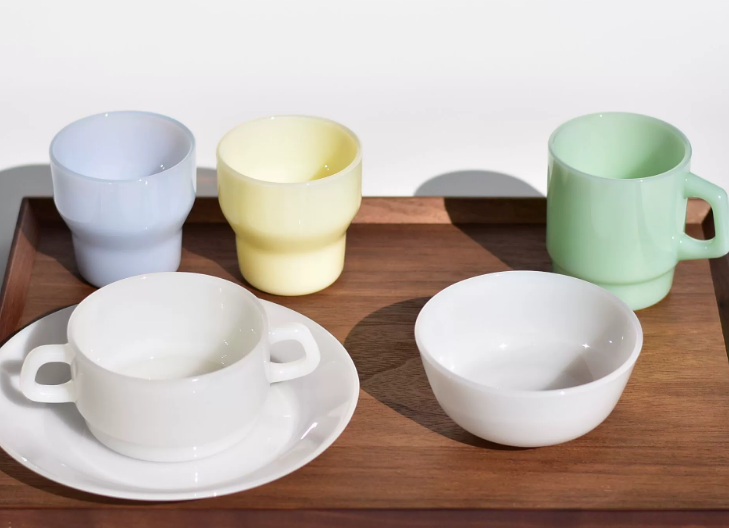
In my business, I know that value is a mix of material cost, artistry, and demand. The market for milk glass is a perfect example of this. It's not the material itself that is inherently expensive; it's the history and scarcity of certain pieces. Mass-produced items, like the millions of bud vases made by Florists' Telegraph Delivery (FTD), are very common. They are beautiful and classic, but not financially valuable. However, a limited-edition piece, especially one that is hand-painted or from a desirable mold, is a different story. For a product designer like Emma, this is a key lesson in branding and perceived value. The logo on the bottom or the uniqueness of the design can be the difference between a $5 item and a $200 collectible. It's a powerful reminder that brand identity and design originality are what create lasting value.
What Makes Milk Glass So Special and Enduring?
You see milk glass featured in modern minimalist homes, rustic farmhouse decor, and everything in between. You wonder why this one material has such timeless style and versatility.
Milk glass is special because it uniquely blends the pure, refined look of porcelain with the durability and light-catching quality of glass. Its neutral white color and variety of textures make it a versatile design element that complements almost any style.
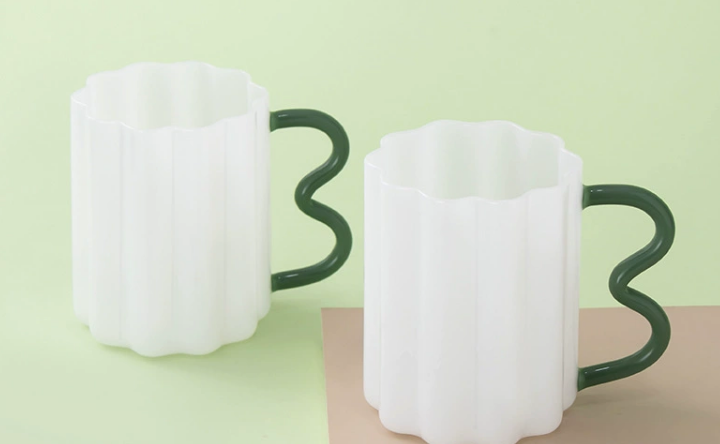
The magic of milk glass is its design flexibility. It acts as a perfect neutral. The crisp white color brightens any space without clashing with other colors. But unlike a plain white ceramic vase, milk glass has a depth and luminosity that a solid surface lacks. Light plays through it in a beautiful way. This is why designers, like Emma, keep coming back to it. It can be a simple, clean accent in a modern room, or its intricate patterns can add a touch of nostalgia to a more traditional space. Historically, it was created as an affordable substitute for high-end European porcelain. It brought that elegant look to the masses. That combination of being both accessible and beautiful is its true secret. It inspires me to think about how we can create products today that have that same mix of great design, good quality, and broad appeal.
Conclusion
Milk glass is a beautiful blend of art and science. Its unique composition creates a timeless, versatile material that continues to capture the hearts of collectors and designers around the world.