You reach for your water bottle to stay hydrated, but a nagging thought pops into your head. Are chemicals from the plastic leaching into your water? The confusion over materials is frustrating.
The safest water bottle materials for daily use are glass and 18/8 food-grade stainless steel. Both are non-reactive, naturally free of chemicals like BPA, and won't transfer any unwanted tastes or odors to your water, ensuring a pure and healthy drink every time.
In my business, I've seen the material preferences of my clients change completely. A decade ago, it was all about price, which meant plastic. Today, designers like Emma and the brands they work for are laser-focused on safety and health. They ask me tough questions about what my sublimation coatings are made of and whether the steel we use is truly food-grade. This shift has forced me to become an expert on material science. I’ve learned that what a bottle is made of is just as important as the water you put in it.
What is the Safest Water Bottle Material?
The internet is full of conflicting advice. One article says one thing, another says the opposite. You just want a clear, simple answer about which bottle is truly the safest choice.
Glass is the purest and most inert material you can drink from. However, for a balance of safety and real-world durability, 18/8 food-grade stainless steel is the best overall choice for a daily, reusable water bottle.
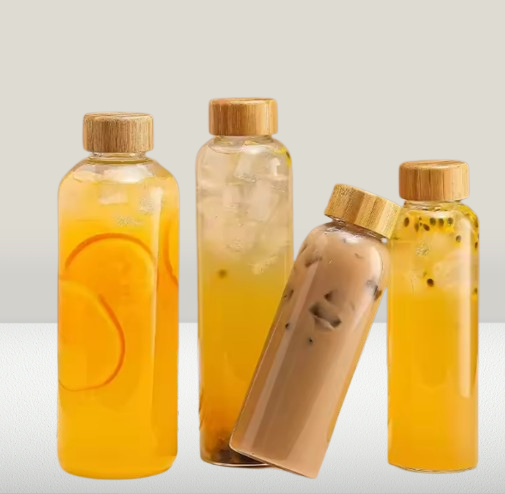
When I consult with clients, we have to balance perfect safety with practical use. Glass is the undisputed champion of purity. It's completely inert, meaning it will not leach any chemicals into your water, ever. It doesn't hold onto old flavors, so your water always tastes like water. But, we all know its weakness: it's heavy and it breaks. For everyday life—tossing a bottle in a gym bag or taking it on a hike—glass is often impractical. This is where 18/8 stainless steel shines. It offers nearly the same level of inertness and safety as glass but is incredibly durable. It won't shatter when dropped and can last for a decade or more. For most people's lives, stainless steel provides the ultimate combination of safety and practicality.
Safety & Practicality Showdown
| Material | Chemical Safety | Durability | Practicality |
|---|---|---|---|
| Glass | Excellent (completely inert) | Poor (fragile) | Fair (heavy) |
| Stainless Steel (18/8) | Excellent (non-reactive) | Excellent (tough) | Excellent (versatile) |
| BPA-Free Plastic | Good (but concerns remain) | Good (shatter-proof) | Excellent (lightweight) |
What is the Least Toxic Bottled Water?
You grab a single-use bottle of water at the store for convenience. But you worry about the plastic, especially if it's been sitting in a hot car, contaminating the pure water inside.
The least toxic bottled water is unquestionably water sold in glass bottles. Glass is a completely stable and inert material that does not leach any chemicals into its contents, ensuring the water you drink is as pure as it was at the source.
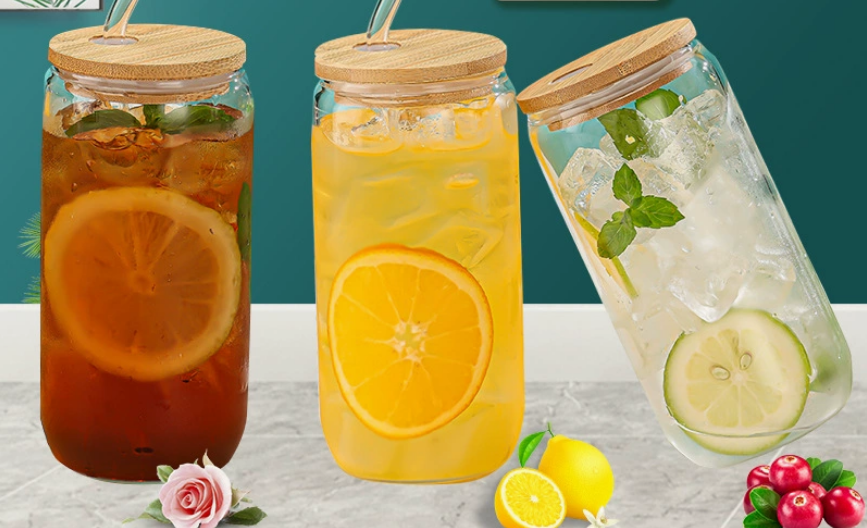
The concept of "leaching" is critical in my industry. If my coatings leached into a hot coffee, it would be a disaster. The same goes for water bottles. Leaching is when tiny amounts of chemicals from the container material migrate into the food or drink it's holding. Heat and time are the biggest triggers for this. While the PET plastic used for most disposable water bottles is BPA-free and generally stable, it's not perfect. Studies have shown that when heated, it can leach antimony and other compounds into the water. Glass, on the other hand, is like a vault. It's made from simple, natural materials like sand and contains nothing that can migrate. It doesn't matter if it's hot, cold, old, or new; the glass stays put, and the water stays pure. This is why scientists use glass beakers in labs and why premium beverages are almost always packaged in glass.
Which Water Bottles Do Not Contain BPA?
You see "BPA-Free" on every plastic bottle, and you're not sure what it means. You wonder if this label is a guarantee of safety or just a marketing trick.
Glass and stainless steel water bottles are always BPA-free by their very nature. Most modern reusable plastic bottles, like those made from Tritan, are also BPA-free. Look for the "BPA-Free" label on any plastic product to be sure.
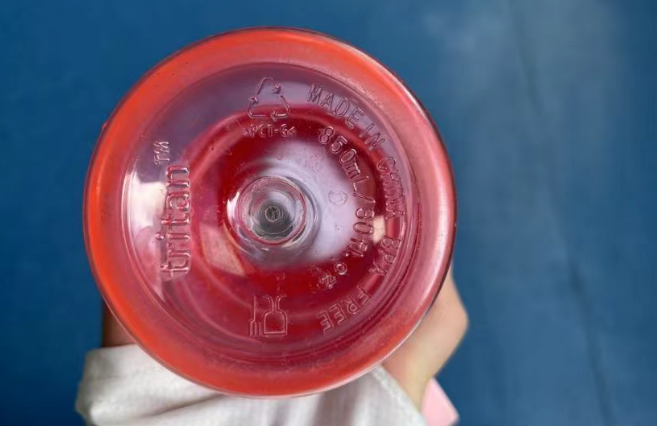
Let's clear this up, because it's a question I get all the time. BPA, or Bisphenol-A, is an industrial chemical that was historically used to make polycarbonate plastics. This is the hard, rigid, often clear plastic that used to be popular for reusable water bottles. BPA is a known endocrine disruptor, which is why it's been phased out of many products. The good news is that many materials never contained it in the first place. Glass and stainless steel are inherently BPA-free; they are made of different stuff entirely. Most single-use plastic bottles (PET #1 plastic) are also BPA-free. The label "BPA-Free" is most important when you're looking at reusable hard plastic bottles. They are now made from safer plastics like Tritan. However, some people are still cautious, as these new plastics use other compounds that are less studied. If you want 100% certainty and zero worry, sticking with glass or stainless steel is the simplest solution.
Which Stainless Steel Water Bottles Are Lead Free?
You invested in a stainless steel bottle for its safety. Then you saw a news report about lead being found in some brands and felt completely blindsided. How do you know if yours is safe?
Virtually all reputable brands offer lead-free bottles. The stainless steel body is always lead-free. The remote concern was a lead-based solder used to seal the vacuum base on some insulated bottles, which is now almost entirely phased out by major brands in favor of lead-free alternatives.
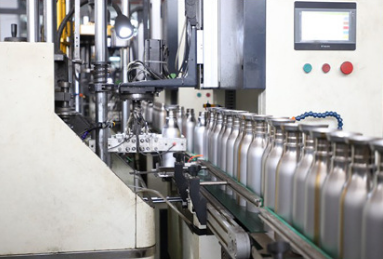
This issue caused a huge stir, and I had to get to the bottom of it for my own production line. Here's the truth: your water is safe. The 18/8 stainless steel that holds your drink has zero lead in it. The issue was a tiny dot of solder used in the manufacturing of some double-walled, vacuum-insulated bottles. To create the vacuum, there's a small hole on the bottom of the outer bottle that must be sealed. Some companies used a solder pellet that contained lead for this seal. This spot is then completely covered by the bottle's base cap or paint and never, ever comes into contact with your drink. The only way to be exposed would be if your bottle was severely damaged and the base cap came off. Due to consumer pressure, almost every major brand has publicly confirmed they have switched to lead-free sealing methods. To be safe, buy from well-known, transparent companies who state their products are lead-free.
Conclusion
For the ultimate peace of mind, choose glass for purity at home and high-quality, 18/8 food-grade stainless steel for durable, on-the-go safety. These materials ensure your water is always clean and healthy.