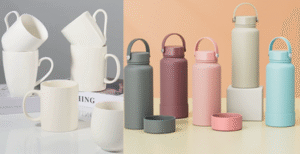
You want to choose the perfect reusable water bottle, but the decision is tough. Glass feels pure and clean, but you're worried it will break. Stainless steel is durable, but is it really healthy?
For most people's daily use, an insulated stainless steel bottle is better. It offers the best combination of durability, lightweight portability, and temperature control, making it a more practical choice for an active lifestyle than the more fragile glass.
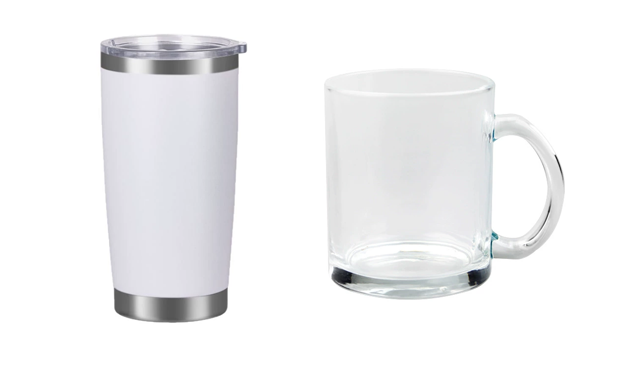
I remember talking with a designer, a lot like Emma, who was developing a product line for a yoga studio. She was convinced glass was the only option. She loved its pure, zen-like aesthetic. I didn't disagree on the look, but I asked her to imagine a client accidentally knocking a glass bottle over in a quiet, crowded yoga class. The sound of shattering glass, the water everywhere—it would ruin the entire serene atmosphere. We switched to a beautiful, soft-touch powder-coated stainless steel bottle. It had the premium feel she wanted without any of the risk. It was a simple conversation, but it highlighted a key lesson: the best material isn't just about theory; it's about how people actually live their lives.
From a Health Perspective, Is Stainless Steel or Glass Better?
You're trying to avoid plastics and make the healthiest choice. But you read so much conflicting information online that you're unsure which material is truly the purest and safest to drink from.
Both are exceptionally healthy choices. Glass is the most inert material, meaning it cannot leach anything into your water. However, food-grade 18/8 stainless steel is also extremely stable, non-toxic, and poses no risk of chemical leaching.

This is the number one question I get, and it's a great one to ask. For anyone focused on absolute purity, especially a designer like Emma who needs to guarantee product safety, this is crucial. The truth is, you can't go wrong with either. Glass is chemically simple and has a proven track record over centuries. It's completely non-reactive with anything you put in it. Think of laboratory beakers—they're made of glass for a reason. On the other hand, high-quality stainless steel, specifically the kind labeled "18/8" or "304 food-grade," is an advanced material designed for safety. The chromium and nickel in the alloy form a passive, rust-proof layer that prevents the metal from reacting with your water or leaching any compounds. The choice between them for health is less of a "good vs. bad" debate and more of a "perfect vs. excellent" one.
For All-Day, Everyday Use, What's the Best Material?
Your day is busy and unpredictable. You need a water bottle that can handle being tossed in a bag, survive a commute, and keep your water cold through a long afternoon meeting.
For all-day, everyday use, insulated stainless steel is the clear winner. Its supreme durability and ability to maintain temperature for hours make it far more practical and reliable than glass for an active, on-the-go lifestyle.
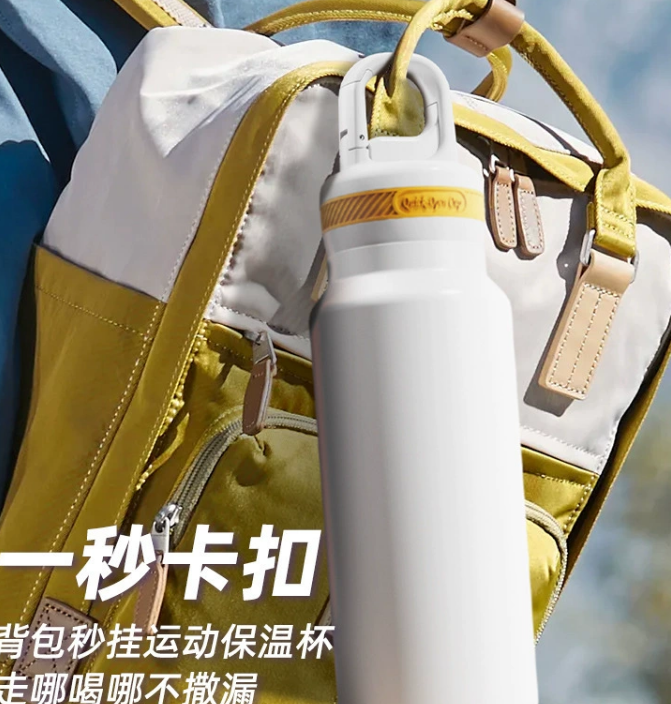
When I'm helping clients choose a bottle for a corporate gift or a new product line, I always ask them to describe the user's typical day. The answer almost always points toward stainless steel. While glass is beautiful for a desk or at home, it simply demands too much care for the reality of most people's lives. It requires you to be constantly mindful of it. Stainless steel, however, is built for life's bumps and chaos. It's a partner, not a delicate object you have to protect. For a designer creating products for real people, practicality is just as important as aesthetics. Stainless steel delivers on both.
| Feature | Insulated Stainless Steel | Glass Bottle (with sleeve) | My Take for Daily Use |
|---|---|---|---|
| Durability | Excellent. Can dent if dropped hard but will not shatter. | Poor. Can shatter from a short fall, even with a silicone sleeve. | Stainless steel easily wins for peace of mind. |
| Insulation | Excellent. Keeps drinks cold for 24+ hours or hot for 12+ hours. | None. Drink reaches room temperature very quickly. | For anyone who enjoys cold water, steel is essential. |
| Weight | Moderate. Lighter than a comparable glass bottle. | Heavy. Glass is a dense material, making it heavier to carry. | Stainless steel is noticeably more comfortable to carry all day. |
| Portability | Excellent. Can be tossed into a gym bag or backpack without worry. | Fair. Must be handled with care and packed carefully. | For true "grab and go" convenience, steel is the only option. |
For the Purest Taste, What's the Healthiest Container to Drink From?
You've noticed that sometimes water from certain bottles has a faint off-taste. You want a bottle that guarantees your water will taste like nothing but pure, clean water every single time.
If your single most important consideration is taste, glass is the undisputed champion. It is the most non-porous and inert material, guaranteeing absolutely zero flavor transfer. High-quality stainless steel comes very close but glass remains the purest.
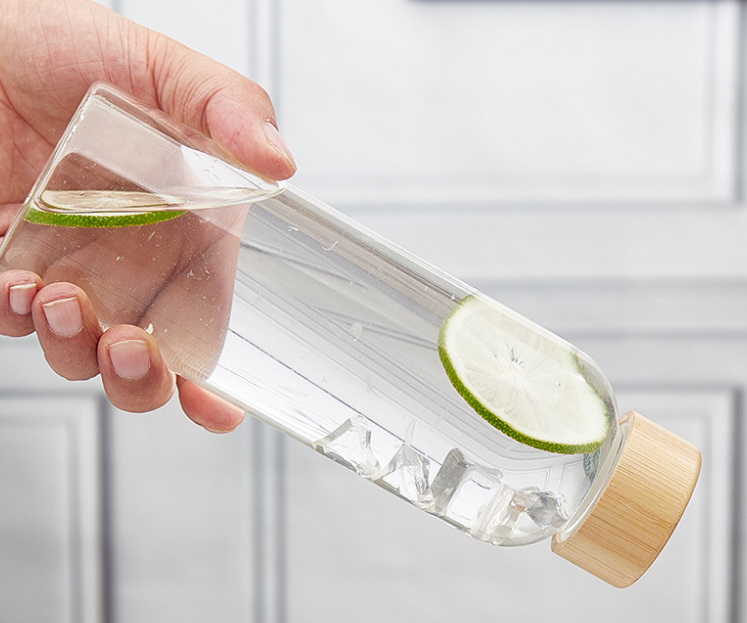
As a person who customizes drinkware, I can tell you that the material's surface matters. Glass is perfectly smooth and non-porous. This means there is nowhere for flavors or odors from past drinks to hide. Your water will taste like water, your tea will taste like tea, and never the two shall meet. Stainless steel is also excellent, but on a microscopic level, its surface can potentially hold onto residue if not cleaned properly. Have you ever heard someone complain of a "metallic" taste from a steel bottle? In 99% of cases, this isn't the steel itself, but the result of old oils or beverage residue that hasn't been fully washed away. For a designer like Emma, this is a key insight: if you choose to design with steel, including simple, clear cleaning instructions with the final product is a pro-level touch that ensures the customer has a perfect taste experience and loves their bottle for years.
What Are the Real Downsides of a Stainless Steel Water Bottle?
You're convinced that stainless steel is the practical choice. But you're a savvy product designer and you know every material has its trade-offs. What are the cons you need to be aware of?
The primary disadvantages of a stainless steel water bottle are its potential to dent upon impact, its higher upfront cost compared to plastic, and the fact that it is opaque, so you cannot see how much liquid is left.
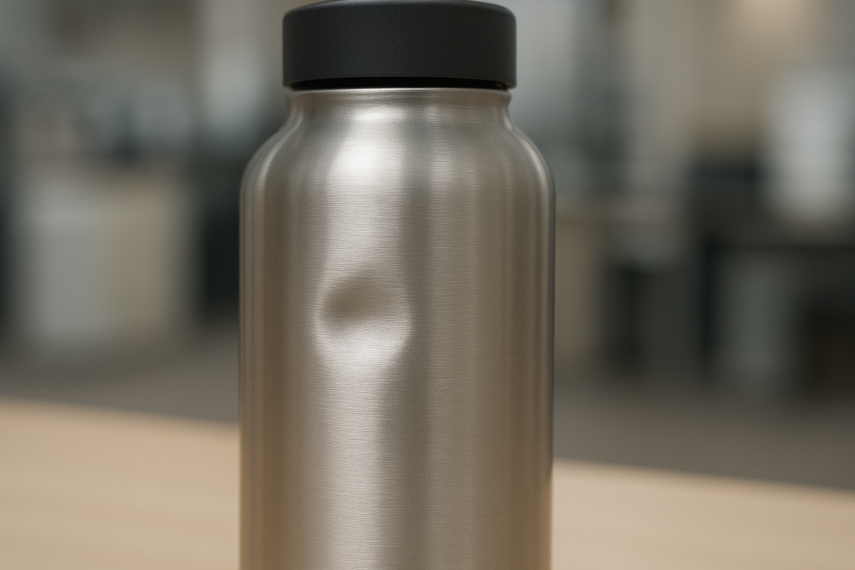
Honesty is key when you're guiding a client. I never pretend a product is perfect. Instead, I explain the trade-offs so they can make an informed decision. For stainless steel, the downsides are very manageable and are often a direct result of its strengths. Yes, it's more expensive, but that's because it's an engineered product built to last for years, unlike a cheap plastic bottle. Yes, it can dent, but that same strength means it won't shatter into a thousand dangerous pieces like glass. Understanding these cons allows a designer like Emma to design around them. For example, knowing it can dent might influence the placement of a delicate logo. These aren't reasons to avoid stainless steel; they are simply factors to consider in your design and marketing.
| Disadvantage | Why It Matters for a Designer | My Expert Tip for Emma |
|---|---|---|
| Can Dent | A significant dent can disrupt the aesthetic of a custom design. | Use durable printing methods like laser engraving, which is etched into the steel and looks great even with wear and tear. |
| Opaque | The user cannot see how much water is left at a glance. | This is a simple trade-off for the benefit of insulation. It's a feature, not a bug, of a high-performance bottle. |
| Higher Initial Cost | Can be a barrier for some customers compared to cheap plastic. | Position it as a "buy it for life" sustainable investment that saves money and waste in the long run. Emphasize value over price. |
Conclusion
For daily, active use, stainless steel is the superior choice due to its durability and insulation. For the ultimate purist at home or the office, glass offers unparalleled taste and clarity.