You want to stop using plastic bottles. But glass seems too fragile for your busy life, and you wonder if stainless steel will leave a weird metallic taste in your water.
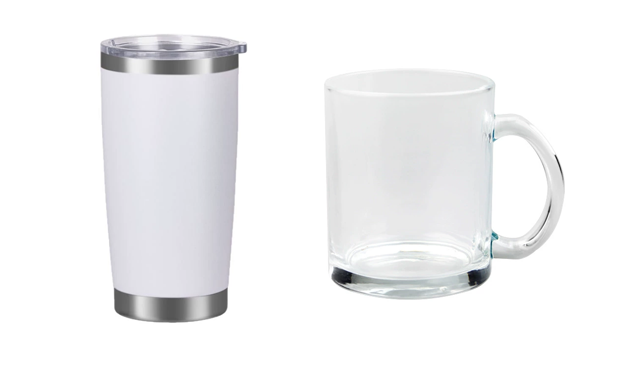
Both are excellent, healthy choices. Stainless steel is a durable, insulated workhorse perfect for an active lifestyle. Glass offers the purest taste and is ideal for home or office use where fragility is less of a concern.

From a safety perspective, you can't go wrong with either. This is something I emphasize constantly with my clients. Let's start with glass. It's one of the most trusted materials in science and food storage for a reason. Made from natural substances like sand, it’s chemically inert. That means it is completely stable and will never release anything into your water. It’s a simple, pure, and time-tested choice. Then you have stainless steel. The key here is the term "food-grade," which usually means 18/8 or 304 stainless steel. The metals in this specific alloy, chromium and nickel, form a tough, non-reactive surface layer. This layer prevents rust and stops the metal from ever reacting with your water, even with acidic drinks like lemon water. As long as you are buying from a reputable brand that certifies its materials, you can have complete confidence that your stainless steel bottle is just as safe as glass.
What Is the Healthiest Material for Water Bottles Overall?
You see bottles made of plastic, aluminum, steel, and glass. You’re overwhelmed by a wall of options and just want the simple, final verdict on the absolute safest material.
The two healthiest materials are glass and food-grade stainless steel. They are stable, inert, and do not leach chemicals or flavors into your water, placing them far ahead of plastic or lined aluminum.
When advising product designers, I always put safety first. It simplifies the choices. At the top of the pyramid, you have glass and food-grade stainless steel. They are the gold standard. They don't require any special liners and have a proven track record of being completely non-toxic and non-reactive. Below them, you'll find other materials with more complicated safety stories. Even "BPA-free" plastic can be a concern, as other chemicals used in its production might have unknown effects. The biggest issue is with aluminum. Raw aluminum is not safe for direct food contact, so all aluminum bottles must have an internal liner, which is usually a thin layer of plastic or epoxy. If that liner gets scratched or wears down over time, your water could be exposed to the metal underneath. That's a risk you completely avoid with steel or glass.
| Material | Health & Safety Rating | Key Considerations |
|---|---|---|
| Glass | ★★★★★ | Naturally inert and pure. No leaching risk. |
| Stainless Steel | ★★★★★ | Food-grade is non-reactive and liner-free. |
| BPA-Free Plastic | ★★★☆☆ | Risk of other chemicals; can retain odors/tastes. |
| Aluminum | ★★☆☆☆ | Relies on a liner that can be scratched or degrade. |
Does Water Taste Better in Glass or Stainless Steel?
You’ve noticed a slight "off" taste from a metal bottle before. You wonder if you’re just sensitive, or if the material genuinely changes the pure taste of your water.
Most people agree that water tastes purest from glass. It is a completely neutral material that will never impart any flavor. While high-quality stainless steel is nearly tasteless, some sensitive individuals might detect a very faint metallic note.
When the only goal is pure, unaltered taste, glass is the undisputed winner. Think about it: wine enthusiasts and food labs use glass for tasting for a reason. It's completely non-porous and imparts zero flavor, letting you taste the beverage exactly as it is. This is why glass bottles are fantastic for things where taste is delicate, like fruit-infused water, tea, or even just clean, filtered water. Now, let's talk about stainless steel. In my experience, for 99% of people, high-quality stainless steel is perfectly fine and tasteless. However, some people do have a more sensitive palate and can detect a very subtle metallic hint, especially when a bottle is brand new. I always tell my clients that this can usually be fixed with a good initial cleaning using baking soda and vinegar. But if you are someone who is extremely sensitive to any change in the taste of your water, and durability is not your main concern, glass will give you that absolutely perfect, crisp taste you’re looking for.
Which Metal Is Healthiest for Drinking Water?
You want a metal bottle for its toughness but see options like aluminum, titanium, and steel. You need to know which metal is the safest and most reliable for daily use.
Food-grade stainless steel is the healthiest and most practical metal for drinking water. It is naturally non-reactive and doesn't need a liner, unlike aluminum. Titanium is also extremely safe but is significantly more expensive.

This comes down to the core properties of the metals themselves, an important detail for any product designer. The most common metal alternatives are stainless steel and aluminum. As I mentioned before, aluminum requires a liner to be safe. This is its critical weakness. The liner can get damaged from dents, scrubbing with a brush, or even just from alkaline detergents. Once breached, the protection is gone. Stainless steel, on the other hand, is inherently safe. Its corrosion resistance is part of the metal itself, not a coating. There is another player: titanium. From a pure health perspective, titanium is flawless. It’s incredibly strong, lightweight, and completely inert. Medical implants are made from it. The only problem is the price tag. A titanium bottle can cost three or four times more than a stainless steel one. This makes food-grade stainless steel the smart choice. It offers the same liner-free safety as titanium at a price that makes sense for an everyday item. It truly is the sweet spot of health, durability, and value in the world of metal bottles.
Conclusion
Both glass and stainless steel are top-tier healthy choices. Go with steel for durable, on-the-go insulation. Choose glass if you prioritize the purest taste and use your bottle in safer environments.