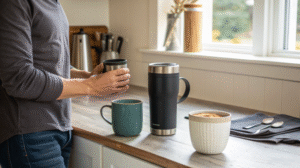
You're standing in front of a wall of stainless steel bottles. They come in all sizes, shapes, and colors, with a dozen different lid types. You are overwhelmed and afraid of buying the wrong one.
To choose the perfect bottle, focus on three things: how you will use it, the lid type that fits your lifestyle, and the right size. For material, 18/8 food-grade stainless steel is the safe, reliable industry standard for almost everyone.
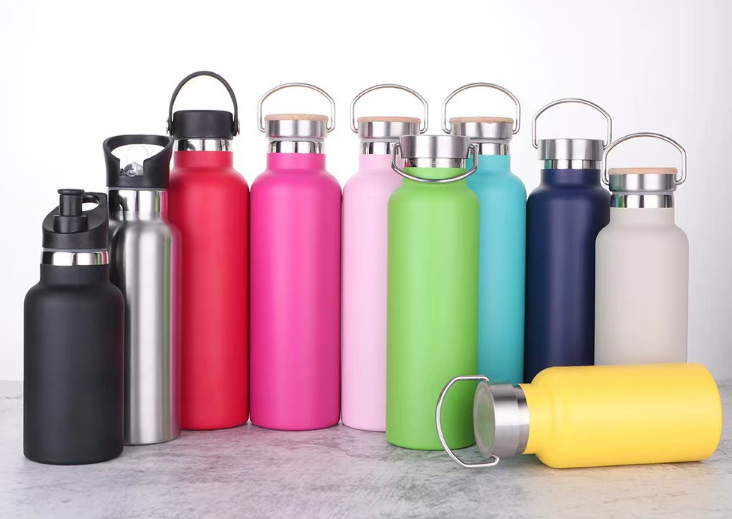
Back when I was just starting my business, I thought a bottle was just a bottle. Then, I began creating custom designs for clients with very different needs—from busy moms to extreme athletes. I quickly learned that the details matter. A bottle that's perfect for a desk job is terrible for a marathon runner. Understanding these details is the key to finding a bottle you will actually use and love every day. It is about matching the product to your real life.
Which is Better, ss304 or ss316 Stainless Steel for Water Bottles?
You see numbers like "304" and "306" in product descriptions and you have no idea what they mean. You just want to be sure you are choosing the safest and best material.
For water bottles, 304 stainless steel is the perfect choice and the industry standard. 316 offers a slight, unnecessary increase in corrosion resistance at a higher cost. It does not provide any extra health or performance benefits for daily hydration.
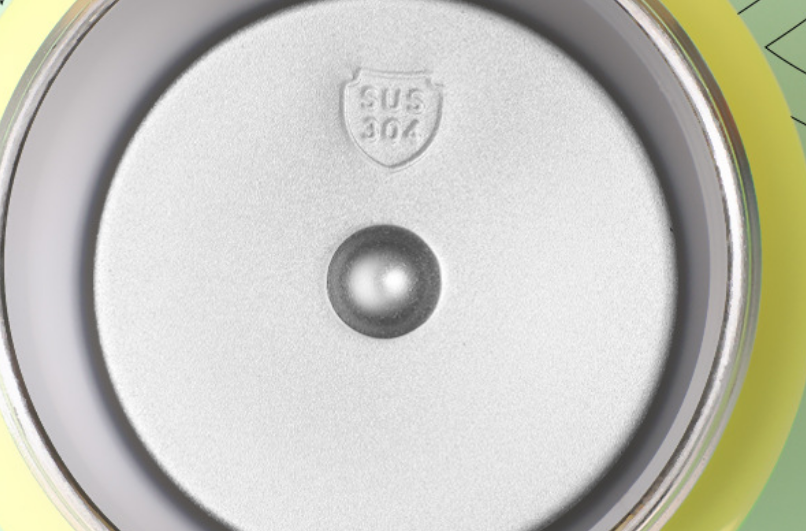
As someone who sources these materials directly, I deal with these numbers every day. Let's break it down simply. The numbers refer to the percentage of chromium and nickel in the steel. "316" means it contains 18% chromium and 8% nickel. The chromium provides rust resistance, and the nickel enhances that protection and adds a nice shine. "31" steel just bumps the nickel content up to 10%. While this technically makes it even more resistant to corrosion, 304 is already more than sufficient to prevent rust from water or common beverages. That extra 2% of nickel adds cost but provides no meaningful benefit for a water bottle. In all my years of manufacturing and helping designers like Emma, we always use 18/8 because it provides the perfect balance of safety, durability, and value for the customer.
18/8 vs. 18/10 Stainless Steel
| Feature | 304 Stainless Steel | 316 Stainless Steel |
|---|---|---|
| Composition | 18% Chromium, 8% Nickel | 18% Chromium, 10% Nickel |
| Corrosion Resistance | Excellent | Exceptional (overkill for water) |
| Common Use | Water bottles, most cookware, food storage | High-end cutlery, surgical instruments |
| Cost | Standard | Higher |
How Do You Choose the Right Stainless Steel Bottle?
You bought a bottle that looked great online. But it is too small for the gym, the lid leaks in your bag, or it's too wide for your car's cup holder, so it sits unused.
Choose your bottle by matching it to your daily routine. Consider where you will use it most (office, gym, hiking). Then, pick a lid that suits that activity (straw, spout, wide-mouth). Finally, select a size that meets your hydration needs without being too bulky.
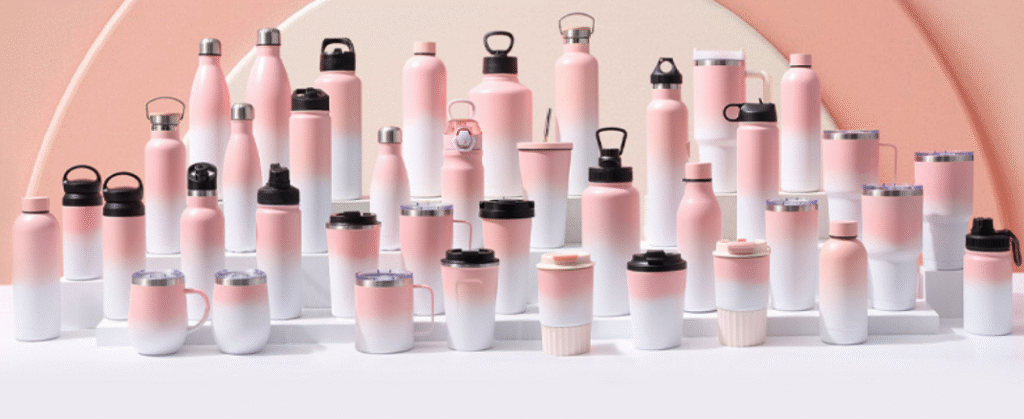
I guide my clients through this process when they design a new product line. The goal is to create something people will want to carry everywhere. The wrong bottle becomes clutter. The right one becomes essential. Think about your life. Are you mostly at a desk? A 24 oz bottle with a straw lid for easy sipping is perfect. Are you a serious athlete? You might want a larger 32 oz or 40 oz bottle with a spout lid for quick chugging. Do you love adding ice or fruit to your water? A wide-mouth opening is non-negotiable for easy filling and cleaning. The bottle needs to solve a problem for you, whether it's staying hydrated without spills during a commute or having enough water for a long hike. The form must follow the function.
Matching a Bottle to Your Lifestyle
| Use Case | Recommended Size | Recommended Lid Type | Key Feature |
|---|---|---|---|
| Daily Commute/Office | 18-26 oz | Straw Lid or Flip-Top | Fits in a car cup holder |
| Gym/Sports | 24-40 oz | Spout/Chug Lid or Straw Lid | Easy one-handed use |
| Hiking/Outdoor | 32-64 oz | Wide-Mouth with Handle | High capacity, easy to carry |
| Kids | 12-18 oz | Straw Lid or Spout Lid | Leak-proof and durable |
What are the Disadvantages of a Stainless Steel Water Bottle?
You love that your steel bottle keeps drinks ice-cold. But it feels like a brick in your bag, you are terrified of dropping it, and the lid has weird nooks you can't clean.
The primary disadvantages are their heavy weight compared to plastic, their ability to get dented (which can ruin the insulation), a higher initial cost, and complex lids that can be difficult to clean thoroughly and may harbor mold if not cared for.
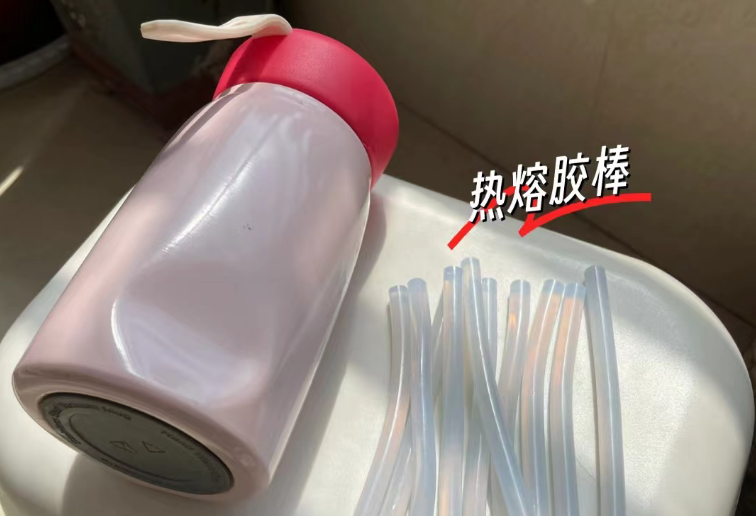
Being in this business means being honest about a product's limits. The double-wall insulation that makes these bottles great also makes them heavy. There's no way around that. The biggest functional risk is a bad dent. If you drop your bottle and the dent is deep enough to make the outer wall touch the inner wall, you've created a direct path for heat to travel. This "thermal bridge" completely breaks the vacuum insulation, and your bottle will no longer keep drinks hot or cold. It becomes just a heavy, non-insulated container. While the initial cost is higher than a plastic bottle, it pays for itself over time. But you have to be prepared to care for your investment, which includes taking the time to fully disassemble and clean the lid to prevent any gunk from building up in the seals and moving parts.
Which is Better for Water Bottles, 304 or 316 Stainless Steel?
Just when you thought you understood "18/8," you see bottles labeled with "304" or "316" grades. It's confusing, and you're worried about making the wrong choice for your health.
For water bottles, 304 stainless steel is the perfect and safe industry standard. It is the same as 18/8 steel. 316 steel is a higher, marine-grade steel that offers superior corrosion resistance, but it is unnecessary and more expensive for daily water-drinking purposes.
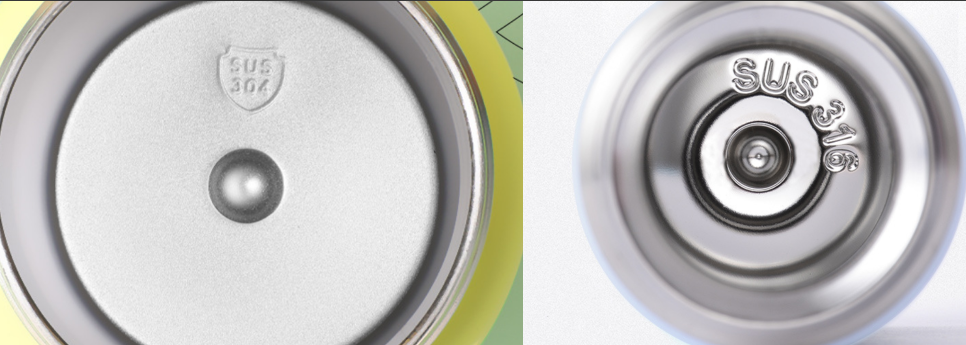
This is a technical detail, but it's an important one. First, let's clear up the main point of confusion: "304 grade" is just the formal, industrial name for "18/8 stainless steel." They are the exact same thing. So, if a bottle is 304 grade, it is the food-safe standard you are looking for. Now, what is 316? 316 grade is a premium steel that includes a new ingredient: molybdenum. This element makes the steel incredibly resistant to corrosion from salts and acids. This is why it's often called "marine-grade"—it's used for boat fittings that are constantly exposed to salt water. For a water bottle, this level of protection is complete overkill unless you plan on exclusively drinking highly acidic juices or saltwater. For the 99.9% of us just drinking water or coffee, 304 steel provides all the safety and durability we will ever need at a much better price.
304 vs. 316 Steel for a Water Bottle
| Attribute | 304 Stainless Steel (18/8) | 316 Stainless Steel |
|---|---|---|
| Key Ingredient | Chromium, Nickel | Chromium, Nickel, Molybdenum |
| Best For | General daily use (water, coffee, tea) | Marine environments, highly acidic liquids |
| Resistance | Excellent against standard corrosion/rust | Supreme against salt and acid |
| Cost | The industry standard | Significantly more expensive |
Conclusion
To find your perfect bottle, choose 18/8 (304) steel. Then, match the size and lid type to your daily life. Knowing these simple details ensures you buy a bottle you will love.