You want a lightweight water bottle, but news about chemicals in plastic makes you nervous. You need a safe, reusable option but feel lost in the confusing world of plastics.
Yes, Tritan is significantly safer than traditional plastics like polycarbonate. It’s a durable, BPA-free copolyester that doesn't leach harmful chemicals, making it a superior choice for health-conscious consumers looking ahead to 2026.

The conversations I have with clients have changed so much over the years. A decade ago, the main factors for a custom water bottle were price and logo placement. Now, the very first question is often, "What is it made of?" People are more aware of things like BPA and long-term health. This shift is huge. A designer like Emma can't just create a beautiful design; she needs to put it on a product that people trust. This is why understanding materials like Tritan isn't just technical—it's about meeting the demands of a smarter, healthier market in 2026 and beyond.
Is Tritan Really That Much Safer Than Regular Plastic?
You see "BPA-Free" on many plastics, not just Tritan. You wonder if Tritan is just a marketing gimmick or if there's a real, tangible safety benefit over other modern plastics.
Yes, Tritan is safer because it's free of all bisphenols, not just BPA. Unlike many "BPA-free" plastics that may use other bisphenols like BPS, Tritan’s chemical structure is fundamentally more stable and less prone to leaching.

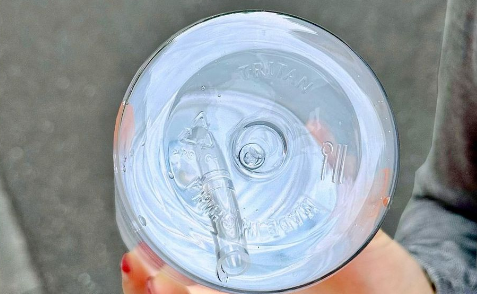
This is where we need to look closer at the science, in a simple way. The big concern with old-school clear hard plastics (like polycarbonate) was BPA, an endocrine disruptor. So, companies switched to "BPA-free" alternatives. The problem is, some of these alternatives simply replaced BPA with similar chemicals, like BPS, which may have its own health risks. Tritan is different. It's a copolyester made by Eastman, and its chemical makeup is completely free of BPA, BPS, or any other bisphenols. It has undergone extensive independent testing to prove it won't leach these chemicals, even when exposed to heat (like in a dishwasher). While a basic PET plastic bottle (like the disposable kind) is generally considered safe for single use, it's not designed for the wear and tear of repeated use, heating, and washing. Tritan is built for that reality, making it a trustworthy choice for a daily-use bottle.
How Can You Find the Least Toxic Water Bottle Brand?
You want to buy a safe bottle but don’t trust marketing claims. You’re looking for a reliable way to identify brands that are genuinely committed to non-toxic products, not just buzzwords.
Instead of looking for one brand, look for signs of a trustworthy one: material transparency (e.g., specifying "Eastman Tritan" or "18/8 Stainless Steel"), third-party safety certifications (like NSF), and a clear commitment to being free of BPA, BPS, and phthalates.

As a business owner who sources products, I don't look for a single "best brand." I look for proof. A brand that is truly committed to safety isn't afraid to tell you exactly what their product is made of. Vague terms like "high-quality plastic" are a red flag. A great brand will proudly state, "Made with Eastman Tritan," because it's a premium, recognizable material. They will also often provide links to their safety testing data or display logos from third-party certifiers. The least toxic brands are the most transparent ones. It's also wise to check customer reviews specifically for issues like strange tastes or odors, which can indicate lower-quality materials. By 2026, with consumer demand for transparency at an all-time high, the brands that openly share this information will be the most trusted ones in the market. Look for evidence, not just promises.
If You Buy a Tritan Bottle, How Long Will It Actually Last?
You’re tired of plastic bottles that get cloudy, stained, or start to smell after a few months. You need to know if investing in a Tritan bottle means it will stay clear and useful for years.
A Tritan bottle can last for many years with proper care. Unlike regular plastic, it is highly shatter-resistant, won't stain or retain odors, and stays clear even after hundreds of dishwasher cycles. Its lifespan is limited by physical abuse, not material degradation.

Durability is where Tritan really shines and justifies its slightly higher cost. When I show samples to clients, the difference is obvious. Regular plastic bottles, especially the softer kinds, scratch easily and can start to look cloudy and worn out quickly. They can also absorb the color and smell of drinks like juice or sports drinks. Tritan resists all of that. Its hardness makes it very difficult to scratch, and its non-porous surface means it won’t hold onto old flavors or smells. You can wash it in the dishwasher today, and it will look just as crystal clear as the day you bought it. I've had clients use the same Tritan bottles for years. The reason you'd eventually replace one isn't because the material breaks down; it's because you might lose the lid, or drop it from a great height enough times to finally crack it (which is very hard to do). For day-to-day use, it's built to last.
Does Tritan Plastic Give Off Microplastics?
The threat of microplastics is everywhere. You need to know if Tritan, despite all its other benefits, is still shedding invisible plastic particles into the water you drink every day.
All plastics can potentially shed microplastics, but Tritan’s superior chemical stability and durability make it far less likely to do so than softer, less stable plastics. Physical wear from harsh scrubbing is the primary cause, not simple water contact.

This is one of the most important questions for the future. While research is ongoing, here’s what we know based on material science. Microplastic shedding happens when a plastic degrades. This can be caused by UV light (from the sun), heat, or physical abrasion (like scrubbing with an abrasive sponge). Softer and less chemically stable plastics are more vulnerable to this breakdown. This is where Tritan's key benefit comes back into play: its stability. Because Tritan is exceptionally durable, heat-resistant, and tough, its surface is less likely to break down and release particles compared to cheaper plastics. You can dramatically minimize any potential risk by treating the bottle well. Avoid using harsh, abrasive sponges for cleaning—a soft cloth and soap or a run through the dishwasher is perfectly fine. While no plastic can be guaranteed to be 100% free of microplastic shedding forever, choosing a highly stable and robust material like Tritan is the best way to reduce your exposure.
Conclusion
Looking ahead to 2026, Tritan is the clear winner for a safe, reusable plastic bottle. Its proven stability, durability, and freedom from harmful chemicals make it a trustworthy choice for daily use.