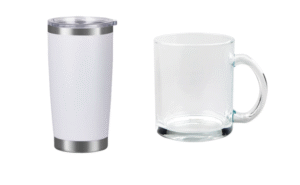
Your perfect morning coffee turns lukewarm in minutes. You bought a beautiful new mug, but it seems to steal the heat right out of your drink, ruining your cozy ritual.
For keeping drinks hot the longest, ceramic mugs are generally better. Their thicker, more porous material acts as a natural insulator, trapping heat more effectively than the denser structure of glass or milk glass, which allows heat to escape faster.

In my world of customizing drinkware, the material is everything. I've printed designs on thousands of mugs, from smooth ceramic to sleek stainless steel. Clients like Emma, a talented product designer, always ask me about performance, not just looks. They want to know which material will give their customers the best experience. It's made me look closely at the science behind a simple cup of coffee. The choice between the vintage charm of milk glass and the classic feel of ceramic isn't just about style; it's about starting your day with a drink that stays perfectly warm.
What Type of Mug Holds Heat the Best?
You're searching for the ultimate mug that keeps your tea or coffee hot. You see endless options—glass, ceramic, porcelain—and you're not sure which material actually does the job best.
Ceramic mugs, particularly those made from thick stoneware, are the champions of heat retention. The tiny air pockets within the clay material create a natural layer of insulation, slowing down how quickly your hot beverage cools.

I've tested this firsthand in my workshop. To ensure a sublimation transfer works perfectly, you need even, sustained heat. I noticed that thick ceramic mugs hold that heat much more consistently than glass ones. It comes down to a simple science called thermal conductivity. Glass has a dense, uniform structure. This allows heat energy to travel through it and escape into the air relatively quickly. Ceramic, on the other hand, is made from clay. Even after it's fired in a kiln, its structure is less dense and contains microscopic air pockets. These pockets act like the insulation in your house walls; they slow down the transfer of heat. A thicker ceramic mug, like rustic stoneware, has even more insulating power. The only exception is double-walled glass, which uses a layer of air or a vacuum as a powerful insulator, but for standard, single-wall mugs, thick ceramic wins every time.
Are Glass or Ceramic Mugs Better?
You're trying to choose new mugs for your kitchen. You love the elegant look of milk glass, but the classic, cozy feel of ceramic is also appealing. You're stuck trying to decide which is truly better.
"Better" depends on what you value most. Ceramic is superior for heat retention and durability against drops. Glass and milk glass are better for flavor purity, resisting stains, and showcasing layered drinks like lattes.
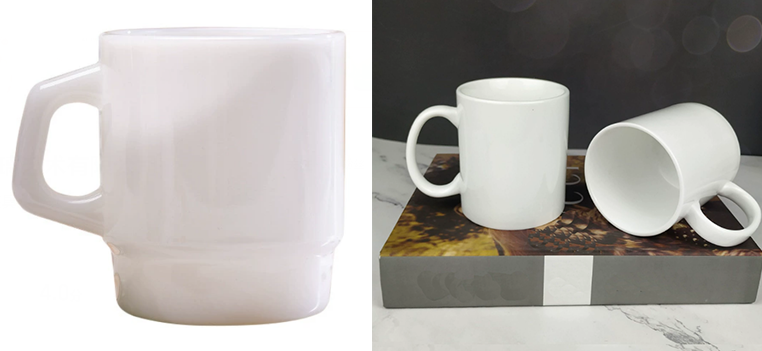
This is a classic form vs. function debate that I discuss with designers all the time. There is no single "best" answer, only the best choice for a specific need. For the person who sips their coffee slowly over an hour, a thick ceramic mug is the practical winner. It's also more forgiving; dropping a ceramic mug might result in a chip, while dropping a glass one usually means it shatters. However, for the coffee connoisseur who wants the purest taste, glass is king. It's completely non-porous and will never absorb old flavors or odors. Milk glass offers this same benefit with a unique, vintage aesthetic. It is also perfect for drinks where appearance matters, like an Irish coffee or a matcha latte, as you can see the beautiful layers. I advise people to think about their daily habits to make the right choice.
Head-to-Head Comparison
| Feature | Ceramic Mugs | Milk Glass Mugs |
|---|---|---|
| Heat Retention | Excellent | Fair |
| Durability | Good (can chip) | Poor (can shatter) |
| Aesthetics | Cozy, Classic, Rustic | Vintage, Elegant, Stylish |
| Flavor Purity | Good to Very Good | Excellent |
| Stain Resistance | Fair (can stain over time) | Excellent |
Does Glass or Ceramic Hold Heat Better?
You feel the outside of your hot glass mug, and it's almost too hot to touch. Your ceramic mug feels warm, but not burning. You wonder why there's such a big difference.
Ceramic holds heat significantly better than glass. The porous nature of fired clay makes ceramic a natural insulator, slowing heat loss. The dense, non-porous structure of glass makes it a better conductor, allowing heat to escape quickly.
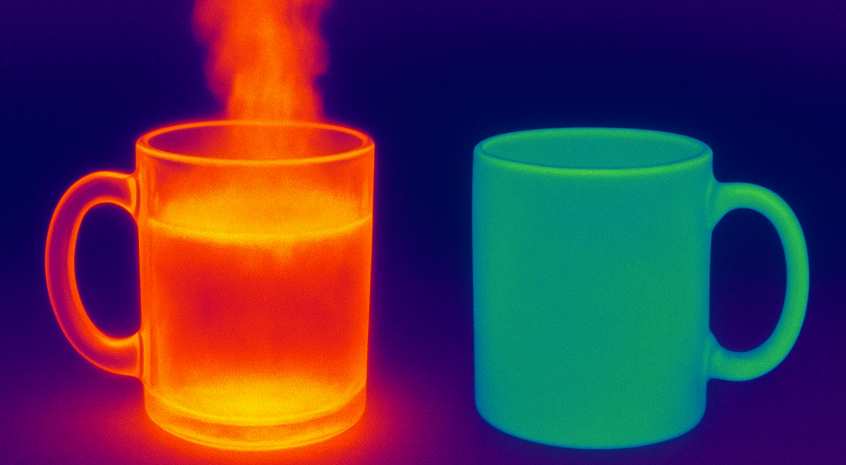
Think of it like wearing a winter coat. A thick, fluffy wool sweater is like ceramic. The trapped air between the wool fibers keeps your body heat in. A thin nylon jacket is like glass. It doesn't have that insulating layer, so you feel the cold much faster. The molecules in glass are packed together very tightly and uniformly. When you pour hot coffee in, that heat energy easily vibrates from molecule to molecule until it reaches the outside surface and escapes. In ceramic, the structure is less uniform, with tiny air pockets that disrupt this flow of energy. The heat has a much harder time finding a path to escape. This is why a ceramic mug full of coffee will have a warm exterior, while the coffee inside stays hot. A glass mug's exterior gets hot very fast because the heat is rapidly leaving the liquid.
Are Ceramic Mugs Safe for Hot Drinks?
You found a beautiful, handmade ceramic mug at a local market. You love it, but you've heard stories about lead in old pottery and now you're hesitant to use it.
Yes, modern, commercially produced ceramic mugs are extremely safe for hot drinks. They are made with lead-free glazes and are fired at high temperatures, which creates a stable, inert surface that will not leach harmful chemicals into your beverage.
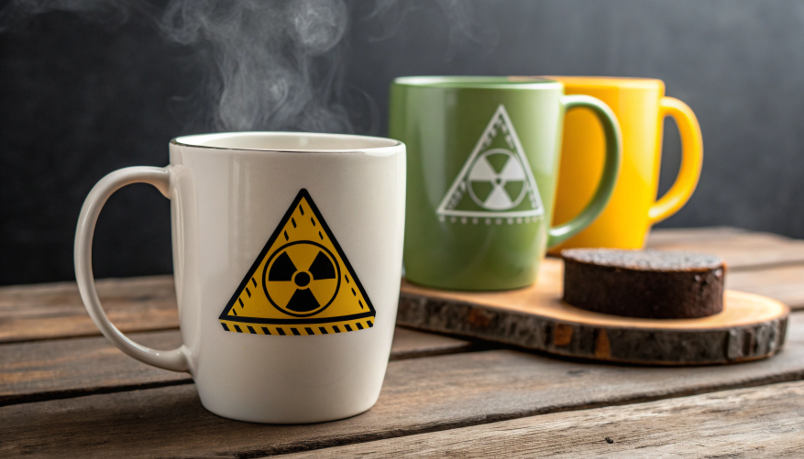
This is a very important safety concern, and it's one I take seriously in my own business. The fear comes from a time when lead was a common component in pottery glazes. If the pottery wasn't fired at the correct temperature for the right amount of time, this lead could potentially leach out, especially when in contact with acidic drinks like coffee or tomato soup. However, the modern ceramic industry is heavily regulated. In the United States, the FDA has strict limits on lead in ceramics, and reputable manufacturers have long since switched to entirely lead-free, food-safe glazes. When you buy a new ceramic mug from a known brand, you can be confident it's safe. It's wise to be cautious with very old, antique mugs or handmade pieces from unknown sources, especially if the glaze is chipped or cracked. For everyday use, stick to modern, properly-made mugs, and you'll have nothing to worry about.
Conclusion
Choose ceramic for superior heat retention and a cozy feel. Opt for milk glass for its elegant style and pure taste. Both are safe, so the best mug is the one you love to use every day.