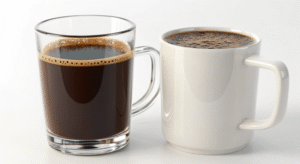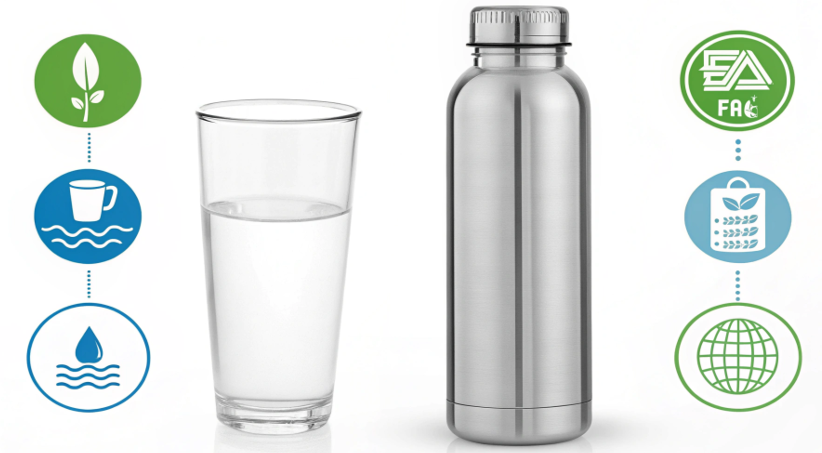
You're trying to choose the perfect reusable water bottle. You love the pure, clean look of glass, but worry it will break. Stainless steel seems tough and practical, but you wonder if it's truly safe or if it will leave a funny taste in your water.
For active, daily on-the-go use, an insulated stainless steel bottle is the better choice due to its durability and temperature control. For the absolute purest taste in a home or office setting, glass is superior, but it lacks practicality.
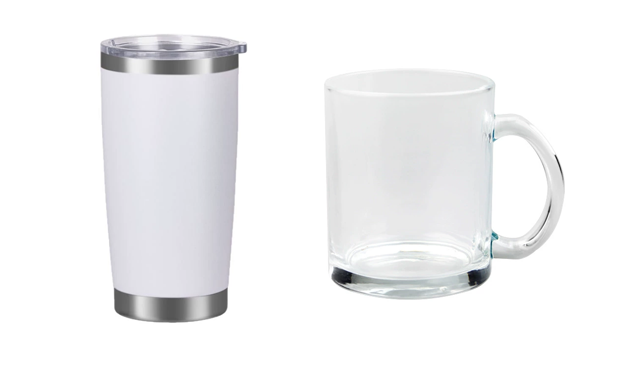
I'll never forget a client who came to me wanting to create a line of custom bottles for a high-end wellness retreat. She was dead-set on glass. For her, it represented purity and elegance. I understood her vision completely. But as someone who works with materials every single day, I had to walk her through the reality. We talked about shipping breakage, the risks of a guest dropping one by the pool, and the fact that the drink inside would be warm within an hour. It was a tough conversation, but it was necessary. In the end, we developed a stunning stainless steel bottle with a soft, powder-coated finish that felt just as premium but was infinitely more practical. This experience taught me that the "best" material is the one that best fits the user's real life.
For Just Drinking Water, Is Glass Really Better Than Stainless Steel?
You want what's fundamentally best for your water. The marketing for glass bottles emphasizes purity and taste, making it seem like the obvious winner, but stainless steel bottles are everywhere.
Glass is technically better for preserving the pure, unaltered taste of water. However, insulated stainless steel is far better at preserving the temperature of water, which for many people is a more important factor for enjoyment and daily hydration.
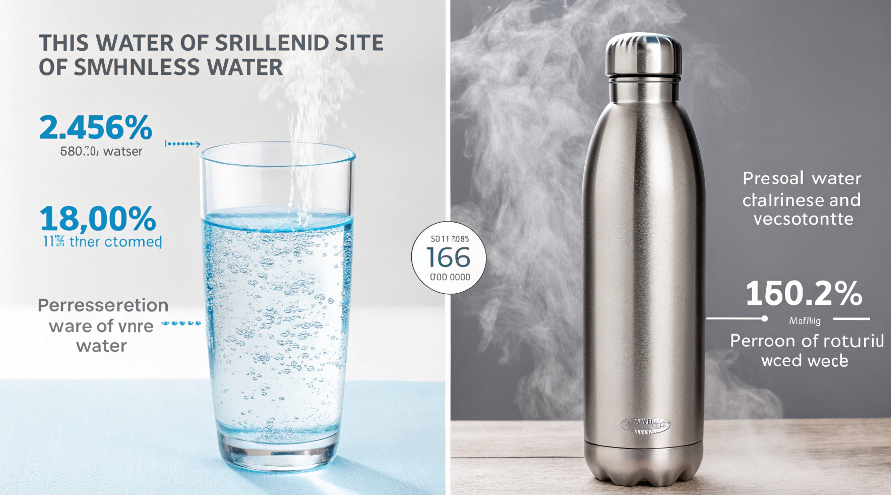
When a product designer like Emma weighs these options, it's a classic case of form versus function. Let's break it down from a material science perspective. Glass is essentially fused sand. It is completely inert, which means it is 100% non-reactive. It will not, and cannot, impart any flavor to the water it holds. This is its superpower. Stainless steel is also incredibly stable, but its primary strengths lie elsewhere. Its durability is legendary. You can drop it, bang it around in a backpack, and it will survive. The real game-changer, however, is vacuum insulation. A double-wall steel bottle creates a buffer that stops heat transfer. This means your ice water stays icy cold all day long, even in a hot car. For most people, the benefit of having refreshingly cold water available for hours far outweighs the subtle difference in taste purity that glass offers. It's functionality winning over theoretical perfection.
From a Health Standpoint, What Is the Safest Material to Drink Out of?
You're bombarded with news about BPA, phthalates, and microplastics. You just want to choose a water bottle that you know, without a doubt, is completely safe for you and your family.
Both glass and high-quality food-grade stainless steel are considered the two healthiest and safest materials for drinkware. Neither leaches harmful chemicals, and both provide a pure drinking experience, free from the risks associated with some plastics.
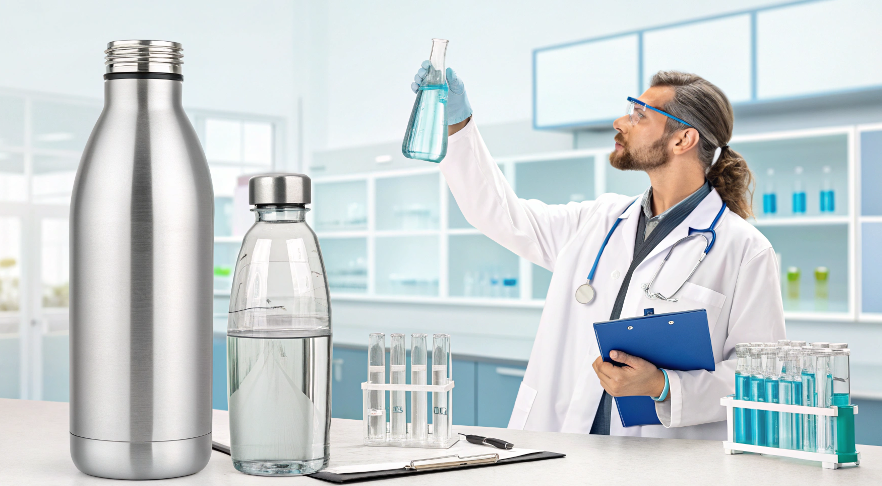
This is a question I take very seriously in my business. Ensuring product safety is the most important part of my job. The good news is, with these two materials, you have excellent options. Glass has a simple, proven track record. It's clean, non-porous, and doesn't need any special liners or coatings to make it safe. It’s the baseline for safety. Food-grade stainless steel, specifically the type known as 18/8 or 304, is a marvel of material engineering designed for this exact purpose. The "18/8" refers to its composition: 18% chromium and 8% nickel. This specific alloy creates an incredibly stable and corrosion-resistant surface. This built-in protective layer prevents any metal from reacting with your water or leaching into it. So, while plastics can raise concerns about chemical additives, both glass and quality stainless steel offer peace of mind. For a designer like Emma, specifying "18/8" or "304" stainless steel is a critical step to guarantee a safe and high-quality product.
Is It Better to Drink Water from Glass or Metal?
You're trying to make the final call. The debate between glass and metal feels confusing, and you just want a straight answer on which one to pick for your daily hydration goals.
For a practical, worry-free daily routine, it is better to drink from an insulated metal (stainless steel) bottle. Its durability and temperature control make it a more reliable companion for work, the gym, and travel compared to fragile glass.
Let's put them head-to-head on the factors that matter for everyday life. I use this exact logic when advising my clients. A product has to work in the real world, not just look good on a shelf. For someone like Emma, thinking through these practical user experiences is what separates a good design from a great one. How does the product fit into someone's life? This table makes the choice pretty clear for most situations.
| Feature | Glass Bottle | Insulated Stainless Steel | The Winner for Daily Use |
|---|---|---|---|
| Durability | Poor. Can shatter from a small drop. | Excellent. Can dent but rarely breaks. | Stainless Steel |
| Insulation | None. Water becomes room temp quickly. | Excellent. Keeps cold for 24+ hours. | Stainless Steel |
| Taste Purity | Excellent. The absolute purest taste. | Very Good. No taste if cleaned properly. | Glass (by a slight margin) |
| Weight | Heavy. Glass is dense and bulky. | Lighter than glass. | Stainless Steel |
| Customization | Difficult. Printing can scratch off. | Excellent. Perfect for sublimation, etc. | Stainless Steel |
Which Metal Is the Healthiest and Safest for Drinking Water?
You've decided on metal for its durability, but now you see options like aluminum and different types of steel. You want to be sure you're picking the absolute safest metal available.
Food-grade 18/8 (also called 304) stainless steel is, by far, the healthiest and safest metal for drinking water. It is naturally stable, corrosion-resistant, and does not require a chemical liner, unlike aluminum bottles.
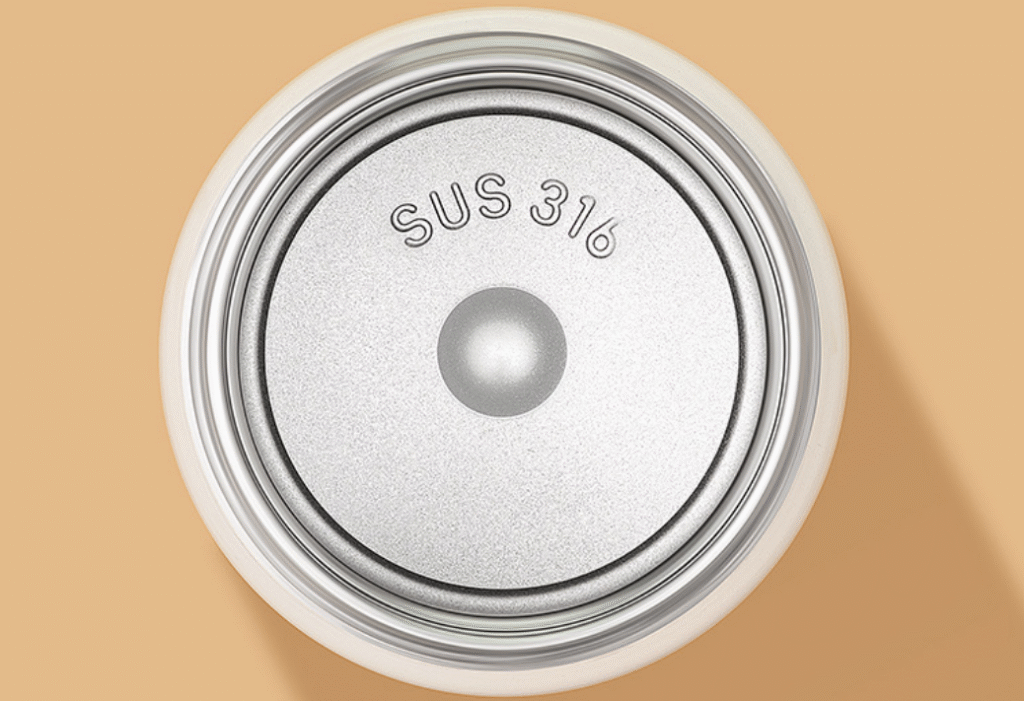
This is where my experience in manufacturing becomes so important. Not all metals are created equal. Many people see a metal bottle and assume it's the same as stainless steel, but that's often not the case. Cheaper metal bottles are frequently made from aluminum. The problem with aluminum is that it can react with acidic liquids and leach into your drink. To prevent this, aluminum bottles must be coated on the inside with a lining, often a type of epoxy or plastic resin. If this liner gets scratched or damaged, the aluminum is exposed, and the bottle is no longer safe. High-quality stainless steel, on the other hand, needs no liner. Its safety is built right into the metal itself. This is a massive advantage. For a designer like Emma, this is non-negotiable information. Specifying "18/8 food-grade stainless steel" is the only way to ensure you are creating a durable and unconditionally safe metal product.
Conclusion
For pure taste at home, glass is king. But for a durable, safe, and practical companion that keeps your water cold all day, an insulated 18/8 stainless steel bottle is your best choice.