You’re trying to avoid single-use plastics and make healthier choices. But when you see a stainless steel bottle, you wonder if it’s truly safe or just another trend with hidden risks.
Yes, drinking from a high-quality, food-grade stainless steel bottle is extremely healthy and one of the safest options available. The material is stable, non-toxic, and does not leach chemicals into your water, ensuring a pure, clean taste.

I see stainless steel bottles everywhere now, and for good reason. They are the perfect fit for our fast-paced world. From my experience, athletes, students, and commuters all benefit from their performance. They are tough, keep drinks at the right temperature for hours, and are easy to carry. This demand reflects a huge shift in what people want. It’s no longer just about convenience; it's about making choices that are good for our health and the environment. As a business owner, I stress the importance of material quality. It's the foundation of a safe, long-lasting product that people can trust for their daily hydration.
Is It Bad to Drink from Any Stainless Steel Bottle?
You see cheap stainless steel bottles everywhere. You worry that these low-cost options might not be safe and could leach metallic tastes or harmful substances into your drink.
It is not bad to drink from stainless steel, as long as it is high-quality and "food-grade." The risk comes from cheap, uncertified steel that may contain impurities or lack the corrosion resistance needed for safe, long-term use.
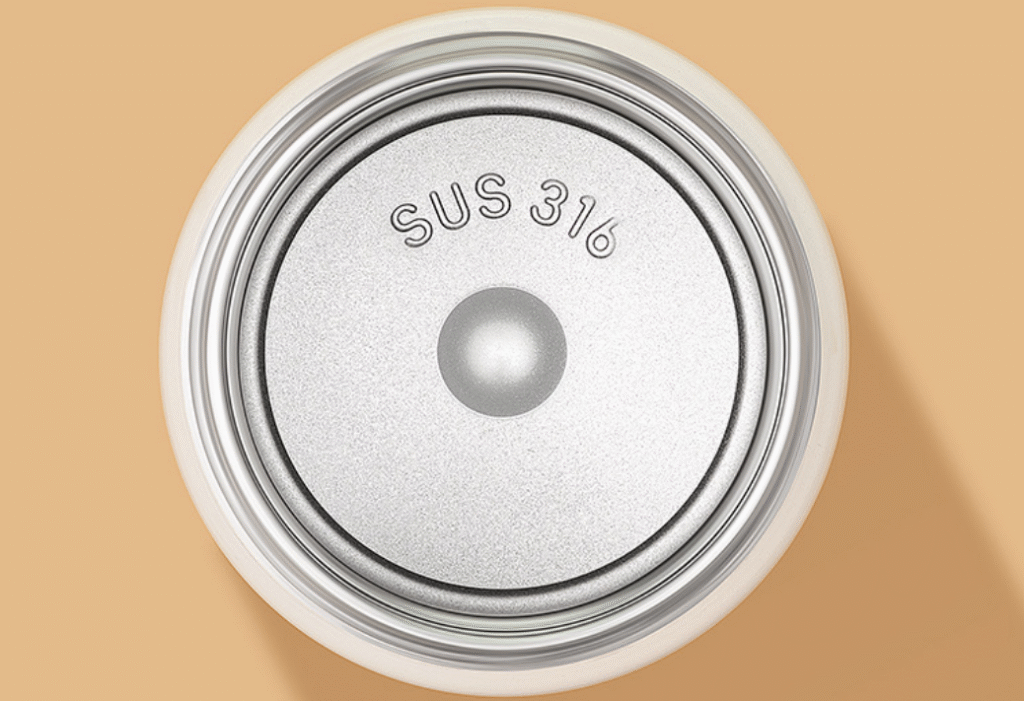
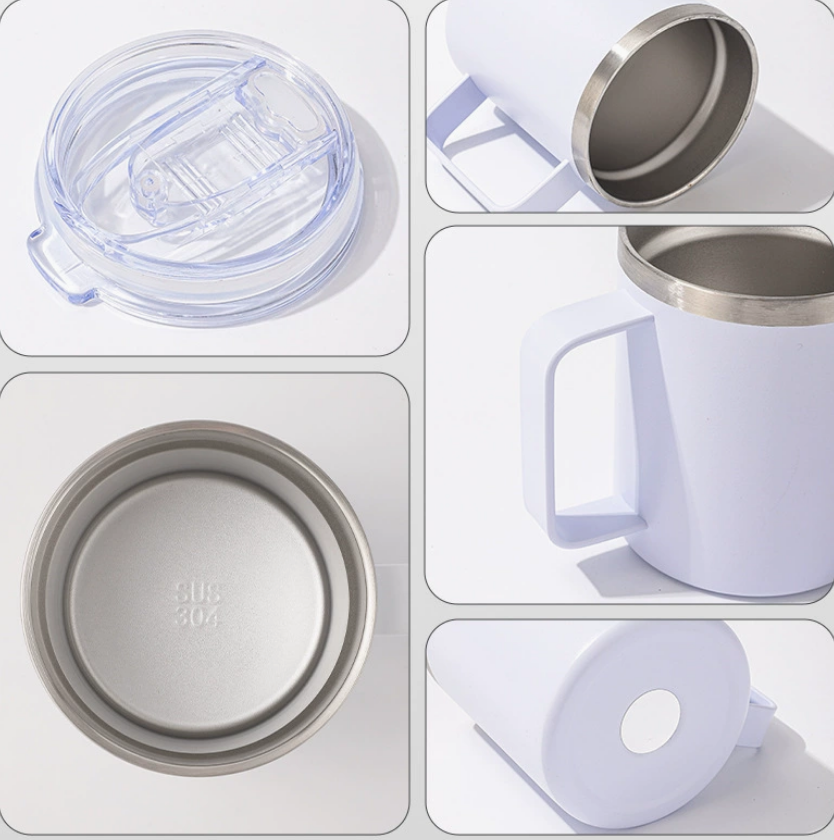
This is one of the most important lessons I learned when I started sourcing materials. Not all stainless steel is created equal. The term you must look for is "food-grade," which usually means 18/8 or 304 stainless steel. The numbers "18/8" refer to its composition: 18% chromium and 8% nickel. The chromium is what makes it rust-resistant, and the nickel adds to its durability and stability. This specific alloy is proven to be non-reactive. It won't react with water, coffee, or even acidic juices like lemonade. When you see a surprisingly cheap steel bottle with no information about its material, you should be cautious. It could be a lower grade of steel that might corrode over time or impart a metallic taste. For a product designer like Emma, specifying food-grade steel is a non-negotiable part of ensuring customer safety and product quality. A slightly more premium option, 316 steel, offers even better corrosion resistance, making it ideal for marine environments or for those who are extra cautious.
| Steel Type | Common Name(s) | Key Feature | Best Use |
|---|---|---|---|
| 304 Stainless Steel | 18/8 | Excellent corrosion resistance, industry standard. | General food and beverage contact. |
| 316 Stainless Steel | Marine Grade | Enhanced corrosion resistance, especially to salt. | Medical use, marine use, premium bottles. |
| Lower Grade Steel | - | Less chromium/nickel, prone to rust and taste. | Not recommended for food contact. |
What Are the Disadvantages of a Stainless Steel Water Bottle?
You love how tough your bottle is, but you've already dented it once. You also notice it’s much heavier than your old plastic bottle, making you question its convenience.
The main disadvantages are that they can dent when dropped, which can break the vacuum seal on insulated models. They are also heavier than plastic and can become hot to the touch in the sun if they are single-walled.
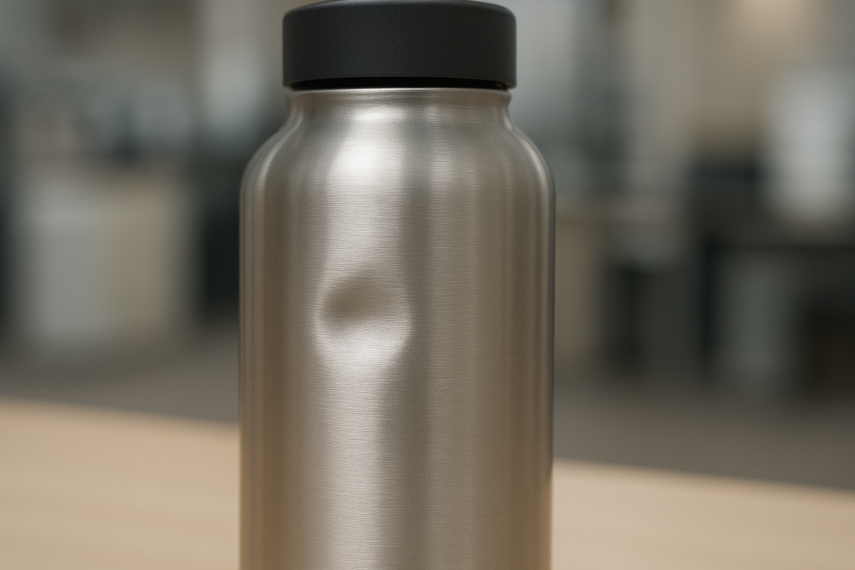
While stainless steel is a fantastic material, it’s not perfect. It's important to be honest about its real-world limitations. The number one complaint I hear is about denting. They are durable, but not indestructible. A hard fall onto concrete can leave a noticeable dent. This is mostly a cosmetic issue, but on a vacuum-insulated bottle, a severe dent can compromise the seal between the inner and outer walls. If this happens, your bottle will lose its ability to keep drinks hot or cold. Another drawback is weight. There is no getting around it; steel is heavier than plastic. For a backpacker counting every ounce or a parent packing a kid's lunch, this extra weight can be a factor. Finally, if you have a non-insulated, single-wall steel bottle, remember that metal conducts temperature. Leave it in a hot car, and the bottle itself will become too hot to touch. For these reasons, a double-wall vacuum insulated model is almost always the better investment, even with the risk of breaking the seal.
Which Metal Is Healthiest for Drinking Water?
You want a metal bottle for its durability but see options made from aluminum, titanium, and steel. It’s confusing, and you want to choose the one that is absolutely the safest.
Food-grade stainless steel is the healthiest and most practical metal for drinking water. Unlike aluminum, it is naturally inert and doesn't require a plastic liner. It offers the same safety as titanium but at a much more affordable price.
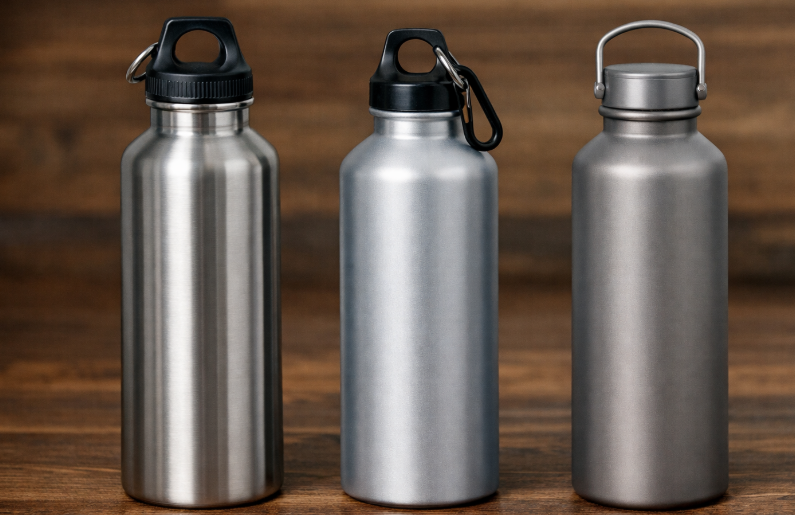
This question comes up a lot when designing a new drinkware line. Let's break down the common metals. First, there's aluminum. It's very lightweight and cheap, but raw aluminum can react with acidic liquids and is not considered safe for direct food contact. Because of this, all aluminum bottles must have an inner lining, which is often made of plastic or an epoxy resin. If this liner gets scratched or damaged, you risk your water coming into contact with the aluminum. Then you have titanium. From a health perspective, titanium is fantastic. It’s completely inert, strong, and even lighter than steel. The only problem is its cost; it is incredibly expensive, which puts it out of reach for most people. This leaves stainless steel as the perfect middle ground. It is naturally safe and requires no liner. It is strong, corrosion-resistant, and affordable. It delivers top-tier safety without the hidden risks of a liner or the extreme cost of titanium, making it the clear winner for everyday health and practicality.
What Is the Healthiest Overall Water Bottle to Drink From?
You've weighed the pros and cons of steel versus other materials. You want a final, simple verdict: what is the absolute best and safest material for your daily water intake?
Both glass and food-grade stainless steel are the healthiest options available. Glass offers absolute purity, while stainless steel provides the same chemical safety with the crucial benefit of being durable, insulated, and shatterproof for an active lifestyle.

After years of working with every material imaginable, it really comes down to these two. They occupy the top tier of health and safety. On one side, you have glass. It is the king of purity. It's completely non-reactive, non-porous, and will never affect the taste of your water. If your bottle never leaves your desk or your nightstand, and you prioritize taste above all, glass is a perfect choice. However, its fragility and weight make it a poor companion for a hike, a gym session, or a daily commute. This is where stainless steel takes the lead. It offers virtually the same level of chemical safety—it’s inert, stable, and won't leach anything into your drink. But it does all this while being tough enough to handle being dropped, thrown in a bag, and used every single day. When you add in the incredible performance of vacuum insulation, stainless steel becomes the most practical and logical choice for a healthy person with a modern, active life.
Conclusion
For a blend of safety, durability, and performance, stainless steel is an excellent choice. It provides peace of mind and is a healthy, sustainable option for your daily hydration needs.