You've found a manufacturer that promises a great price, but you're worried about the quality. A bad partnership can ruin your brand's reputation and cost you thousands in unsellable inventory.
Choose a reliable manufacturer by checking their certifications, communication skills, and specialization. Most importantly, always order a physical pre-production sample to verify the quality of the mug and the printing before placing a bulk order.
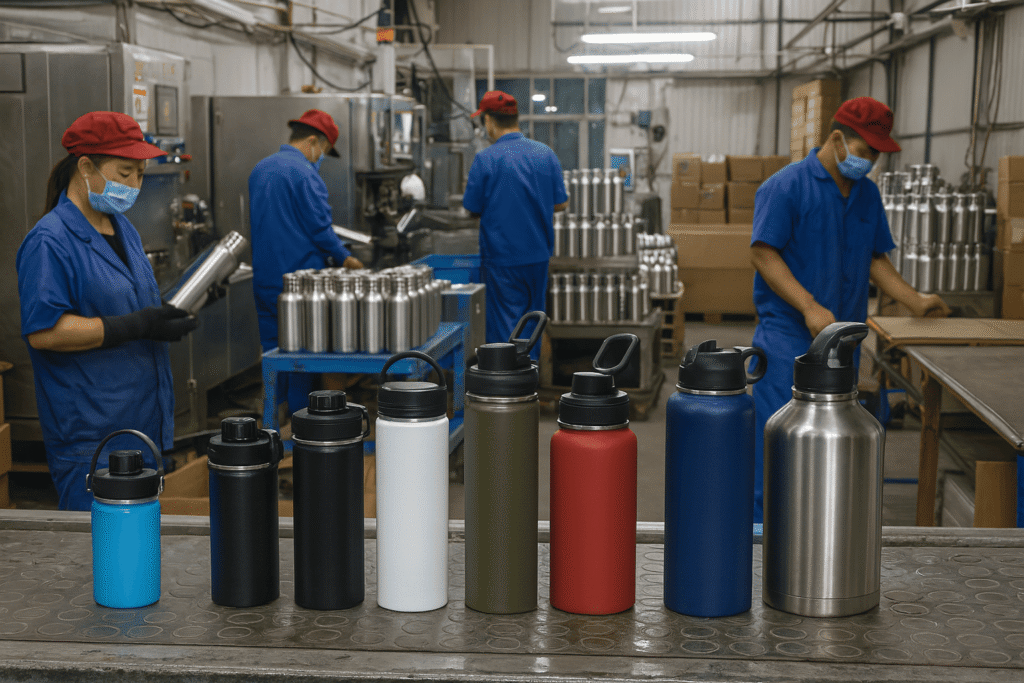
Finding my first reliable manufacturing partner was a turning point in my career. Before that, I dealt with missed deadlines, inconsistent colors, and mugs that chipped if you looked at them the wrong way. It was a nightmare. This process of learning who to trust is something every product designer, like Emma, has to go through. Your brilliant designs are worthless if the final product is poor quality. The manufacturer isn't just a supplier; they are your partner in bringing your vision to life. Let me share what I’ve learned about finding the ones you can truly count on.
Is the Mug Business Profitable?
You see custom mugs everywhere and the market looks saturated. You're wondering if there's any real money to be made, or if you've missed the boat completely.
Yes, the mug business is extremely profitable, but only with the right sourcing strategy. By buying low-cost, high-quality mugs directly from China, you can create a massive margin on every unique design you sell.
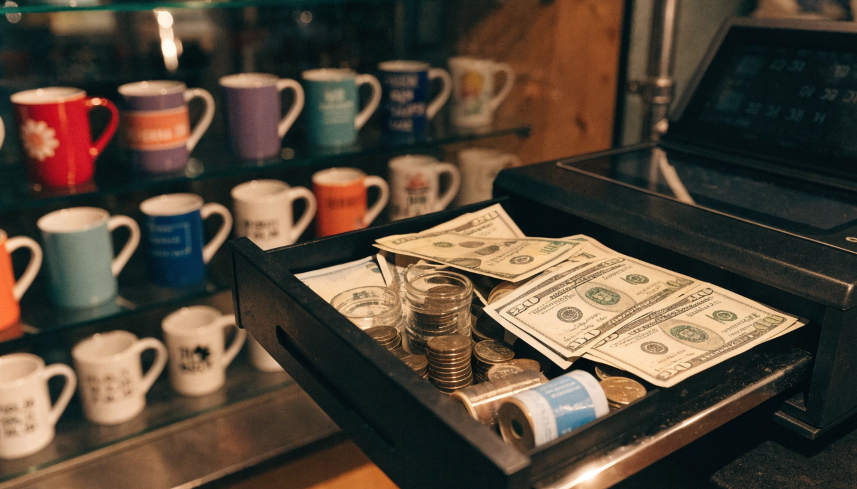
The secret to making money in this business isn't complicated. It’s all about your cost of goods. If you pay too much for your blank mugs, your profit disappears. Sourcing directly from an experienced Chinese manufacturer is the single most effective way to lower your costs. For example, you might get a quality ceramic mug for $1.50 per unit instead of the $5.00 a domestic wholesaler would charge. That difference is pure profit for your business. Your design is what creates the value and justifies a $20 retail price. I've helped countless clients set up this exact supply chain. They focus on creating amazing art, and their manufacturing partner delivers the perfect, low-cost product for that art. This simple partnership is the engine of a profitable mug business.
Who Makes the Best Mugs?
You're searching online for the "best" mug manufacturer, but every website claims to be number one. You need to know how to identify true quality and find a partner who is the best for your specific needs.
The "best" manufacturers are specialists who excel at one thing. Some factories are masters of high-volume ceramic production, while others create premium insulated steel tumblers. Finding the best means matching your product to the factory's expertise.
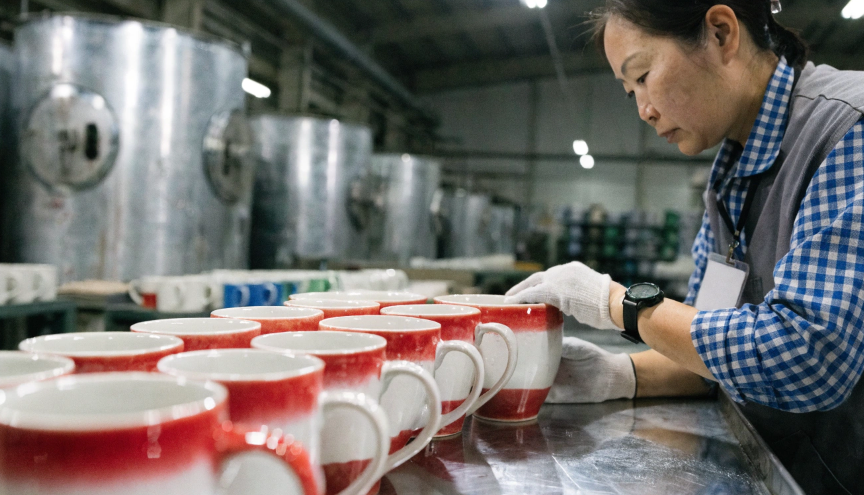
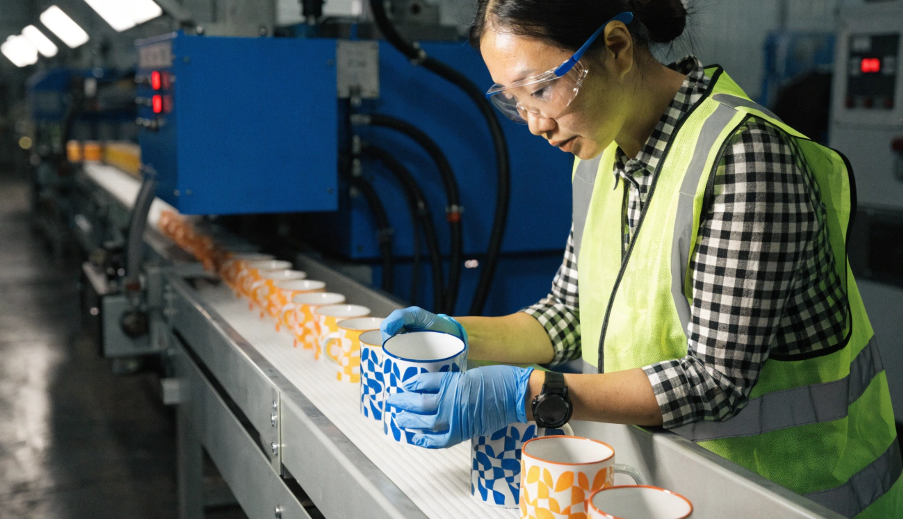
Early in my career, I made the mistake of looking for one factory that could do everything. It doesn't exist. The best manufacturers I work with are all specialists. If a client needs 10,000 standard ceramic mugs for a promotion, I go to a specific partner in Zibo, the heart of China's ceramics industry. If another client, like Emma, designs a high-end travel mug, I contact my partner in Yongkang, the hub for stainless steel. The "best" isn't a single company; it's a factory whose capabilities perfectly match your product's requirements. Look for suppliers with a long history and international quality certifications like ISO 9001. A great partner will be proud of their specialty and transparent about their production process. They want to build a long-term relationship, not just make one quick sale.
How to Vet a Potential Manufacturer
- Ask for Certifications: Request copies of their business license and any quality certifications (ISO, BSCI, etc.).
- Check Their Specialization: Review their main product catalog. Do they focus on your type of product?
- Evaluate Communication: Is their team responsive, clear, and professional in their emails and calls?
- Order a Sample: This is non-negotiable. Get a physical sample of your design before committing to a bulk order.
What Are Common Mug Design Mistakes?
Your design looks perfect on the screen, but when the sample arrives, it's a disaster. The colors are wrong, the text is cut off, and the image is blurry.
Common mug design mistakes include using low-resolution images, placing critical elements too close to the handle or edges, and not accounting for color shifts during the sublimation printing process. Always use the manufacturer's template.

As a designer, Emma knows that a great design is about details. The same is true for printing on a 3D object like a mug. I've seen a few common mistakes sink otherwise brilliant designs. The number one issue is resolution. A 72 DPI image from the web will look terrible when printed. You need 300 DPI vector or high-resolution raster files. The second mistake is placement. Every mug has a "safe area" for printing. Any design element outside this area risks getting distorted or cut off, especially near the handle. Finally, color is crucial. The colors you see on your backlit screen (RGB) will not look exactly the same when printed with ink (CMYK). It's essential to do a test print. A good manufacturer will provide a precise template and can offer advice on color management, but getting a physical sample is the only way to be 100% sure.
| Mistake | Why It's a Problem | How to Fix It |
|---|---|---|
| Low Resolution | Final print looks pixelated and blurry. | Always use 300 DPI files, preferably in vector format. |
| Poor Placement | Text/logos are cut off or warped. | Use the manufacturer's design template and keep key elements in the "safe area." |
| Color Mismatch | Printed colors don't match the screen. | Design in CMYK mode and always order a physical sample to approve colors. |
What Is the Most Durable Mug Material?
Customers are complaining that your mugs are chipping in the dishwasher or breaking easily. Your brand is getting a reputation for poor quality, and returns are eating into your profits.
For maximum durability against drops and travel, nothing beats double-walled stainless steel. For everyday home and office use, a high-quality, thick-walled ceramic or stoneware mug offers excellent durability and chip resistance.
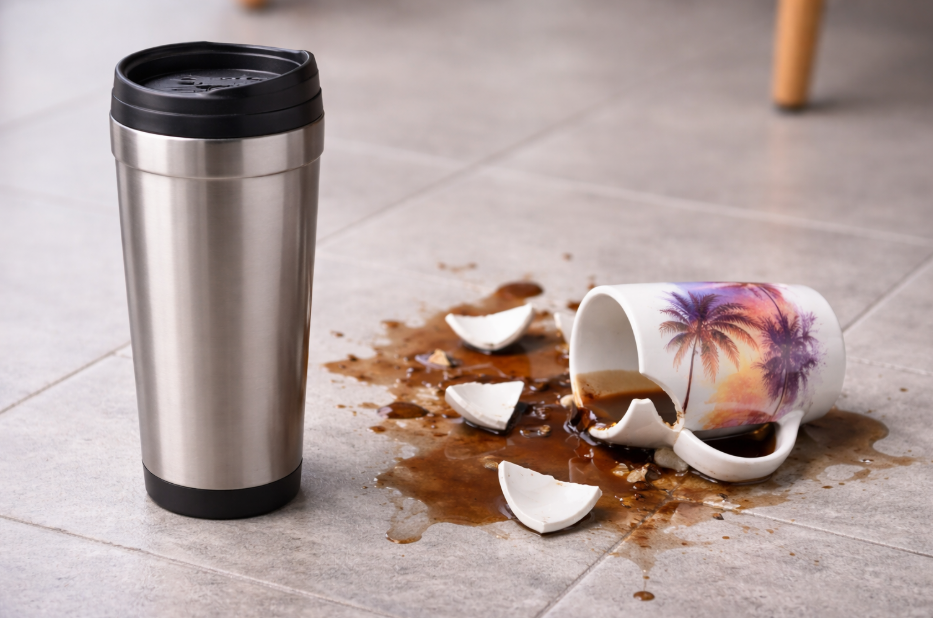
The right material depends entirely on how the mug will be used. You wouldn't take a delicate bone china teacup on a camping trip. For most of my clients who sell general-purpose coffee mugs, a good quality ceramic is the perfect balance of durability, feel, and cost. It's dishwasher and microwave safe and holds up well to daily use. However, if your brand is focused on travel, fitness, or an outdoor lifestyle, then stainless steel is the only real choice. It is virtually indestructible. It won't shatter when dropped, and the sublimation coating on modern steel tumblers is incredibly tough. I once had a client whose ceramic mugs for a "Road Trip" themed brand had a high rate of breakage during shipping. We switched the entire line to stainless steel travel mugs. Their shipping-related damages dropped to zero overnight.
Conclusion
Choosing a reliable manufacturer is about finding a specialized partner. Verify their quality with samples and clear communication to build a foundation for a successful and profitable mug business.