You see bottles everywhere promising to keep drinks cold for 24 hours. You're curious if it's real science or just clever marketing, and what "vacuum insulated" truly means for your daily life.
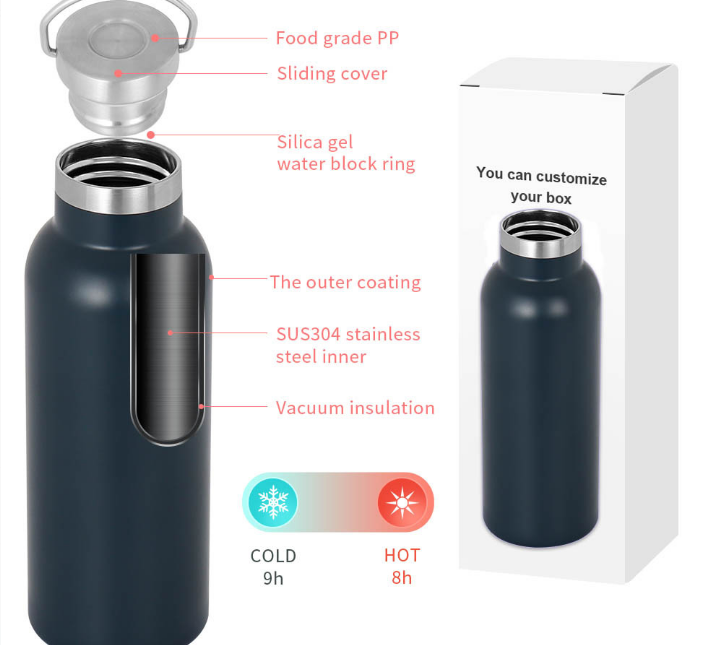
A vacuum insulated bottle uses two walls of steel with the air removed from the space between them. This vacuum stops heat from transferring, keeping the liquid inside hot or cold for hours, independent of the outside temperature.

The world of drinkware has changed completely. When I started, a bottle was just a bottle. Now, people want so much more. They want style, they want personalization, but most of all, they want performance. My clients today ask detailed questions about how a bottle can keep their drink icy cold on a hot summer day. This is why double-wall vacuum insulated stainless steel has become the gold standard. It’s the only technology that reliably delivers the long-lasting temperature control modern lifestyles demand. This shift isn't just about convenience; it reflects a bigger trend of people investing in high-quality products that support their health and daily activities.
What Does a Vacuum Insulated Bottle Do?
You see a bottle that claims to keep ice frozen for a full day. It sounds impossible, and you want to understand the simple science behind this powerful promise.
A vacuum insulated bottle works by creating a barrier that stops heat transfer. It prevents heat from entering a cold drink and escaping from a hot one. This allows your beverage to maintain its original temperature for many hours, regardless of the weather.
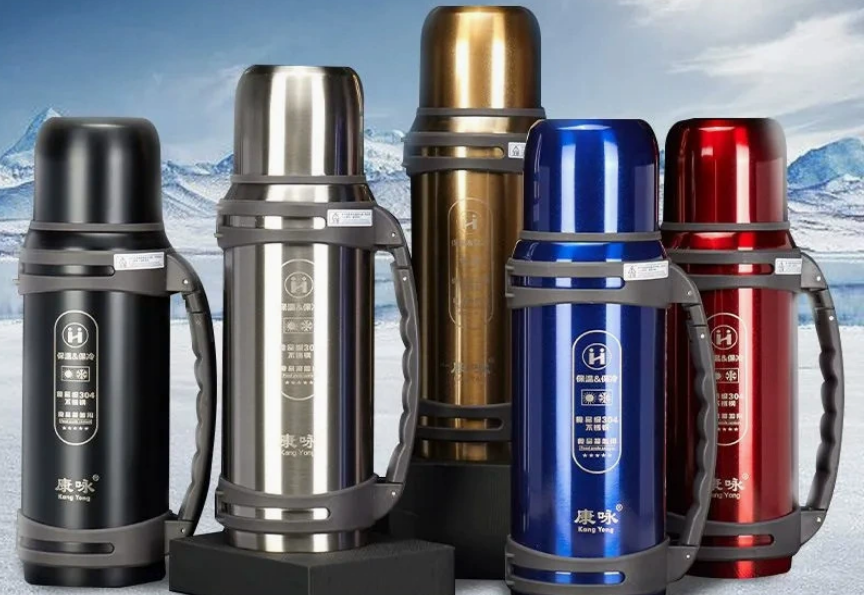
To really understand how this works, you need to know how heat moves. Heat travels in three ways: conduction (through touch), convection (through air), and radiation. A vacuum bottle is cleverly designed to defeat all three. First, the inner and outer walls don't touch, which minimizes heat transfer by conduction. Second, by removing all the air from the space between the walls, it creates a vacuum. With no air, heat cannot travel by convection. This is the most important step. When I first saw this process in a factory, I was amazed. They literally suck the air out and seal it. Finally, many high-end bottles add a copper lining to the inner wall. This layer reflects thermal energy, stopping heat transfer by radiation. It’s this triple-defense system that allows a quality bottle to perform what seems like magic, keeping your coffee hot on a cold morning.
| Heat Transfer Type | How a Vacuum Bottle Stops It |
|---|---|
| Conduction | The inner and outer walls have minimal contact points. |
| Convection | The vacuum between the walls removes the air needed to transfer heat. |
| Radiation | A copper lining reflects thermal energy back to its source. |
What Is the Difference Between Insulated and Vacuum Insulated?
You see products labeled "insulated" and "vacuum insulated." You wonder if there's a real performance difference or if you're just paying extra for a marketing term.
All vacuum bottles are insulated, but not all insulated bottles use a vacuum. "Insulated" can refer to foam or an air gap, which only slow heat transfer. "Vacuum insulated" is far superior because the vacuum almost completely stops it.

This is one of the most important distinctions I explain to my clients. The word "insulated" is very general. Think of a cheap cooler mug; it might have a layer of foam between two plastic walls. The foam traps air, which slows down heat transfer, but it doesn't stop it. Your drink will get warm in an hour or two. Another type is a simple double-wall bottle with just air in between. This is better than nothing, but air still conducts heat, so it’s not very effective. True "vacuum insulation" is in a league of its own. By removing the air, you remove the primary way heat moves from one wall to the other. That's why a vacuum flask can keep drinks hot for 12 hours, while a simple air-gap "insulated" mug might only last for one. When a designer like Emma is sourcing products, understanding this difference is critical to ensuring the final product meets the customer's expectations for performance.
What Should You Not Put in a Vacuum Flask?
You have a great vacuum bottle and you use it for everything. You worry that you might put something inside that could damage it or even be dangerous.
Never put carbonated drinks in a sealed vacuum flask. The pressure from the carbonation can build up, damage the seal, and make it dangerously difficult to open. It is also wise to avoid leaving dairy or fermentable liquids inside for long periods.
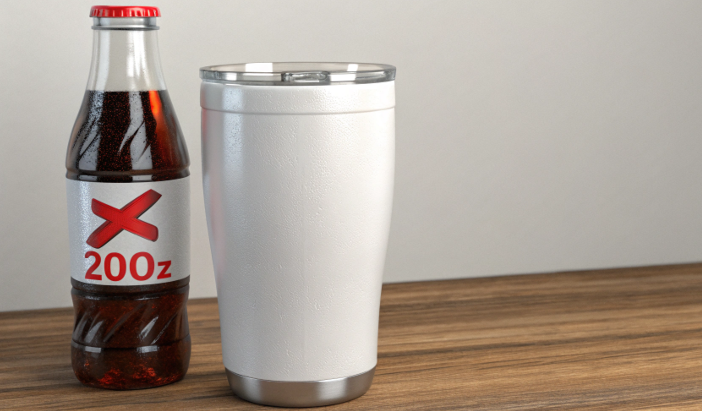
This is a simple rule of physics that is very important for safety. Your favorite soda or sparkling water is full of dissolved carbon dioxide gas. Inside a sealed, airtight container, that gas will escape from the liquid and build up pressure. At best, this will make your bottle extremely hard to open. At worst, the pressure could be strong enough to break the lid's seal or cause it to burst open unexpectedly, creating a huge mess. The same principle applies to anything that ferments, like some fruit juices, or dry ice, which turns directly into a gas. Another thing to be careful with is dairy. You can certainly carry milk in your flask for a few hours, but you shouldn't store it for a long time. The excellent insulation can create a warm environment that is perfect for bacteria to grow, causing the milk to spoil quickly. So, stick to non-carbonated drinks like water, coffee, tea, or juice for the best and safest experience.
How Long Do Vacuum Insulated Bottles Last?
You invested in a good quality vacuum bottle. You wonder if the insulation will wear out over time, and how you can tell if it has stopped working.
The stainless steel body can last a lifetime. The vacuum insulation also lasts forever unless the seal is broken by a severe drop or dent. If you fill the bottle with hot liquid and the outside gets warm, the vacuum is gone and it's a sign it's broken.
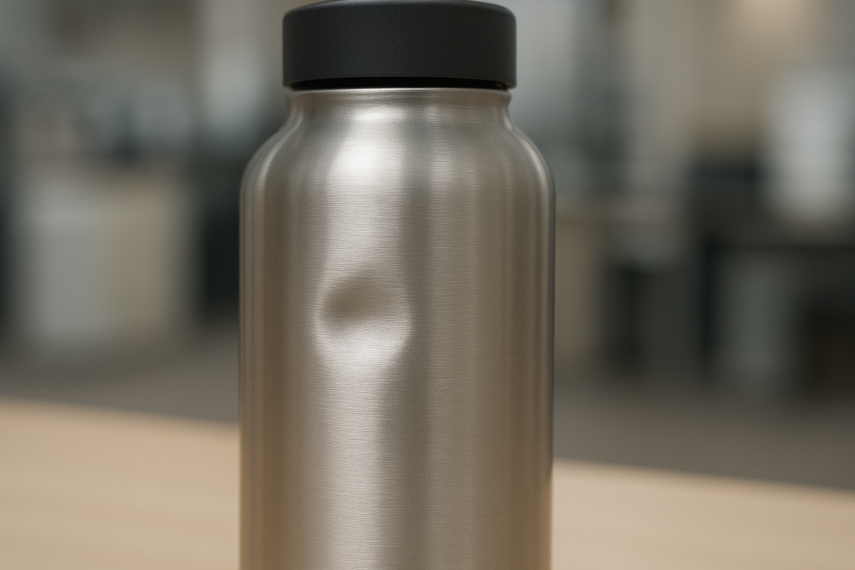
A well-made vacuum bottle is a very durable product. The bottle itself is just steel, so it won't expire. The magic is in the vacuum seal. This seal can only be broken if the bottle suffers a major impact—a big fall onto a hard surface that is forceful enough to dent both the outer and inner walls, creating a tiny channel for air to rush in. Once air gets into that space, the vacuum is lost, and the bottle's insulating power is gone. It just becomes a heavy, regular bottle. There's a simple test you can do: fill your bottle with boiling water and let it sit for five minutes. Carefully touch the outside. If it feels warm or hot, the heat is transferring, and the vacuum seal is broken. If it remains at room temperature, it's still working perfectly. As a side note, this is where material quality is evolving. The standard is tough 304 steel, but now we're seeing more 316 steel. This doesn’t make the vacuum stronger, but it makes the bottle itself more resistant to corrosion over its long life.
Conclusion
A vacuum insulated bottle is a durable tool that uses a vacuum to stop heat transfer. Treat it well, avoid putting the wrong things in it, and it will keep your drinks perfect for years.