You see plastic bottles everywhere for your kids, but you worry about chemicals and microplastics. It feels overwhelming to know which options are truly safe for your child to drink from every day.
The safest plastic bottles for kids are made from high-quality, BPA-free plastics like Tritan. Always check labels and choose reputable brands that are transparent about their materials and safety testing to ensure your child's drink is pure and healthy.
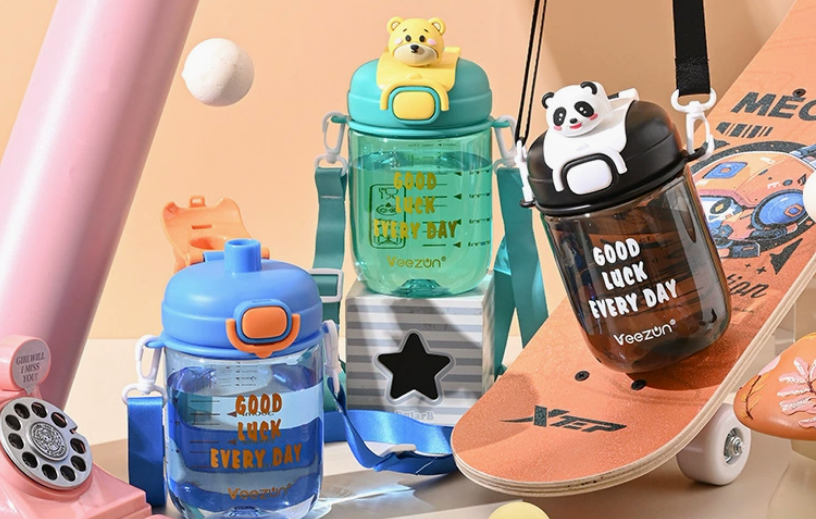
These days, when I create custom bottles for a family event or a school team, the parents ask me about safety more than anything else. It's a huge shift from a few years ago when the main concern was just getting the logo right. Parents want to know exactly what kind of plastic I use, where it's from, and if it's been tested. This has pushed me to source only the best, most reliable materials. I've learned that not all plastics are created equal, and a little knowledge can give parents the confidence they need to make a great choice for their kids.
What are the Healthiest Water Bottles for Kids?
You want the absolute healthiest option for your child. But you know stainless steel can be heavy for a little one to carry, and glass bottles are a disaster waiting to happen.
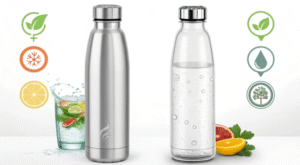
The healthiest water bottles are made from stainless steel or glass. For a practical and kid-friendly option that is lightweight and shatterproof, a bottle made from high-quality, BPA-free plastic like Tritan is the best alternative.
When we talk about "healthy," we are really talking about materials that are stable and don't add anything extra to the water. In my line of work, material purity is key to a quality product.
The Champions of Purity: Steel and Glass
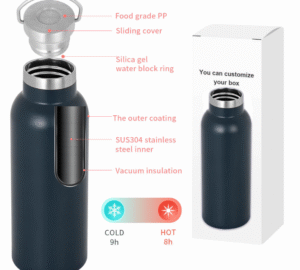
There is no debate that glass is the most inert material you can drink from. It's chemically simple and does not leach anything. Food-grade stainless steel is a very close second, offering incredible stability and safety without the risk of shattering. The main drawbacks for kids are practical ones. A stainless steel bottle, especially an insulated one, can be heavy in a small backpack. And a glass bottle, even with a silicone sleeve, is a risky choice for the playground.
The Practical Choice: High-Quality Plastic
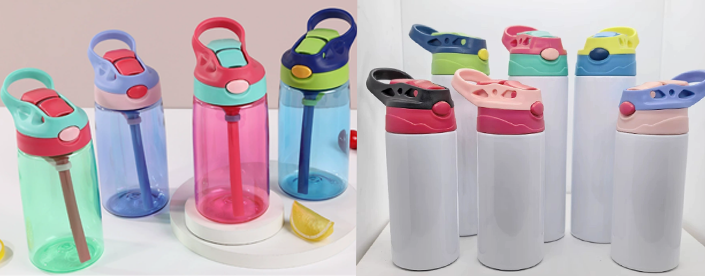
This is where modern, high-quality plastics come in. A material called Tritan is the star of the show. It's a type of copolyester that is durable, lightweight, and completely free of BPA, BPS, and any other bisphenols. It looks like glass but is nearly indestructible. For parents who need a bottle that can survive being dropped, thrown, and lost under a car seat, a well-made Tritan bottle is a fantastic, healthy-enough choice that balances perfect safety with real-world kid chaos.
| Material | Safety | Durability | Weight | Kid-Friendliness |
|---|---|---|---|---|
| Stainless Steel | Excellent | Excellent | Heavy | Good |
| Glass | Excellent | Poor (shatters) | Medium | Poor |
| Tritan Plastic | Very Good | Excellent | Light | Excellent |
Which Plastic Water Bottle Brand is the Safest?
You're in the store, overwhelmed by an entire wall of bottles. They all have cute designs and say "BPA-Free," but you have no idea which brand you can actually trust with your child's health.
The safest brands are those that are transparent about their materials, use third-party testing, and have a long history of quality. Brands like CamelBak Kids, Contigo, vivimug and Nalgene are widely trusted for their commitment to using safe, high-quality plastics.

While I can't recommend just one brand, I can share what I've learned about how to spot a good one. It's what I do when sourcing products for my own business. You need to look past the marketing and become a bit of a detective.
Look for Transparency
A trustworthy brand isn't afraid to tell you exactly what its products are made of. Look on their website or the product packaging. Do they just say "plastic," or do they specify "Eastman Tritan™ Copolyester"? Vague answers are a red flag. Reputable companies are proud of the high-quality materials they use and will gladly provide information about their safety testing and compliance with FDA standards.
Trust Reputation and Reviews
A company with a long-standing reputation has more to lose. Brands that have been popular with families and outdoor enthusiasts for years often have more rigorous quality control because their entire business depends on being trustworthy. Read reviews from other parents. They are often brutally honest about whether a bottle leaks, breaks, or develops a strange plastic taste over time—all clues about the quality of the material. A safe brand is one that consistently earns praise for its durability and performance.
What is the Best Material for a Water Bottle for Kids?
Your toddler needs something easy to hold and spill-proof. Your ten-year-old needs a bottle that can survive soccer practice. You know that a single "best" bottle probably doesn't exist for all situations.
The best material depends on your child's age and how they'll use it. Lightweight BPA-free plastic is ideal for toddlers. For older kids, insulated stainless steel is great for keeping drinks cold and handling rough use at school.

Matching the bottle to the child is something I advise my clients on all the time. A design that works for a five-year-old might be totally wrong for a teenager. The same is true for the material.
For Toddlers and Preschoolers (Ages 1-4)
At this age, the priorities are: lightweight, easy to hold, and absolutely shatterproof. This is where high-quality Tritan plastic really wins. It's light enough for tiny hands to manage, and it can withstand being dropped (or thrown) from a high chair a dozen times a day. Look for designs with simple, leak-proof straws or spouts they can operate themselves.
For Elementary School Kids (Ages 5-10)
Kids in this range can handle more weight and responsibility. An insulated stainless steel bottle is an excellent choice. It will keep their water cold all day in a stuffy classroom and is rugged enough to survive the school bus and playground. Plastic is still a great, lighter-weight option, especially for carrying in a backpack that's already heavy with books.
For Active Kids and Sports
For sports, you need something that's both durable and functional. A squeezable plastic bottle (made from BPA-free LDPE plastic) is great for quick drinks during a game. A tough Tritan bottle with a good spout is also a perfect, lightweight choice that can be clipped onto a sports bag.
What are the Best Bottles to Avoid Microplastics?
You hear alarming news about microplastics in our water and food. The idea of your child drinking tiny plastic particles from their own water bottle is a huge concern.
To completely avoid microplastics, choose water bottles made from glass or stainless steel, as these materials do not shed particles. If using plastic, minimize shedding by hand-washing, avoiding harsh scrubbing, and replacing bottles that become old and scratched.
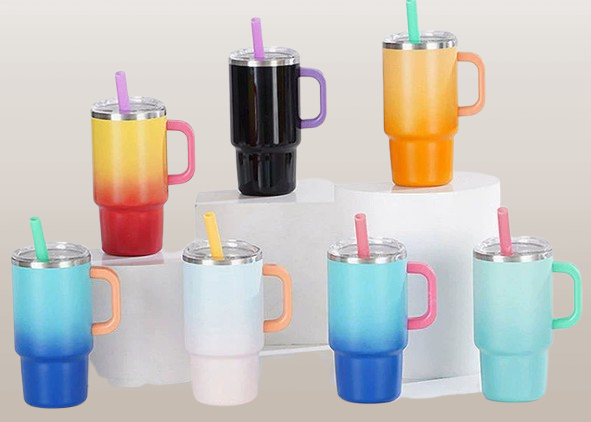
The worry about microplastics is very real, and it’s something we take seriously when considering the longevity of the custom products we make. The good news is that there are clear ways to reduce your child's exposure.
The Guaranteed Solution: Non-Plastic
This is the simplest answer. Glass and stainless steel do not contain plastic, so they cannot shed microplastics. If this is your number one concern, then choosing one of these materials provides complete peace of mind. Your water will be as pure as it was when it went into the bottle.
How to Minimize Risk with Plastic Bottles
Many families rely on plastic for its convenience, and you can take steps to make it safer. Microplastic shedding increases with damage and heat. Therefore, you should always hand-wash plastic bottles with a soft cloth or sponge and mild soap. Avoid abrasive scrub brushes that create tiny scratches on the surface. Never use the high-heat sanitizing settings on a dishwasher. It's also important to replace any plastic bottle that is old, cloudy, or has a lot of deep scratches inside. Following these simple care instructions can significantly reduce the potential for particles to be released into your child's drink.
Conclusion
Choosing a kid's bottle is a balance of safety and real life. Opt for trusted materials like stainless steel or high-quality plastic, and care for them properly to ensure a healthy drink.