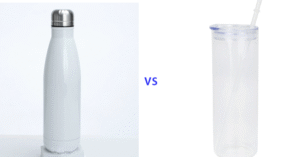
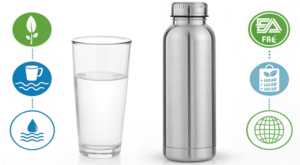
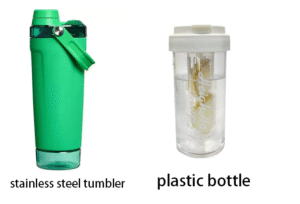
Your corporate gifts often end up in the trash, wasting money and hurting your brand's image. Eco-friendly drinkware offers a sustainable, memorable solution that clients will actually use daily.
Eco-friendly drinkware makes the perfect corporate gift because it's practical, reusable, and carries a strong message about your company's commitment to sustainability. Items like stainless steel tumblers or glass bottles offer high perceived value and long-lasting brand exposure with every use.
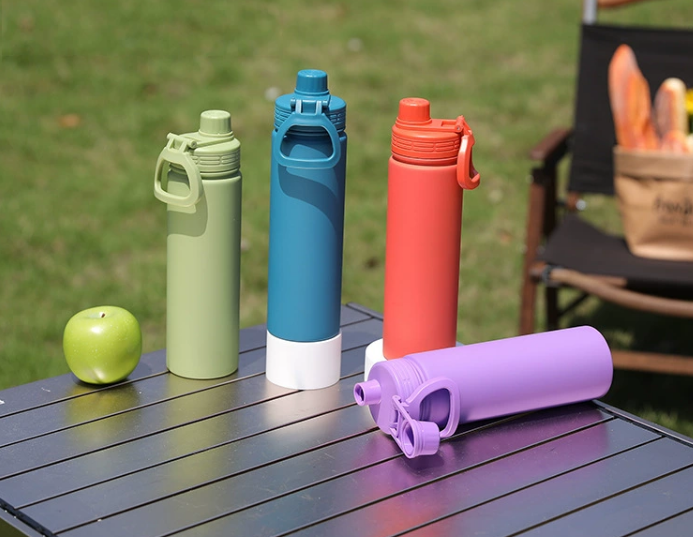
I once had a client from a big tech company come to me for a last-minute order for a huge conference. They were desperate to get away from the cheap plastic water bottles and stress balls they had given out for years. They realized those items went straight into the hotel trash can. We talked about what makes a gift truly valuable. It's not about the price tag; it's about usefulness and making a statement. We designed a sleek, insulated tumbler with their subtle logo. The feedback was incredible. It showed me that a well-chosen, sustainable gift isn't just a giveaway; it's a conversation starter about your brand's values.
How to Choose the Right Corporate Gift?
Choosing a corporate gift feels like a gamble. You want something impressive, not just another desk-filler. A poor choice wastes budget and diminishes your brand's impact.
To choose the right corporate gift, focus on three factors: Is it useful for the recipient's daily life? Does it reflect the high quality of your brand? And does it align with your company's core values, such as sustainability?

When a designer like Emma comes to me with a project, we don't just talk about colors and logos. We talk about the purpose of the gift. The goal is to give someone an item that becomes a favorite part of their day. To achieve that, we always break it down into three simple questions.
1. Is it Genuinely Useful?
A great gift solves a problem or fits into a daily routine. Almost everyone drinks coffee, tea, or water throughout the day, whether at their desk, in the car, or at the gym. A high-quality water bottle or travel mug is immediately useful. Unlike a generic pen or a quirky desk toy, drinkware won't end up in a drawer. It gets used every single day, putting your brand in your client’s hand constantly.
2. Does it Represent Your Quality?
The gift you give is a physical representation of your brand. A flimsy, cheap-feeling gift sends a message that your services might be cheap, too. The solid, satisfying heft of a stainless steel tumbler or the crystal clarity of a borosilicate glass bottle suggests quality, durability, and attention to detail. It says you care enough to give the very best.
3. Does it Align with Your Values?
If your company talks about innovation, community, or sustainability on your website, your gifts should reflect that. Giving a single-use or disposable item while claiming to be eco-conscious creates a disconnect. A reusable, eco-friendly gift reinforces your message. It proves that your company values are not just words on a page; they are part of everything you do.
What is the Most Environmentally Friendly Container?
You want to make a truly green choice. But with so many "eco" labels, it's hard to know what's real. Choosing the wrong material can feel like a step backward.
The most environmentally friendly container is one that is reused hundreds of times. For drinkware, glass and food-grade stainless steel are top contenders. Both are highly durable, endlessly recyclable, and free from harmful chemicals, minimizing their long-term environmental impact.
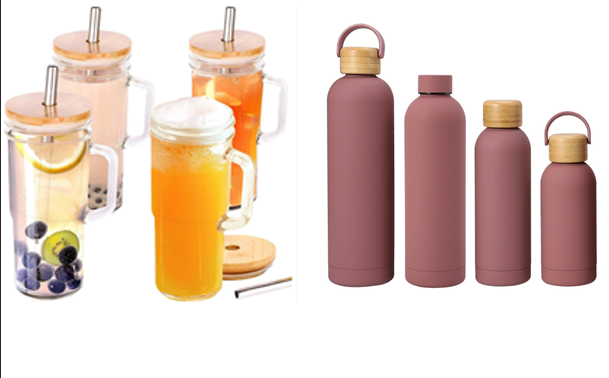
In my factory, I work with different materials every day, and I see how they perform over time. The "eco-friendly" label can be tricky, but it really comes down to the full lifecycle of the product, from creation to disposal.
The Lifecycle of Drinkware Materials
| Material | Durability (Lifespan) | Recyclability | Key Benefit | Key Drawback |
|---|---|---|---|---|
| Stainless Steel (18/8) | Excellent (Decades) | Excellent (Widely recycled) | Unbeatable toughness | Higher energy to produce |
| Glass | Fair (Can shatter) | Infinite (No quality loss) | Absolute purity | Fragility limits use |
| Bamboo Fiber | Good (Years) | Poor (Often mixed with resin) | Renewable resource | Not always compostable |
| Recycled Plastic (rPET) | Good (Years) | Good (Can be downcycled) | Reduces plastic waste | Less durable than steel/glass |
Food-grade stainless steel is my top recommendation for corporate gifts. Yes, it takes energy to create it initially, but its incredible durability means one tumbler can replace thousands of disposable cups. It is a "buy it for life" item. Glass is the champion of purity and can be recycled forever without losing quality, but its tendency to break makes it a riskier choice for a gift that needs to be shipped and used on the go. Bamboo is a great renewable resource, but many bamboo fiber cups are mixed with melamine resin, which makes them difficult to recycle. Always check the composition.
What Type of Packaging is Most Environmentally Friendly?
You have the perfect eco-friendly gift. Then you see the packaging: layers of plastic and styrofoam. This contradiction completely ruins your sustainable message and looks terrible.
The most environmentally friendly packaging is minimal and made from recycled or compostable materials. Uncoated, recycled cardboard boxes, paper-based fillers like crinkle paper, and soy-based inks are excellent choices that protect the product while minimizing environmental harm.

As someone who ships products every day, I can tell you that packaging makes a huge first impression. Opening a box filled with plastic wrap and styrofoam peanuts feels old-fashioned and wasteful. Today, a premium "unboxing experience" is all about clean, clever, and conscious materials. My advice is simple: use less stuff, and make sure the stuff you use is from the earth and can return to it. We guide our clients to use custom-fit boxes, which dramatically reduces the need for any filler at all. If filler is needed, we opt for recyclable crinkle paper or innovative new materials like mushroom-based packaging. It protects the product perfectly and shows a deep commitment to sustainability, right down to the last detail. Printing logos on the box with water or soy-based inks is another small touch that clients who value sustainability really notice and appreciate.
How to Wrap Gifts Eco-Friendly?
You want your gift to look special. But that glossy, glittery wrapping paper is incredibly wasteful. It's used for minutes and then spends centuries in a landfill.
Wrap gifts eco-friendly using recyclable or reusable materials. Opt for simple Kraft paper, which can be recycled. For a more elegant touch, use the Japanese Furoshiki technique with a branded piece of fabric, like a tea towel, that becomes part of the gift itself.
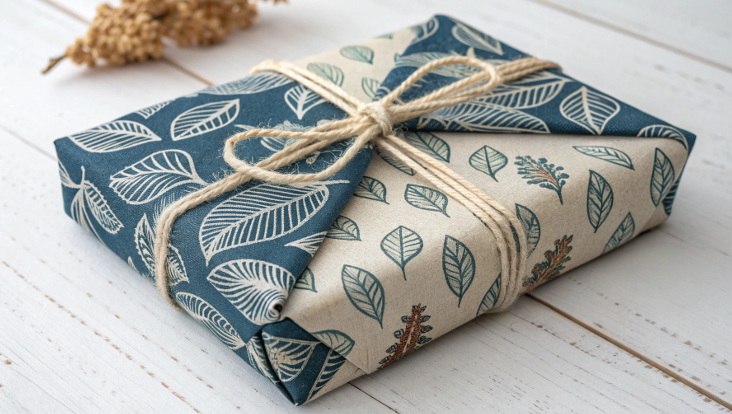
The final presentation of a gift is crucial. It’s the last chance to reinforce your brand's message. Thankfully, eco-friendly wrapping can be even more beautiful and memorable than traditional options.
Use Recyclable or Reusable Materials
- Kraft Paper: This humble brown paper is your best friend. It’s 100% recyclable and provides a beautiful, rustic canvas. Instead of plastic tape, you can use paper tape or tie the gift with natural twine made of jute or cotton. A custom stamp with your company logo using soy-based ink adds a personal, high-end touch.
- Furoshiki (Fabric Wrapping): This is my favorite technique for high-value clients. Furoshiki is the Japanese art of wrapping items in cloth. You can use a beautiful piece of fabric, like a custom-printed cotton bandana or linen tea towel, to wrap the gift box. It looks incredibly elegant, and the wrap itself becomes a second gift. It is the ultimate expression of zero-waste gifting.
Add Natural Embellishments
Finally, skip the plastic bow. A simple, natural accent can make your gift look stunning. A sprig of dried rosemary or lavender, a cinnamon stick, or a small, fragrant pinecone tucked into the twine adds a touch of nature and sophistication that a plastic bow could never match.
Conclusion
A thoughtful eco-friendly gift, from the stainless steel tumbler to the recycled paper wrap, sends a powerful message. It shows you value quality, sustainability, and your client relationship.