You want what's safest for your child, but the bottle aisle is overwhelming. You hear scary things about plastic, but the thought of your toddler dropping a glass bottle is terrifying.
For infants at home, glass is the purest choice. For active toddlers and kids on the go, modern, high-quality plastic bottles (like Tritan or PPSU) are safer and more practical due to their durability and light weight.
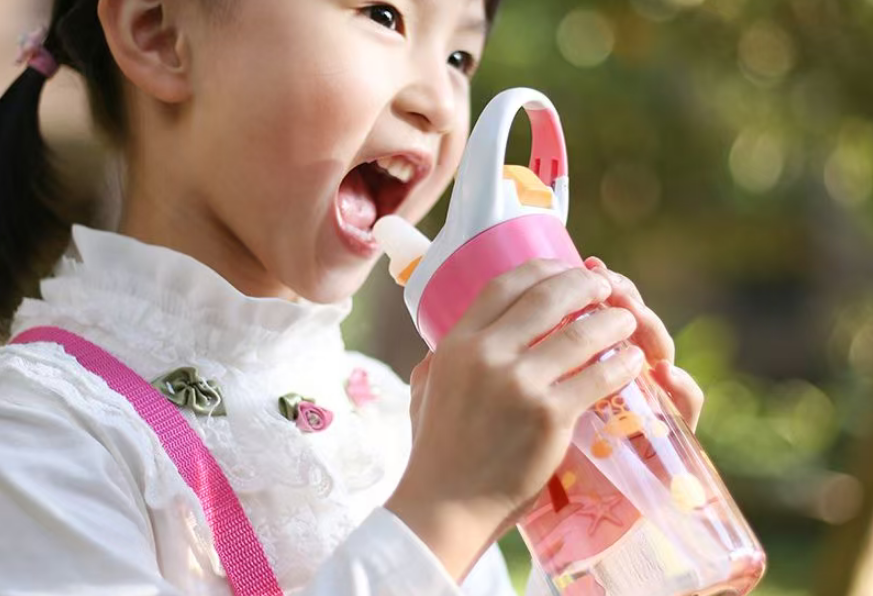
This is probably one of the most emotional choices a parent has to make, and it's a conversation I have all the time with clients developing new product lines for families. A designer like Emma isn't just creating a bottle; she's creating something a parent has to trust completely. When I started my business, the focus was all on cost. Now, safety and practicality are everything. The truth is, there isn't one "perfect" bottle. The best choice for your family changes as your child grows and your needs evolve. It's about matching the right material to the right stage of life.
Are Glass Bottles or Plastic Bottles Better for Your Kids?
You see both glass and plastic options everywhere, each claiming to be the best. You're left feeling confused and anxious, wanting to make the right choice but not knowing which way to turn.
Glass is better for purity, making it ideal for newborns and at-home use where breakage risk is low. As kids become active, shatterproof, high-quality plastics become the better, more practical choice for daily adventures.

The best way to answer this is to think about your child's age. For a newborn, who isn't holding their own bottle, purity is the number one priority. Glass is king here. It's completely inert, meaning nothing can ever leach into the milk or formula. It’s also incredibly easy to sterilize with high heat. Many parents use glass bottles with a protective silicone sleeve, which helps with grip and gives some protection against minor bumps. But the moment your child starts to move, grab, and throw things, the calculation changes. The risk of a dropped glass bottle shattering becomes a real safety hazard. This is when modern, safe plastics like Tritan or PPSU become the better option. They are lightweight, easy for little hands to hold, and virtually unbreakable. They provide that crucial peace of mind when you're at the park, in the car, or just dealing with a clumsy toddler.
| Stage | Best Material | Key Reason |
|---|---|---|
| Newborn (0-6 months) | Glass | Absolute Purity & Easy Sterilization |
| Infant (6-12 months) | Glass or Plastic | Transition phase, depends on parent comfort |
| Toddler (1-3 years) | High-Quality Plastic | Durability & Physical Safety (shatterproof) |
| Young Child (4+ years) | High-Quality Plastic | Lightweight for school, sports, and travel |
Do Pediatricians Recommend Glass Bottles?
You trust your pediatrician's advice above all else. You want to know what the medical experts think, cutting through the marketing and getting straight to the health and safety facts.
Yes, many pediatricians recommend glass bottles, especially for infants, because of their chemical purity. However, they also approve of high-quality, BPA-free plastic bottles, recognizing that their shatterproof nature offers a different, but equally important, kind of safety.

When you talk to a pediatrician, their primary concern is risk management. They look at the whole picture. From a purely chemical standpoint, glass is the perfect, "gold standard" material. It’s made from sand, it's stable, and you never have to worry about leaching. This is why it gets a strong recommendation for the newborn stage. However, a pediatrician also has to consider real-world family life. They know parents are exhausted and that toddlers are chaotic. The risk of a parent dropping a glass bottle during a 3 AM feeding, or a toddler throwing one across the kitchen, is real. Sharp, broken glass is a significant injury risk. That's why they also endorse high-quality modern plastics. When a bottle is certified to be free of BPA, BPS, and phthalates, and made from a durable material like PPSU or Tritan, pediatricians recognize it as a safe and highly practical option that eliminates the hazard of breakage. Their recommendation balances chemical safety with physical safety.
Why Are Parents Switching to Glass Bottles?
You notice a trend among your friends and online: more and more families are choosing glass. You feel a bit of pressure, wondering what they know that you don't and if you're missing out.
Parents are switching to glass for complete peace of mind. They want to 100% avoid any potential chemical exposure from plastics. They also prefer glass because it doesn't stain, absorb odors, or get cloudy over time, making it a sustainable, long-lasting investment.

The movement back to glass is driven by a few powerful factors. The number one reason is the desire for absolute chemical purity. While modern plastics are much safer than they used to be, some parents simply don't want to worry about it at all. They don't want to research different types of plastic or wonder about "the next BPA." With glass, there is no question. It's pure, simple, and has been trusted for centuries. Another huge factor is durability of quality. Plastic bottles, even good ones, can get scratched and cloudy over time. They can also hold onto the smell or color of milk or juice. Glass, on the other hand, stays crystal clear. You can wash it a thousand times, and it looks brand new. It feels like a more permanent, high-quality item. Finally, there's the environmental angle. Glass feels like a more sustainable and natural choice than plastic, aligning with a desire to reduce plastic use in general.
Conclusion
The best choice depends on your family's needs. Use glass for ultimate purity at home with infants, and choose high-quality, shatterproof plastic for active toddlers, school days, and family adventures.