You see dozens of water bottles online, from cheap to expensive. You wonder what the real difference is, and if spending more on a "double-wall" bottle is actually worth it.
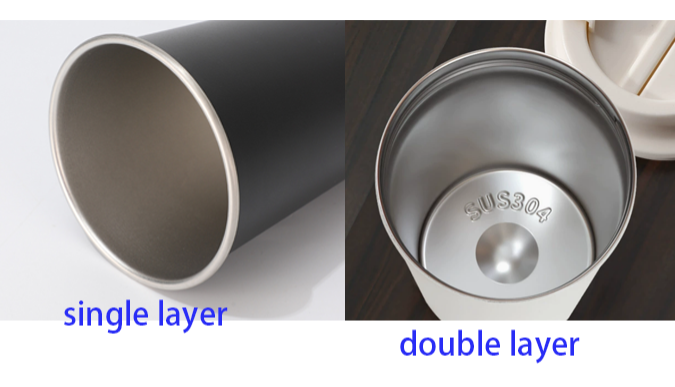
Double-wall bottles use two layers with a vacuum in between to insulate drinks, keeping them hot or cold for hours. Single-wall bottles are made of one lightweight layer and do not insulate, making them best for room-temperature liquids and portability.
Years ago, my business was all about making tumblers look great with sublimation printing. But recently, my clients are asking smarter questions. They want to know more than just colors and designs. They ask about the steel grade, the lid's safety, and the wall structure. It's a shift I love to see. People are realizing that a bottle isn't just a container; it's part of their daily wellness routine. Choosing the right one should be about long-term value and how it supports a healthy life, not just about the price tag or a flashy design. It's our job as designers and producers to guide them to the best choice for their needs.
Is a Single-Wall or Double-Wall Bottle Better?
You need to choose a bottle, either for yourself or for a corporate gift. You're afraid of picking the wrong type, resulting in a gift that nobody uses.
Neither type is universally "better." A double-wall bottle is better for temperature control, perfect for your morning coffee or ice-cold water. A single-wall bottle is better for its light weight and simplicity, ideal for the gym or short trips with room-temperature drinks.
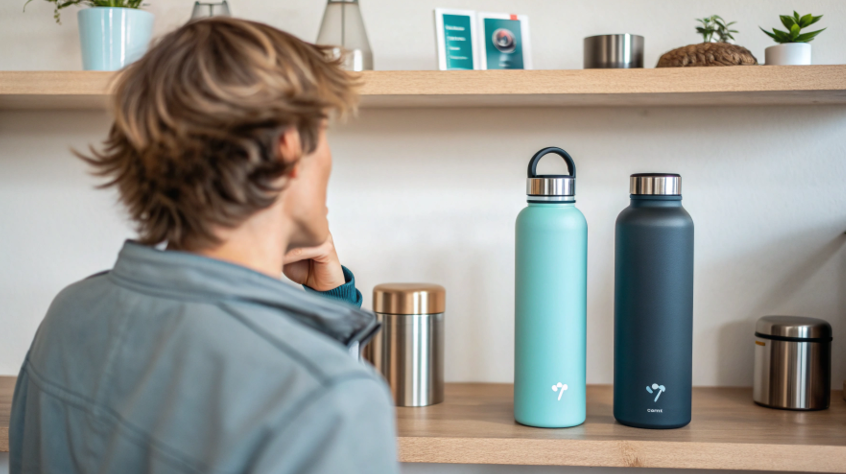
The most important question I ask my clients is: "What will you use this for every day?" The answer determines everything. For a product designer like Emma, getting this detail right is the difference between creating a beloved daily-use item and something that gathers dust. A beautiful, heavy, double-wall bottle is a poor choice for a long-distance runner who counts every ounce. Likewise, a sleek single-wall bottle that sweats all over a desk and doesn't keep coffee warm is a failure for an office worker. The "better" bottle is the one that flawlessly fits the user's lifestyle. It's about function first. Thinking about that long-term value means matching the product's structure to its intended purpose.
| Feature | Single-Wall Bottle | Double-Wall Bottle |
|---|---|---|
| Insulation | None. | Excellent (Keeps liquids hot/cold). |
| Weight | Very lightweight. | Heavier due to two layers. |
| Best For | Room temp liquids, gym, short hikes. | Coffee, tea, ice water, all-day use. |
| Condensation | Yes, will "sweat" with cold drinks. | No, vacuum stops condensation. |
| Cost | Generally lower. | Generally higher. |
| Durability | Good, but can dent more easily. | Very good, more rigid structure. |
What Exactly Is a Double-Wall Bottle?
You see the term "double-wall vacuum insulated" everywhere. You know it keeps drinks cold, but you're not sure how it actually works or what makes a good one so effective.
A double-wall bottle is constructed with an inner wall and an outer wall. The air in the space between these two walls is removed, creating a vacuum. This vacuum layer is a very poor conductor of heat, which prevents the outside temperature from affecting the liquid inside.

When I first worked in a factory, I was fascinated by this process. It seemed like magic. But the science is simple and brilliant. Heat can travel in three ways: conduction (through touch), convection (through air), and radiation. A double-wall bottle defeats the first two. Because the inner and outer walls don't touch (except at the weld point at the top), conduction is minimal. And since there's no air between the layers, there's no way for convection to transfer heat. This is why a quality bottle can keep ice solid for an entire day, even in a hot car. As a printer, I only work with the outer wall, but understanding what's inside is critical to respecting the product. A good vacuum seal is everything. If that seal is broken, the bottle loses all its insulation power and just becomes a heavy, regular bottle.
How Does a Bottle's Structure Affect Its Durability and Safety?
You assume all stainless steel bottles are tough and safe. But you worry that a cheaper model might dent easily, use unsafe materials, or even rust over time.
A bottle's structure is key to its performance. A double-wall construction is naturally more rigid and dent-resistant. For safety, it’s critical that the steel touching your drink is food-grade, typically 18/8 (or 304) stainless steel, which is resistant to rust and flavor transfer.

This is where you separate the good from the bad. The structure provides strength. A single-wall bottle is just one layer of metal. It's strong, but a good drop can leave a nasty dent. A double-wall bottle has a two-layer structure, which makes it inherently more durable and resistant to dings. Think of it like an industrial tank; its walls have to be a specific thickness and quality to be considered safe and reliable. Your bottle should be no different. The material is just as important. The standard for premium drinkware is 18/8 stainless steel. The "18/8" refers to its composition: 18% chromium and 8% nickel. This makeup makes it highly resistant to rust and corrosion and ensures no metallic taste leaches into your water. Cheaper bottles might use lower-grade steel or even aluminum, which can affect the taste and long-term safety. This is the kind of detail I obsess over, because quality you can trust is the foundation of a product that people will love for years.
What Is a Single-Wall Bottle?
You see these simple, lightweight bottles everywhere, from brand giveaways to outdoor stores. They're often cheaper, and you wonder if they're a good, practical choice or just a low-quality one.
A single-wall bottle is made from a single layer of material, most often stainless steel, aluminum, or plastic. It does not have any insulating properties, so it is best used for carrying room-temperature liquids when light weight and simplicity are your top priorities.

Don't dismiss the single-wall bottle! It has an important place. In fact, for certain situations, it's the superior choice. Think about going to the gym. You just need to carry water that you'll drink within the hour. A heavy, insulated bottle is unnecessary. A single-wall stainless steel bottle is perfect: it's light, durable, easy to clean, and won't hold onto flavors from yesterday's drink. The main things to remember are its limitations. Because it has no insulation, it will "sweat" with condensation if you fill it with a cold drink on a humid day. And you absolutely should not put hot liquids in a single-wall metal bottle; the heat transfers instantly, and you could burn your hand. For a designer like Emma, these limitations are creative challenges. If designing a single-wall bottle for a coffee brand, it would need a cork or silicone sleeve to make it usable. The simplicity of a single-wall bottle also makes it a great canvas for customization at a more accessible price point.
Conclusion
Choosing between single and double-wall isn't about which is better, but what's right for you. Match the bottle's structure to your daily needs to find a valuable, long-lasting wellness tool.