Choosing a mug seems simple, but getting it wrong can ruin your morning coffee. Glass looks clean but gets hot, while ceramic holds heat but can absorb stains over time.
Ceramic mugs are generally better for hot drinks like coffee due to their superior heat retention. Glass mugs are completely non-porous, making them excellent for taste purity and showcasing drinks where appearance matters, like lattes or iced tea.

From my years on the factory floor to running my own business, I've seen countless mugs. The choice between ceramic and glass is a classic one that highlights a shift in what people want. Today, it’s not just about a container for a drink. People want safety, style, and performance. As health awareness grows globally, customers are asking smarter questions. A product designer like Emma has to consider this: a ceramic mug is a canvas for custom art, a workhorse. A glass mug is sleek, modern, and pure. Helping someone choose the right one means understanding their daily habits and what they value most.
Are Ceramic Mugs Really Better Than Glass Mugs?
You love a hot cup of coffee that stays warm. You see stylish glass mugs but worry your drink will get cold instantly, making you question if they are a practical choice.
For keeping drinks hot, yes, ceramic mugs are better. The thicker, more porous nature of ceramic material makes it a better insulator than glass, which loses heat very quickly. However, for taste and easy cleaning, glass is superior.

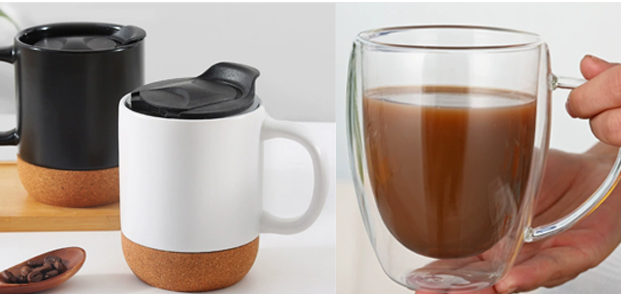
Let's talk about the science in a simple way. Heat retention is the number one reason people stick with ceramic. When you pour hot coffee into a thick stoneware mug, the material absorbs some of that heat and holds onto it, keeping your drink warmer for longer. It provides that cozy, comforting experience we all love. Glass, on the other hand, is a poor insulator. It transfers heat quickly. If you pour hot coffee into a single-wall glass mug, the heat will escape rapidly, and the outside of the mug will become very hot to the touch. This makes glass better suited for drinks where temperature stability isn't the main goal. Of course, you can find double-walled glass mugs that solve this insulation problem, but for the standard, single-wall mug, ceramic is the clear winner for warmth.
| Feature | Ceramic Mug | Glass Mug |
|---|---|---|
| Heat Retention | Excellent; keeps drinks hot for longer. | Poor; drinks cool down quickly. |
| Feel in Hand | Sturdy, cozy, substantial. | Sleek, modern, can get hot. |
| Durability | Can chip or break but generally very sturdy. | More prone to shattering from drops or thermal shock. |
| Best for Sublimation | The industry standard; prints beautifully. | Requires a special polymer coating. |
For Your Health, Is It Better to Drink From Glass or Ceramic?
You hear occasional warnings about materials in your kitchenware. You want to be completely sure that your daily mug is 100% safe for you and your family to drink from.
Both glass and modern ceramic mugs from reputable brands are extremely safe for your health. Glass is naturally inert, while certified ceramic uses lead-free glazes. Neither leaches harmful chemicals, making them equally healthy choices.

This is a topic I'm passionate about because safety should always come first. Let’s look at the materials. Glass is one of the purest and most inert materials you can use. It’s made from natural ingredients like sand and won't react with anything you put in it, ever. It’s a simple, worry-free choice. Ceramic's safety story is about the glaze. In the past, lead was sometimes used in glazes, but those days are long gone for commercially produced drinkware. Today, countries have very strict standards, like California's Proposition 65, that regulate these materials. As a business owner, I only work with suppliers who provide certifications that their products are lead-free and completely food-safe. The only time you need to be cautious is with old, antique mugs or unmarked handmade pottery where the firing process and materials are unknown. For any new mug you buy from a trusted store, both glass and ceramic are top-tier choices for health.
What Are the Hidden Downsides of Ceramic Mugs?
Ceramic mugs are a classic for a reason. But you've probably noticed they chip easily, get stained by coffee, and sometimes can't go in the microwave.
The main disadvantages of ceramic mugs are their tendency to chip or crack if dropped, their porous surface that can stain over time, and the potential for a "crazing" effect, which are fine cracks in the glaze.
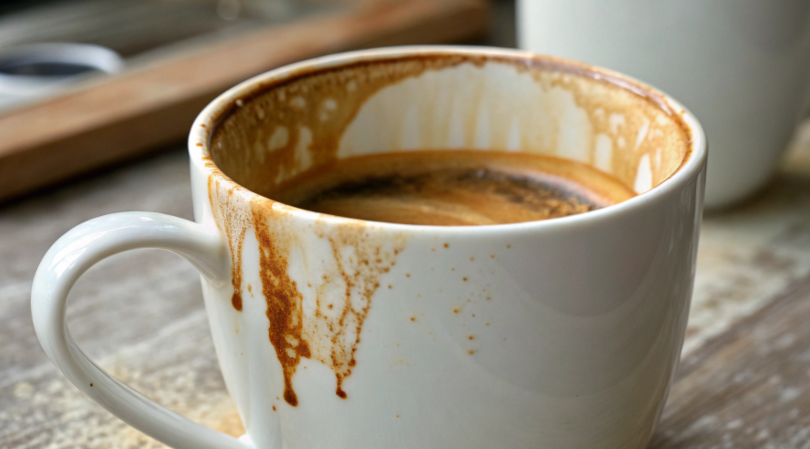
While I love ceramic mugs, especially for sublimation, we have to be honest about their weaknesses. First is their durability. Although they feel sturdy, stoneware and especially earthenware can chip if you knock them against the sink or drop them. Porcelain is tougher, but nothing is indestructible. The second issue is staining. I'm sure you have a mug in your cupboard with brown rings inside from coffee or tea. This happens because the glaze, while mostly non-porous, can have microscopic imperfections that trap pigments over time. Glass, being perfectly smooth, doesn't have this issue. Third, you might see "crazing," a network of tiny hairline cracks in the glaze that can appear over years of use and temperature changes. These cracks can harbor bacteria if not cleaned well. Finally, not all ceramic mugs are microwave-safe. Some glazes or decorative designs contain metallic elements that can cause sparks and damage your microwave. You always need to check the bottom for the microwave-safe symbol.
Which Mug Wins for Different Types of Drinks?
You drink hot coffee in the morning and iced tea in the afternoon. You wonder if using the right mug for each drink can actually make it taste and feel better.
Yes, the mug can enhance the drink. Use a ceramic mug for hot coffee and tea to keep them warm longer. Use a glass mug for iced drinks and lattes to showcase their visual appeal.
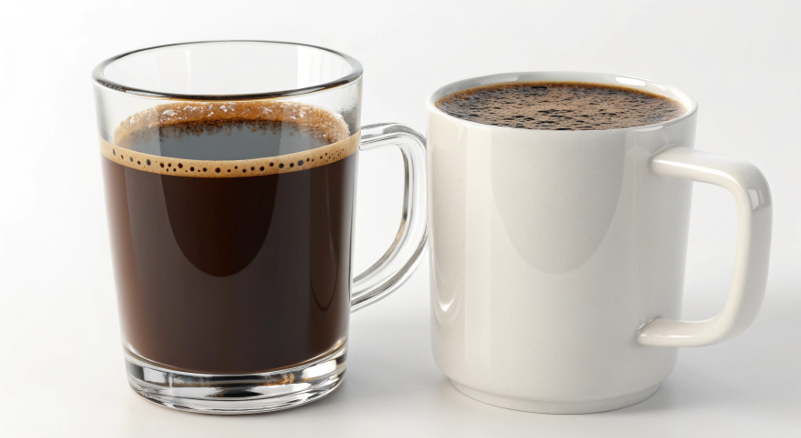
Matching the mug to the drink is a simple way to elevate your daily routine. Think of it like a chef choosing the right plate. Here's my guide based on what I've learned from customers and my own experience.
- For Hot Coffee & Hot Tea: Ceramic is the undisputed champion. A thick-walled stoneware mug retains heat, feels substantial, and provides that classic, comforting experience. The drink stays warm, and the handle stays cool.
- For Iced Coffee & Iced Tea: Glass is the winner here. The main appeal of an iced drink is its refreshing look—the clinking ice cubes, the rich color. A clear glass mug shows this off beautifully. It makes the drink look as good as it tastes.
- For Lattes & Layered Drinks: Cafes often use glass for a reason. When a barista creates a beautiful layered macchiato or latte, they want you to see their art. A glass mug turns your coffee break into a small visual treat.
- For Taste Purists: If your primary goal is the purest possible flavor with zero influence from the container, glass is technically superior due to its completely non-porous surface.
Conclusion
Choose ceramic for a cozy, warm drink experience and superior heat retention. Opt for glass when visual appeal and absolute taste purity are your top priorities, especially for cold or layered beverages.