You love your morning coffee, but have you ever thought about the mug itself? You want the best experience, but the choice between classic ceramic and sleek glass can be confusing.
Ceramic mugs are better for keeping drinks hot and offer superior durability and design options. Glass mugs provide a purer taste and allow you to appreciate your drink's color. The best choice depends on whether you value cozy heat retention or clean, visual aesthetics.
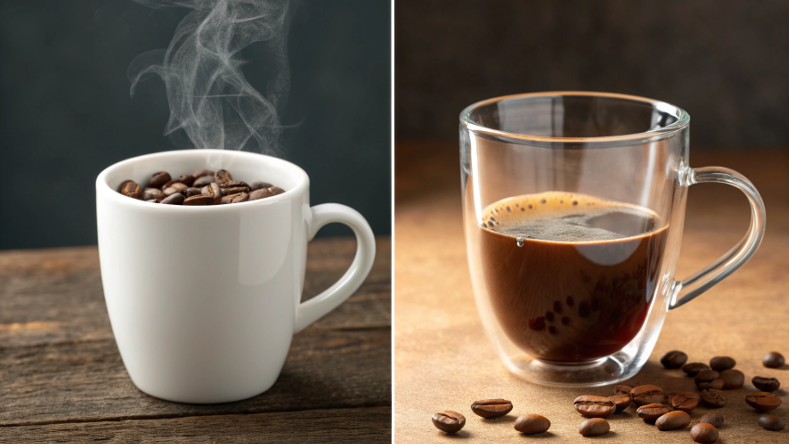
When I first started my custom printing business, I focused on ceramic. It's the industry standard for sublimation and everyone loves a classic mug. But then I had clients who wanted to print on glass for their upscale cafes or tea rooms. I had to source and test both materials extensively. I learned that the difference goes far beyond just looks. It affects the taste, the temperature, and the entire feeling of your daily ritual. Choosing the right one is key to creating a product people will love and use every day.
Are Glass or Ceramic Mugs Better?
Your morning coffee ritual is important. But does your mug make it better or worse? You wonder if you should stick with your trusty ceramic mug or switch to a modern glass one.
Ceramic mugs are generally better for daily, heavy use. They hold heat longer and are more resistant to cracks and chips from minor bumps. Glass mugs are better for the "purist" who wants to see their drink and taste it without any potential influence from the material.
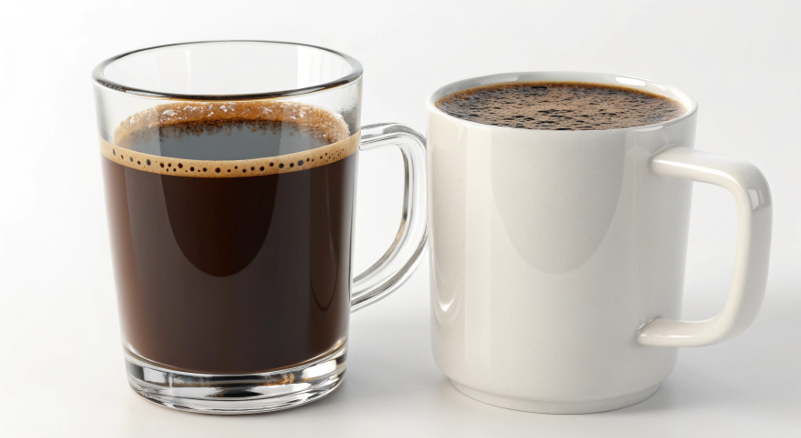
For my design clients like Emma, this is a core question. She needs to know which material best fits the brand she's designing for. A cozy, rustic coffee brand will almost always choose ceramic. The thick walls provide excellent insulation, keeping coffee at an ideal drinking temperature for longer. This slow-sipping experience is part of the appeal. They also feel substantial and comforting in your hands. On the other hand, a modern tea company that sells beautiful blooming teas would choose glass. The transparency is the entire point. It turns drinking tea into a visual experience. While glass can feel more fragile, high-quality borosilicate glass can be surprisingly durable, although it cools drinks faster unless it's a double-walled design.
Quick Comparison: Glass vs. Ceramic
| Feature | Ceramic Mug | Glass Mug |
|---|---|---|
| Heat Retention | Excellent | Fair (Good with double-wall) |
| Durability | Good (resists bumps) | Fair (can shatter easily) |
| Aesthetics | Classic, cozy, colorful | Modern, elegant, transparent |
| Taste Purity | Very Good | Excellent (completely inert) |
| Customization | Excellent for printing | Good (requires special process) |
What is the Healthiest Mug to Drink Out Of?
You hear horror stories about lead in old coffee mugs. You start to worry if your favorite mug is safe. You just want to enjoy your hot coffee without any health concerns.
Both 100% pure glass and modern ceramic mugs made with a lead-free glaze are perfectly healthy to drink from. Glass is naturally inert, giving it a slight edge for the most cautious. For ceramic, the key is to buy from reputable brands that follow safety laws.

This is a serious concern, and one I deal with directly in my business. The health risk with ceramic mugs doesn't come from the clay, but from the glaze that coats it. In the past, some glazes used lead to make colors brighter. However, today, the industry is heavily regulated. Every batch of mugs I import or manufacture has to be tested and certified as lead-safe and cadmium-safe by FDA standards. It's illegal to sell them otherwise. So, if you are buying a new mug from an established store, it is safe.
Glass is the simplest choice for anyone with anxiety about this. It's made from natural materials like sand and contains no lead. It's non-porous and doesn't have a glaze, so there is zero risk of anything leaching into your drink. My advice is simple: either choose glass or buy your ceramic mugs from a source you trust. Avoid using very old, chipped, or handmade mugs if you don't know who made them or when.
Is it Better to Drink from Glass or Ceramic?
Your specialty coffee tastes amazing, but does your mug affect the flavor? You want to get the full sensory experience, but you fear the material might be getting in the way.
Most coffee lovers prefer ceramic. Its thickness retains heat, allowing the flavor to develop as you sip. Glass offers a purer, more neutral taste but cools faster, which can cause the flavor of coffee to become more acidic as the temperature drops.

The choice affects the entire sensory experience. Ceramic mugs hold heat well, keeping your coffee in that "sweet spot" of temperature for longer. This stable warmth allows the complex flavors and aromas to unfold gradually. The opaque walls also force you to focus on the taste and smell, rather than the appearance. This is the classic, comforting coffee shop experience. It's about how the drink makes you feel.
Glass, on the other hand, is all about purity and clarity. Because glass is completely non-porous and inert, it does not interact with the coffee at all. You are tasting the drink, and only the drink. This is great for professional tasters or for enjoying a visually stunning drink like a layered macchiato. The downside is that standard glass mugs lose heat quickly. As coffee cools, its perceived acidity increases, which can make the last few sips less pleasant. Double-walled glass fixes the heat issue but can feel less connected and substantial than a solid ceramic mug.
What are the Disadvantages of Ceramic Mugs?
You love your collection of ceramic mugs. But then one gets a nasty chip, another has a permanent coffee stain inside, and they take up so much precious space in your cupboard.
The main disadvantages of ceramic mugs are their potential to chip or shatter when dropped, their porous nature which can lead to staining over time, and their heavy and bulky size. Low-quality ceramic mugs can also develop fine cracks in the glaze.
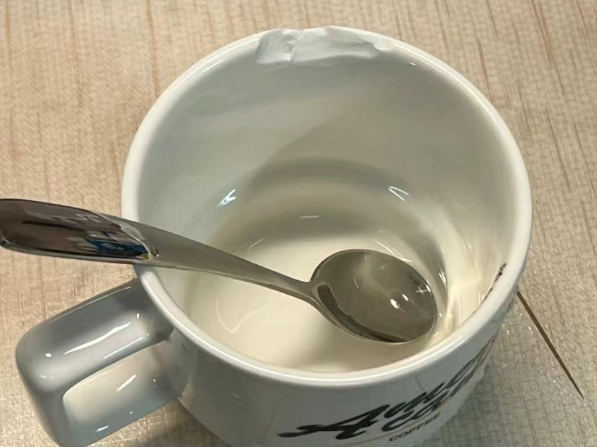
Even as a huge fan of ceramic, I have to be honest about its flaws. While they handle little bumps well, a drop onto a tile floor is usually the end of them. A chip on the rim can be sharp and can create a place for bacteria to hide. Another issue is staining. Even with a good glaze, the underlying material is porous. Over months of use, strong drinks like coffee and tea can find their way into microscopic imperfections and leave stubborn brown stains. Finally, there's "crazing." This is when a network of tiny, web-like cracks forms in the glaze. This is a sign of lower quality, where the glaze and the clay shrink at different rates. These cracks can also trap stains and bacteria. This is a quality control issue I always watch for when sourcing mugs for my clients.
Conclusion
Ceramic offers warmth, durability, and a cozy, traditional feel. Glass provides taste purity and visual elegance. Your perfect mug depends on what you value most: comforting heat retention or clean, modern aesthetics.