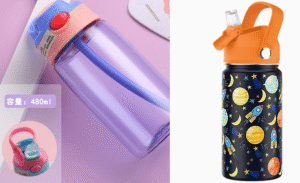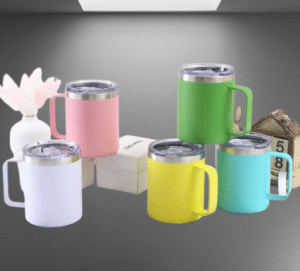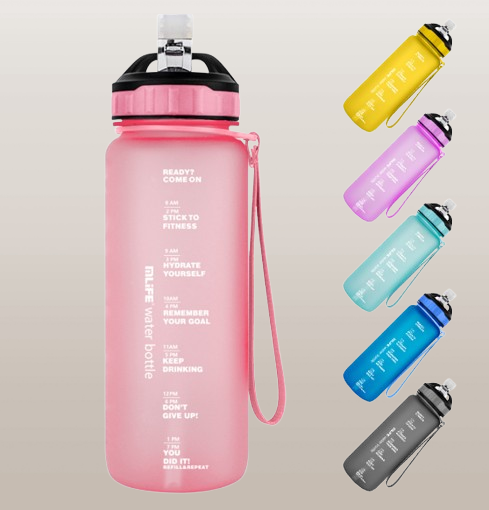
You made a fresh, hot coffee but need to leave now. You see an empty plastic water bottle on the counter and wonder if it's safe to use.
No, you should not put hot drinks in single-use plastic bottles (like those for soda or water). The heat can warp the plastic and cause harmful chemicals to leach into your drink. Only use reusable plastic bottles specifically marked as safe for hot liquids.
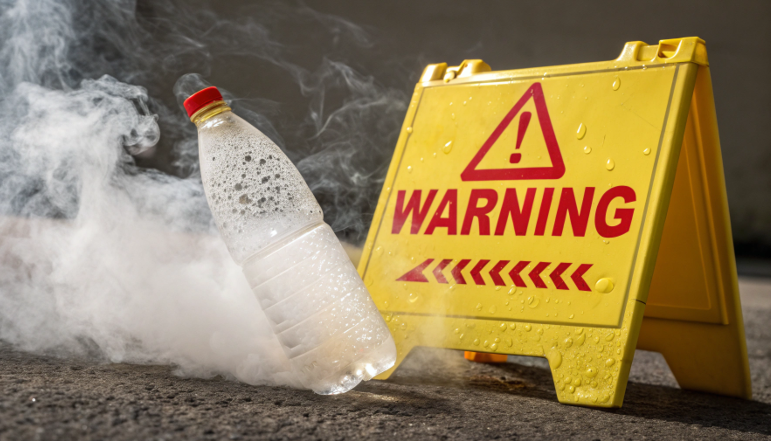
In my factory days, we learned very quickly which materials could handle heat. We used huge heat presses for sublimation, and if you used the wrong type of plastic, it would melt into a sticky mess in seconds. This visual always stuck with me. It’s a dramatic example of what happens on a smaller, invisible scale when you pour a hot drink into a bottle that wasn't designed for it. The plastic is breaking down, and you don't want those chemicals in your body.
Is it Safe to Put Hot Drinks in Plastic Bottles?
You are rushing out the door and your travel mug is dirty. You are tempted to pour your hot tea into a reusable plastic bottle but hesitate, wondering about safety.
It is only safe if the bottle is made from the right type of plastic. Materials like BPA-free polypropylene or Tritan are designed to withstand heat. Single-use bottles made from PET (Recycling #1) are not safe and should never be used for hot drinks.
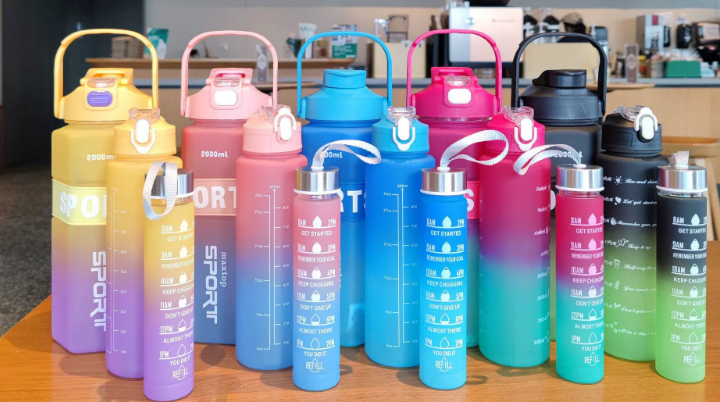
When I work with designers like Emma to create new drinkware lines, material safety is our first conversation. The allure of a lightweight plastic bottle is strong, but safety is non-negotiable. The problem with standard, single-use plastic bottles is a chemical called BPA (Bisphenol A) and other additives. When heated, the plastic structure loosens, making it much easier for these chemicals to "leach" or migrate out of the plastic and into your beverage. That's why you should never reuse a disposable water bottle for hot liquids. On the other hand, many high-quality reusable plastic bottles are now made specifically to be "BPA-Free" and heat-resistant. It's all about choosing the right tool for the job.
Hot Drink Safety: Plastic Types
| Plastic Type | Common Use | Safe for Hot Drinks? | Why? |
|---|---|---|---|
| PET (#1) | Single-use water/soda bottles | No | Warps easily; may leach chemicals. |
| Polypropylene (#5) | Reusable food containers | Yes | High melting point; stable when heated. |
| Tritan (#7) | Premium reusable bottles | Yes | Engineered for heat resistance and durability. |
Is it Bad to Put Hot Water in a Plastic Bottle?
You need hot water for making formula or tea later, and a plastic bottle seems convenient. Since it is just water, it feels harmless, but a doubt lingers in your mind.
Yes, it is bad to put hot water in a standard single-use plastic bottle. The heat accelerates the breakdown of the plastic, causing it to release harmful chemicals like antimony and phthalates into the water. This risk is present even if the bottle doesn’t visibly change shape.
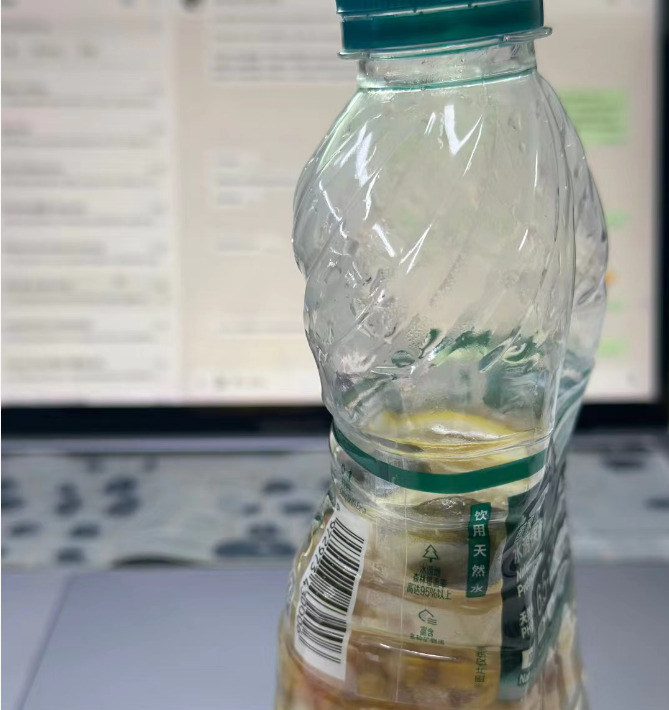
The danger here is that it's invisible. I’ve seen plastic sheets turn cloudy and brittle after being exposed to moderate heat over time in the factory. The same degradation happens in a water bottle, just slower. The heat acts as a catalyst. PET plastic bottles, the most common type for bottled water, are known to contain a chemical called antimony, which is used during the manufacturing process. Studies have shown that the hotter the water, the faster antimony leaches out of the plastic and into the water you're about to drink. So while the bottle might look fine, the water inside can become contaminated. It’s a risk that is simply not worth taking when safer alternatives like stainless steel or properly-rated reusable plastic bottles are available.
How Hot is Too Hot for Plastic Water Bottles?
You have a reusable plastic bottle and want to use it for coffee. You know it’s "hot safe," but how hot can you really go before it becomes a problem?
For single-use PET bottles, any temperature above 140°F (60°C) is too hot. For heat-resistant bottles made of Polypropylene (PP) or Tritan, they can often handle liquids up to boiling point at 212°F (100°C). However, you must always check the manufacturer’s specific temperature rating.
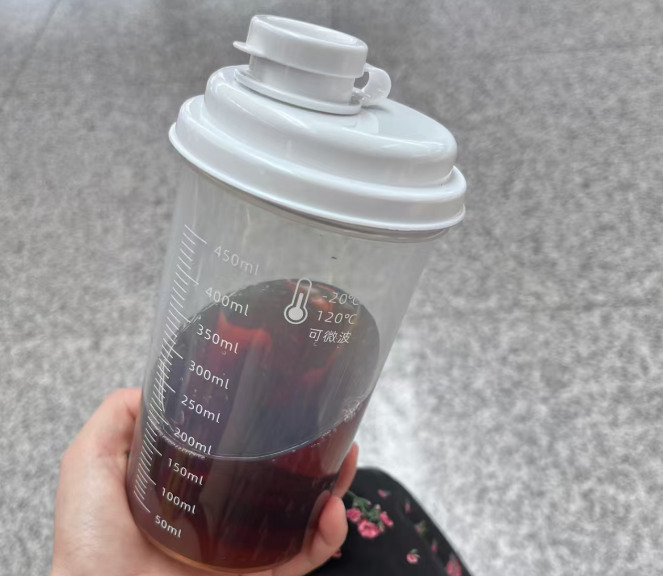
In the printing and manufacturing world, we live by technical data sheets. Every material has a specific "glass transition temperature," which is a fancy term for the point where it stops being a hard, rigid solid and starts to become soft and rubbery. For PET, that temperature is quite low. For specialized plastics, it's much higher. Think of it like this: leaving a cheap plastic toy in a hot car can make it warp, but the plastic on your car's dashboard is fine. They are different materials designed for different heat tolerances. When buying a reusable bottle for hot drinks, look for the maximum temperature in the product details. If the manufacturer doesn't state it's safe for hot liquids, assume it isn't.
Plastic Temperature Safety Guide
| Plastic ID | Material Name | Max Safe Temperature (Approx.) | Notes |
|---|---|---|---|
| #1 PETE | Polyethylene Terephthalate | 140°F / 60°C | Do not use for hot liquids. |
| #2 HDPE | High-Density Polyethylene | 160°F / 70°C | Not ideal for hot drinks. |
| #5 PP | Polypropylene | 212°F / 100°C | Good for hot liquids; check label. |
| #7 OTHER (Tritan) | Copolyester | 212°F / 100°C | Excellent for hot liquids; seek "Tritan" name. |
Which Plastic is Safe for Hot Drinks?
You are shopping online for a new bottle and want one that is lightweight but also safe for your morning coffee. What specific material names or numbers should you look for?
Look for reusable bottles made from Polypropylene (PP), which is Recycling #5, or Tritan, which is often found under Recycling #7. Crucially, ensure the product is explicitly labeled "BPA-Free" and "Hot-Liquid Safe" by the manufacturer.
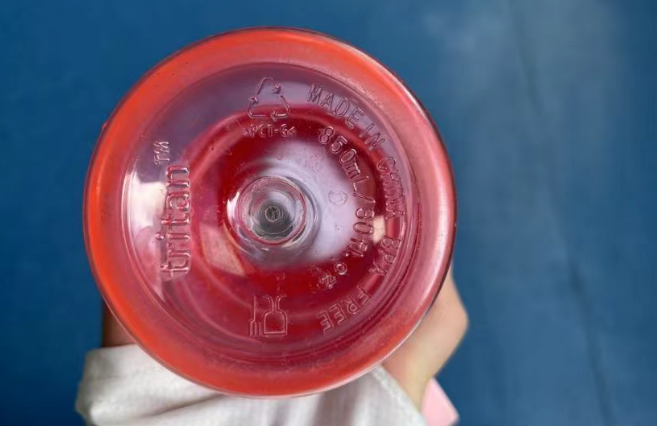
When guiding a brand through its first custom bottle order, I always stress the importance of clear material specifications. Polypropylene (#5) is a workhorse. It has a high melting point and is used for things like takeout soup containers and baby bottles, so it has a long track record of being safe with heat. Tritan (#7) is a newer, premium material that has become incredibly popular. It’s crystal clear like glass but also tough and shatter-proof, and it won't hold onto odors. The only tricky part with #7 is that it's a catch-all category for "OTHER" plastics. This is why you must look for the actual "Tritan" brand name on the product or packaging, not just the number 7. This ensures you're getting the high-quality, heat-safe copolyester, not some other unknown polymer.
Conclusion
For hot drinks, an insulated stainless steel bottle is your best choice. If you must use plastic, only choose a reusable bottle made from BPA-free Polypropylene (#5) or Tritan (#7) rated for hot liquids.