You see plastic bottles everywhere, but you hear so many mixed messages. This makes it hard to confidently develop a plastic drinkware line your customers will trust and love.
Yes, certain reusable plastic bottles are an excellent choice. High-quality, certified BPA-free plastics like Tritan offer a safe, lightweight, and durable alternative to glass and steel, making them ideal for many lifestyles.
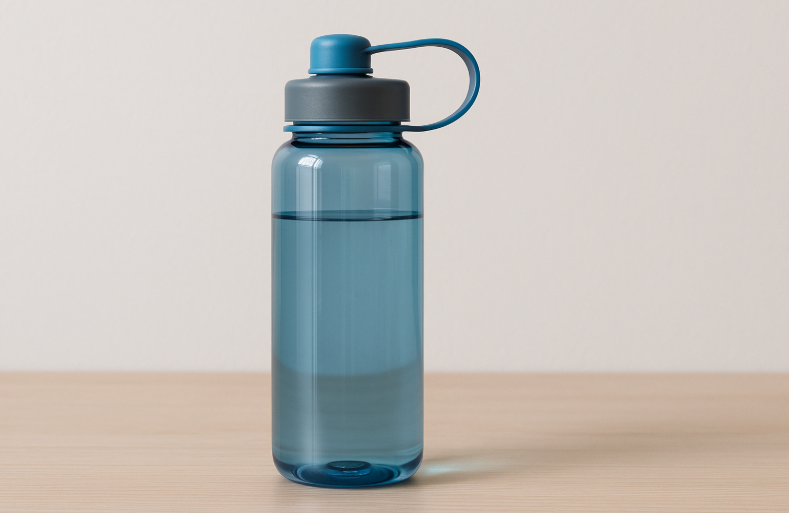
The word "plastic" has a bad reputation, and frankly, sometimes it deserves it. But as someone who has worked with advanced polymers for years, I can tell you that not all plastics are created equal. It's like comparing a flimsy shopping bag to a high-performance athletic fabric. For a product developer like you, understanding this distinction is the key. Knowing which plastics are safe, durable, and desirable unlocks a world of design possibilities that can lead to a bestselling product.
Which plastic water bottles are actually safe to reuse?
You know single-use PET bottles shouldn't be reused. This creates fear and uncertainty around all plastics, making it tough to market your reusable plastic products effectively and build customer trust.
The safest plastic bottles for reuse are made from certified BPA-free materials like Tritan copolyester or food-grade Polypropylene (PP). These modern plastics are engineered to be stable, durable, and non-leaching, ensuring the water inside stays pure.
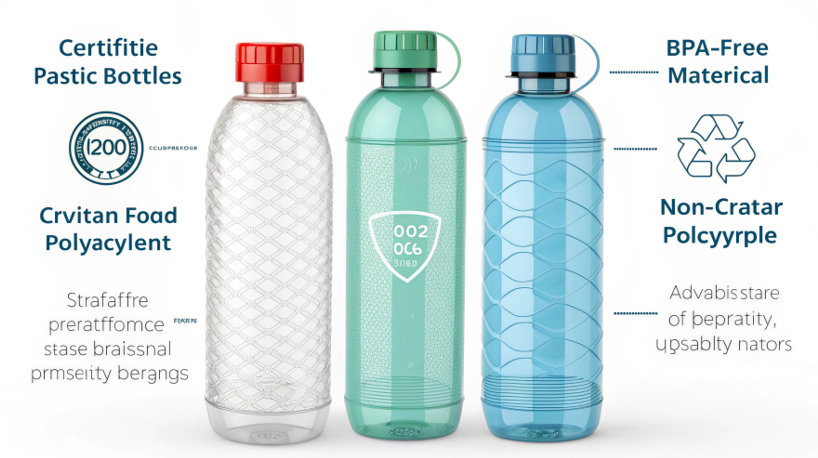
I remember a client who was hesitant to launch a plastic bottle line because of all the negative press. I walked them through the material science. We looked at the certifications from bodies like the FDA and CPSC. We weren't just picking a material; we were choosing safety and stability. They eventually launched a line of kids' bottles made from Tritan, and the response was fantastic because they could confidently tell parents, "This is tested, this is safe." That confidence starts with you, the developer, choosing the right material.
How to Identify Safe-to-Use Plastics
The key is to look for plastics specifically designed for reusability. They are fundamentally different from the polyethylene terephthalate (PET or PETE) used for disposable soda and water bottles.
Here are the heroes of the reusable plastic world:
- Tritan™ Copolyester: This is a top-tier material. It's famous for being as clear as glass but also incredibly tough and impact-resistant. Most importantly, it's completely BPA-free, BPS-free, and free of any other bisphenols. It doesn't hold onto odors and is often dishwasher safe, making it a favorite for premium water bottles.
- Polypropylene (PP - Recycling #5): You'll find PP used in everything from yogurt containers to rugged water bottle lids. It's a robust, heat-resistant, and cost-effective plastic that is also BPA-free. While often more opaque than Tritan, its durability makes it an excellent choice for lids and even some bottle bodies.
When developing your product, your sourcing partner must provide documentation for these materials.
| Certification | What It Means | Why It's Critical |
|---|---|---|
| FDA Approval | The material is deemed safe for direct contact with food/beverages. | This is the absolute baseline for any drinkware product. |
| BPA-Free | The material does not contain Bisphenol A, a known chemical. | This is a major consumer demand and a non-negotiable for trust. |
| CPSC Certified | Meets U.S. Consumer Product Safety Commission standards. | Especially important for children's products to ensure safety. |
What is the healthiest type of reusable water bottle?
You want to offer the absolute best for your customers. With so many material options—glass, steel, plastic—it’s confusing to know which one truly offers the most health benefits.
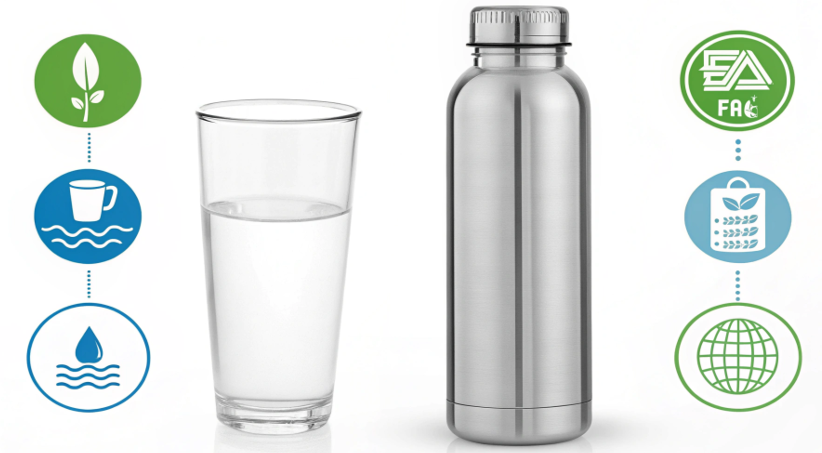
Glass is the purest and most inert material, offering zero taste transfer. However, for a balance of safety, durability, and practicality, high-quality stainless steel and certified BPA-free plastics like Tritan are equally healthy and often more user-friendly choices.
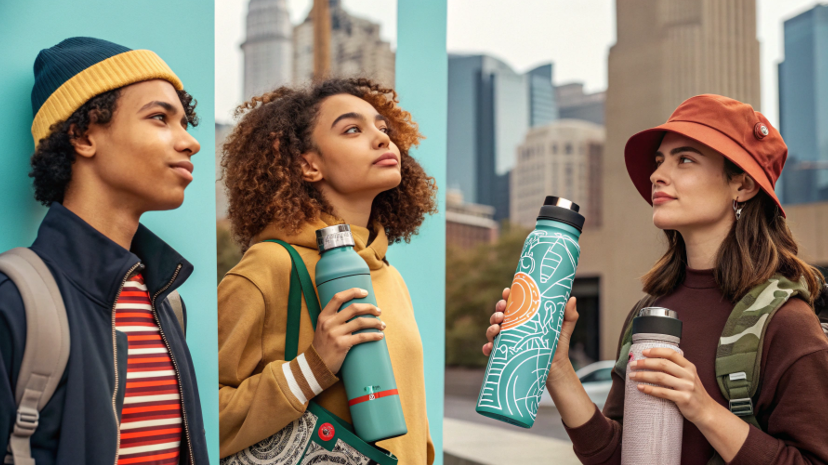
I was in a product meeting discussing color trends, and a young designer on my client's team said something that stuck with me: "The bottle has to pass the vibe check." For her and her friends, the bottle is a prop in their daily social media story. It's a statement piece. High-quality plastic bottles, with their huge range of color possibilities and lighter weight, are perfect for this. They can be produced in trendy colors more easily than steel, and they are light enough to be carried everywhere as part of an outfit.
Tapping into the Gen Z Mindset
For a developer, appealing to Gen Z means you are designing a personal accessory that also happens to hold water. Functionality is important, but aesthetics and cultural relevance are what drive viral success.
- Color as a Statement: Gen Z loves color. Plastic, especially Tritan, is fantastic for this. It allows for vibrant, translucent colors that are difficult or impossible to achieve with stainless steel. Limited-edition color drops create massive hype and a "collect them all" mentality.
- Lightweight for "On-the-Go" Life: This generation is highly mobile. A bottle they carry from class to the gym to a coffee shop needs to be lightweight. Plastic has a major advantage over the heavier steel and glass options here.
- A Canvas for Personalization: Plain bottles are boring. Young consumers want to make their bottle unique. Plastic surfaces are perfect for stickers. Designing bottles with charm loops or interchangeable silicone bands adds another layer of customization.
- Affordable Trend-Cycling: While some trends are expensive (like Stanley tumblers), Gen Z also loves accessible trends. Plastic bottles can often be produced at a lower price point, allowing young consumers to buy into a trend without a huge financial commitment. This makes them more likely to own multiple bottles in different colors and styles.
What is the lifespan of a reusable plastic water bottle?
You've designed a durable bottle, but customers are unsure how long it lasts. This ambiguity can hurt long-term trust. You need to provide clear guidelines on use and replacement.
A high-quality reusable plastic bottle made from Tritan can last for several years with proper care. Its lifespan ends when it shows signs of physical damage like cracks, deep scratches, or persistent odors that can't be washed away.
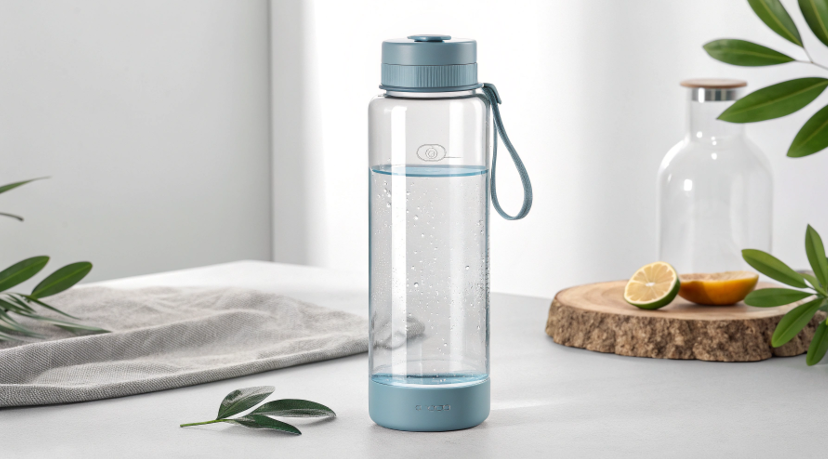
Think about a good pair of running shoes. You don't use them forever, even if they don't have a huge hole in them. You replace them when the support wears out. It's the same with a reusable bottle. I tell my partners to educate their customers on what to look for. A cheap, low-grade plastic bottle might cloud up or start to smell after just a few months. But a well-made Tritan bottle, treated with care, will provide years of safe service. Its end of life is determined by wear and tear, not a calendar date.
Signs It's Time for a New Bottle
Proper care is essential. Daily washing with soap and water prevents bacterial growth and odors. But even with the best care, physical wear happens over time. As a developer, you should communicate these end-of-life signs to your customers.
Here's a simple guide to help users know when to replace their plastic bottle:
| Sign of Wear | Why It's a Problem | What to Do |
|---|---|---|
| Visible Cracks | Even small hairline cracks can harbor bacteria and moisture, making them impossible to clean properly. They can also fail suddenly. | Replace the bottle. |
| Deep Scratches (Inside) | Scratches create rough surfaces where germs and biofilm can build up, resisting normal washing. | Replace the bottle. |
| Cloudiness/Discoloration | This can be a sign that the plastic is breaking down due to age, UV exposure, or harsh dishwasher detergents. | Replace the bottle. |
| Persistent Odor/Taste | If a deep clean with vinegar or baking soda doesn't remove a smell, it means the plastic has absorbed it permanently. | Replace the bottle. |
| Warping | If the bottle has been exposed to extreme heat and lost its shape, it may not seal properly anymore. | Replace the bottle. |
By being transparent about product lifespan, you build more trust than by pretending it lasts forever.
Conclusion
Modern reusable plastics like Tritan offer a safe, practical, and stylish choice. By choosing certified materials and designing for your customer's life, you can create a plastic bottle they'll trust and use daily.