You want the purest, safest way to drink water, but you're not sure which bottle to trust. The endless options and conflicting information about plastics can feel completely overwhelming.
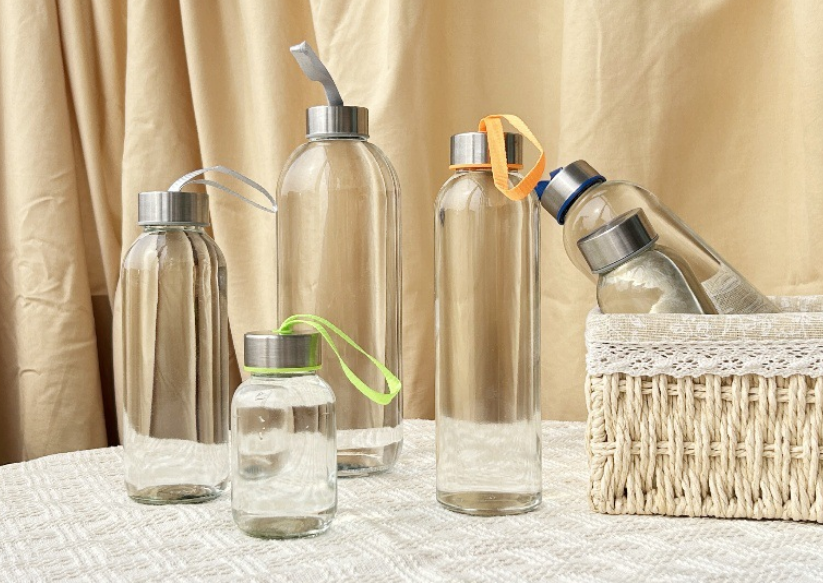
Glass water bottles are one of the healthiest choices due to their chemical inertness, which means they won't leach anything into your water or alter its taste. However, their main drawbacks are fragility and weight, making them less practical for all situations.

In my years in this business, I've seen trends come and go, but glass has always held a special place. It represents purity and quality. Today, as people become more aware of health and sustainability, glass is making a huge comeback. It’s no longer just a simple container; it’s a statement. Designers like Emma know that its clean look and premium feel appeal to a generation that values aesthetics as much as function. But as someone who started on the factory floor, I also know its limitations. We have to be honest about its practical side to help people make the best choice for their modern, busy lives.
What Are the Main Downsides of Using a Glass Water Bottle?
You love the clean look and taste of a glass bottle. But you're worried about it shattering in your bag or being too heavy to carry around all day.
The primary cons of glass water bottles are their fragility, making them prone to breaking if dropped; their heavy weight compared to plastic or steel; and their complete lack of insulation, meaning they won't keep drinks hot or cold.

When a client is developing a new product line, we have to talk about the real-world experience. The fantasy of a beautiful glass bottle can quickly meet the harsh reality of a busy commute. The first and most obvious issue is fragility. Glass can break. A simple drop from your desk or a bump in a crowded gym can turn your bottle into a dangerous mess. This is especially true with thermal shock—pouring boiling water into a cold glass bottle can cause it to crack instantly. Protective silicone sleeves help, but they don't make it indestructible. The second major downside is weight. Glass is dense. Carrying a full 32-ounce glass bottle is noticeably heavier than carrying a steel or Tritan equivalent. For someone designing for hikers or kids, this is a dealbreaker. Finally, glass has no insulating properties. Your cold drink will quickly become room temperature and the bottle will sweat all over your desk. While double-wall glass exists, it's even heavier and more fragile.
| Disadvantage | Description | Best Suited For |
|---|---|---|
| Fragility | Can shatter from drops or sudden temperature changes (thermal shock). | Low-impact environments like home or office. |
| Weight | Significantly heavier than plastic or stainless steel, especially when full. | Stationary use rather than travel or sports. |
| No Insulation | Does not keep beverages hot or cold; sweats with cold liquids. | Drinking room-temperature water. |
Is Drinking from a Glass Bottle Actually Safer for Your Health?
You see alarming headlines about chemicals leaching from plastic bottles. This makes you second-guess your daily habits and search for a truly safe, worry-free option for your family.
Yes, from a chemical perspective, glass is one of the safest materials you can drink from. It is non-porous and completely inert, meaning it contains no harmful chemicals like BPA or phthalates and won't leach anything into your water, no matter the temperature.

This is where glass truly shines, and it’s a point I always emphasize. The beauty of glass is its simplicity. It's made from natural materials like sand and doesn't need chemical liners or plasticizers. This makes it an "inert" material, which is a technical way of saying it doesn't react with its contents. You can fill a glass bottle with acidic lemon water or hot tea and be 100% confident that no unwanted chemicals are mixing into your drink. This is the peace of mind you don't always get with plastics. Furthermore, glass is non-porous. Its perfectly smooth surface doesn't harbor bacteria or absorb old flavors and smells. I'm sure you've had a plastic bottle that permanently smelled like old coffee—that just doesn't happen with glass. It can be washed completely clean every time, ensuring your water tastes like pure water and nothing else. For anyone prioritizing health above all else, glass sets the gold standard for purity and safety.
If Glass Is So Great, Why Did We Stop Using It for Everything?
You might remember milk delivered in glass bottles. You wonder why, if glass is so safe and pure, almost every beverage in the supermarket is now sold in plastic or cans.
We moved away from glass for mass distribution because it's heavy, fragile, and expensive to transport. Plastic is far lighter, more durable, and cheaper to produce and ship, making it the more practical and economic choice for single-use products.

The shift away from glass wasn't about the consumer experience; it was about industry logistics. I've worked with supply chains my whole career, and the numbers are clear. Imagine a truck full of soda. If the bottles are glass, a huge percentage of the fuel is used just to haul the weight of the packaging itself. Switching to lightweight plastic dramatically cuts shipping costs. Durability is the other huge factor. In a high-speed bottling plant or on a long-haul truck, accidents happen. A dropped pallet of glass bottles is a total loss and a dangerous cleanup job. A dropped pallet of plastic bottles just gets picked up and put back on the shelf. This resilience makes plastic far more efficient for the entire supply chain, from production to retail. So, while we, as consumers, are now choosing reusable glass bottles for their health and environmental benefits, the single-use industry continues to rely on plastic for its unmatched cost-effectiveness and practicality in a global market.
So, What's the Undisputed Healthiest Material for a Water Bottle?
You've weighed the pros and cons of glass. Now you want a final, clear ranking of the safest materials available so you can make a confident choice.
Glass is the healthiest material due to its absolute purity and inertness. Food-grade 18/8 stainless steel is an extremely close runner-up, offering nearly identical safety benefits but with the massive advantage of being durable and shatterproof.
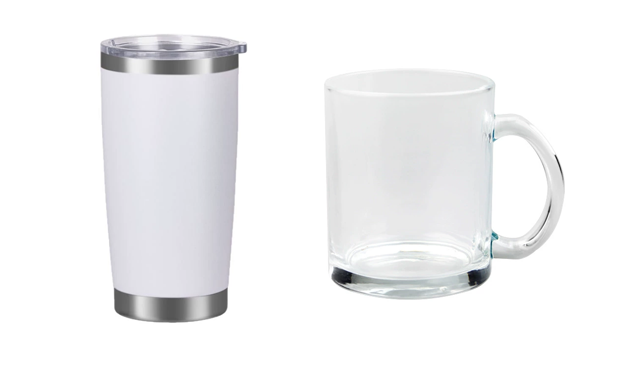
When I advise clients, I categorize the healthiest materials into tiers. At the very top, the gold standard, is glass. You simply cannot beat its purity. It will never leach, stain, or hold an odor. If your only concern is chemical safety and you're using it in a safe environment like your home or office, glass is the undisputed champion. Right alongside it in the top tier is food-grade stainless steel. It's also incredibly stable, won't leach chemicals, and doesn't require a liner. It provides the same peace of mind as glass but is tough enough to handle any adventure. It's the practical champion of health. In the second tier, you have high-quality, BPA-free plastics like Tritan. These materials have been rigorously tested and certified as safe for food contact. They offer a great lightweight and shatterproof alternative when weight is a top concern. The key is to stick with these top-tier, proven materials from reputable brands to ensure you're always drinking safely.
Conclusion
Glass is the purest choice for taste and health, ideal for home or office. But for active, daily use, its fragility and weight make durable stainless steel a safer and more practical choice.