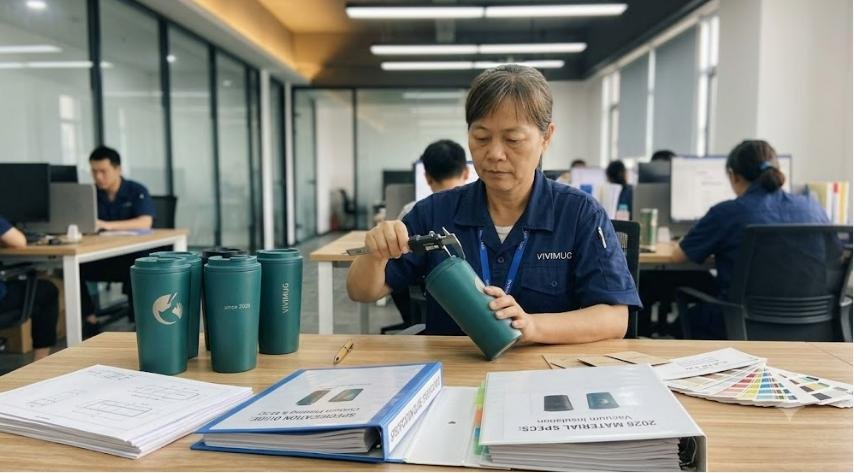
I've spent the last five years managing custom tumbler orders at Vivimug, and I can tell you — most first-time buyers make the same expensive mistakes. They focus on getting the lowest price per unit, then wonder why their 500-piece order arrives with colors that don't match, logos that peel off after three washes, or thermal performance that barely lasts an hour. The problem isn't bad luck. It's misunderstanding how printing methods, material specs, and MOQ structures lock you into quality outcomes before you even pay.
The biggest mistake? Treating custom tumblers like a commodity purchase where "stainless steel double-wall" means the same thing across all suppliers. It doesn't. What you specify in your first email determines whether you'll get a product you can actually resell — or a warehouse full of returns.
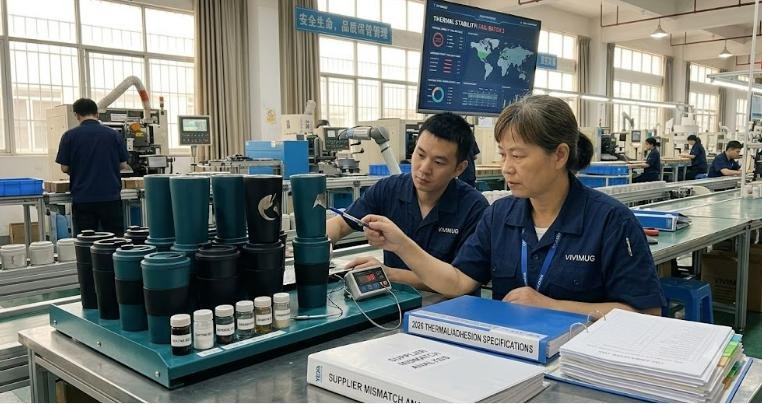
Here's what I see go wrong, and more importantly, how to avoid it.
Is buying a tumbler worth it?
Most e-commerce sellers ask this when they're deciding between buying generic tumblers with MOQ flexibility versus custom ones with branding lock-in.
Yes, but only if your order size matches the printing method economics. Below 500 units, laser engraving gives you the lowest per-unit setup cost. Above 1,000 units, screen printing drops your cost by 30-40%, but requires exact Pantone codes and can't do photorealistic images.
When buyers come to us saying "I want custom tumblers but only 200 pieces," they're often surprised that their unit cost is nearly double what they saw on Alibaba. That's because those cheap quotes assume screen printing at 3,000+ units. For smaller runs, laser or pad printing is the only option — and the math changes completely.
I once had a Shopify seller who wanted full-color beach sunset graphics on 300 tumblers. Screen printing would've required a 1,500-piece minimum just to break even on plate setup. We suggested sublimation printing instead, which worked for her quantity but cost $1.80 more per unit. She thought we were overcharging until she got quotes from three other suppliers — all said the same thing.
What are the benefits of using personalized tumblers?
Buyers usually ask this when they're deciding if custom printing justifies the 40-60% price increase over blank tumblers.
Personalized tumblers create brand recall that plain products can't match. When your logo sits on someone's desk for 8 hours daily, you get repeated exposure that a business card or flyer never achieves.
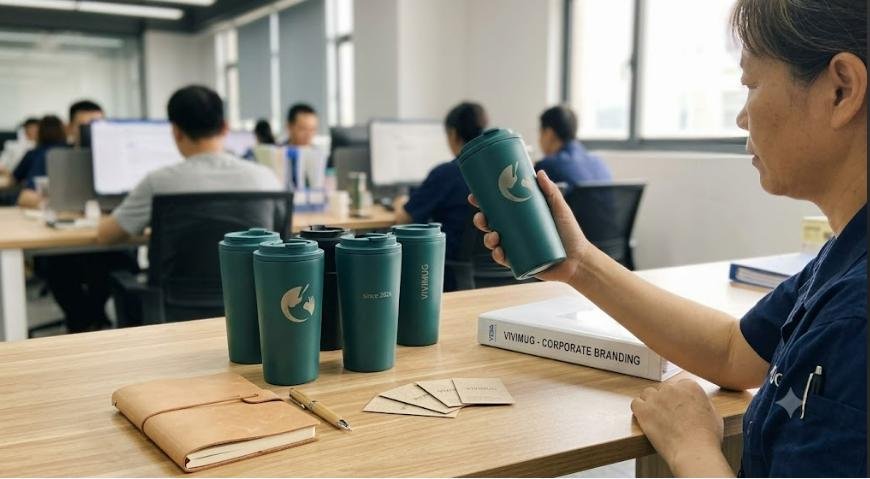
But here's what most first-time buyers miss: personalization value depends entirely on print durability. If your logo fades or peels after two months, you've actually created negative brand association.
We see this mistake constantly — buyers choose heat transfer printing because it's the cheapest option, then get complaints six weeks later that logos are cracking. Heat transfer works fine for giveaways or one-time events, but if you're selling retail or building long-term brand presence, you need laser engraving or screen printing with UV-resistant ink.
The benefit isn't just "having your logo on the tumbler." It's having your logo still readable after 100 dishwasher cycles.
What is the best material for a tumbler?
This question usually comes after a buyer received a "stainless steel" tumbler that sweats condensation or loses temperature in 90 minutes.
304 stainless steel with vacuum insulation is the baseline for any serious custom order. Anything labeled "double-wall" without specifying steel grade or vacuum seal is probably air-gap insulation — which performs 60% worse.
| Material Spec | Insulation Performance | Cost Difference | When to Use |
|---|---|---|---|
| 201 stainless (air-gap) | 3-4 hours cold | Baseline | Promotional giveaways |
| 304 stainless (vacuum) | 8-12 hours cold | +25% cost | Retail sales, corporate gifts |
| 304 stainless (copper-lined vacuum) | 18-24 hours cold | +45% cost | Premium product lines |
The biggest mistake I see is buyers who don't specify this upfront. They ask for "double-wall stainless steel tumbler" in their RFQ, get quoted $4.50 per unit, then receive samples that use 201 steel with air-gap insulation. When they complain, the supplier says "you didn't specify 304 or vacuum seal in your original request."
I always ask buyers now: What's your target customer expectation for how long drinks stay cold? If they say "all day," I know we need 304 vacuum. If they say "a few hours for an event," 201 air-gap is fine and saves them money.
Frequently Asked Questions
What's the minimum order quantity for custom tumblers?
MOQ isn't negotiable — it's determined by your printing method's setup cost. Laser engraving: 100-200 pieces. Screen printing: 1,000-1,500 pieces. Sublimation: 300-500 pieces. Asking to "do 200 units with screen printing" just means you'll pay the 1,000-unit setup fee spread across 200 pieces.
How do I make sure the colors match my logo?
Send Pantone codes, not RGB values or Instagram screenshots. Printing on curved metal can't reproduce screen colors. We need physical color standards. If you don't have Pantone codes, order a sample with your best guess, approve it in person, then reference that sample for production.
Can I mix different colors in one order?
Yes, but each new color adds a setup fee and raises your effective MOQ. If screen printing costs $800 setup per color, a 1,000-piece order with 4 colors means you're paying $3,200 in setup — suddenly your per-unit cost jumped $3.20. Most buyers do better with one or two colors.
What's the difference between laser engraving and screen printing?
Laser engraving removes the surface coating to expose bare metal — it's permanent but only works in one color (metallic). Screen printing applies colored ink on top of the coating — you get full color options but it can wear off if not UV-cured properly. Choose based on whether you need color or durability.
How long does production take?
After artwork approval: 15-20 days for laser engraving or pad printing, 25-30 days for screen printing (because plates need to be made and tested), 18-22 days for sublimation. Rush orders cost 30-50% more because we're displacing scheduled production. Plan ahead.
Conclusion
The nine mistakes I see most often — wrong printing method for your quantity, vague material specs, RGB color values instead of Pantone, ignoring MOQ economics, choosing heat transfer for long-term use, not testing samples before bulk production, mixing too many colors, unclear insulation requirements, and unrealistic lead times — all share one thing in common. They happen when buyers treat custom tumblers like commodity items instead of manufactured products where every spec decision has cost and quality consequences.
At Vivimug, we've learned to ask these questions upfront, not because we want to complicate your order, but because fixing mistakes after production starts is either impossible or expensive. If you're placing your first custom tumbler order, send us your logo, target quantity, and intended use — we'll tell you exactly which specs matter for your situation and which ones don't.